WHO
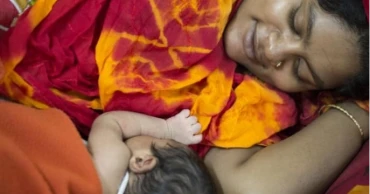
Bangladesh: WHO, UNICEF seek stronger breastfeeding support
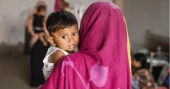
Every child has the right to the best possible start in life, and every mother deserves the support she needs to breastfeed successfully, said the World Health Organization (WHO) and UNICEF on Tuesday, calling for stronger action to protect, promote and support breastfeeding in Bangladesh.
In a joint statement, UNICEF Representative ad interim to Bangladesh Gillian Mellsop and WHO Representative to Bangladesh Dr Ahmed Jamsheed Mohamed said the two UN agencies remain committed to working closely with the Bangladesh government and partners to turn this vision into reality.
“Together, we will continue to strengthen health systems, empower families, and create an enabling environment where every mother can breastfeed and every child can survive, grow and thrive,” they said.
The UN agencies said breastfeeding provides every child with the healthiest and most sustainable start in life, supplying all the nutrients an infant needs during the first six months.
It also protects children against infectious diseases, strengthens the immune system, and supports healthy growth and brain development, they said.
For mothers, breastfeeding reduces the risk of non-communicable diseases, including breast and ovarian cancers and type 2 diabetes, while contributing to healthier families, stronger communities and more resilient societies.
Bangladesh faces a slowdown in progress on breastfeeding, according to new findings from the Bangladesh Multiple Indicator Cluster Survey (MICS) 2025.
The proportion of infants under six months who are exclusively breastfed declined from 62.6 percent in 2019 to 56.6 percent in 2025. Early initiation of breastfeeding within one hour of birth also fell sharply, from 46.6 percent to 30.4 percent during the same period.
“These findings underscore the urgent need to strengthen support for mothers and families to ensure that every child benefits from the best possible start in life,” the statement said.
The UN agencies noted that behind these figures are mothers who need greater support.
“While breastfeeding is a natural act, it is not always easy,” they said, adding that many mothers still lack the counselling, encouragement and practical support they need during pregnancy, childbirth and the postnatal period.
Many women return to work without adequate maternity protection or access to breastfeeding-friendly workplaces, while families continue to be exposed to inappropriate marketing of breast-milk substitutes, according to the statement.
“These barriers are often even greater in emergency and humanitarian settings,” it said.
The WHO and UNICEF said strong health systems, skilled health workers, effective community support, the Baby-Friendly Hospital Initiative, maternity protection, breastfeeding-friendly workplaces and full implementation of the International Code of Marketing of Breast-milk Substitutes have all been proven to improve breastfeeding outcomes.
They said every US$1 invested in breastfeeding generates an estimated US$59 in economic returns through lower healthcare costs, improved cognitive development, higher educational attainment and increased lifetime earnings.
“The challenge is not to reinvent solutions, but to scale up and sustain those that already work, ensuring that every mother receives the support she needs and every child can benefit from breastfeeding,” they said.
The UN agencies called on the government, private sector, development partners, health professionals, employers and communities to strengthen proven measures to support breastfeeding.
They stressed the need to ensure that every health worker has the knowledge and skills to protect, promote and support breastfeeding.
The Baby-Friendly Hospital Initiative should be expanded across public and private health facilities, backed by strong accountability mechanisms and community engagement, they said.
Working mothers also need stronger maternity protection, including paid leave, breastfeeding breaks and breastfeeding-friendly workplaces, according to the statement.
The agencies called for full enforcement of the International Code of Marketing of Breast-milk Substitutes, including measures to prevent inappropriate marketing through digital and social media.
Breastfeeding support should also be integrated into health, nutrition and social protection programmes so that every mother, particularly those in vulnerable situations, receives the support she needs.
The WHO and UNICEF also stressed the need for stronger data, monitoring and research to track progress and guide evidence-based action.
“Protecting, promoting and supporting breastfeeding is one of the smartest investments Bangladesh can make in its children,” they said, adding that “It saves lives, improves health and nutrition, strengthens learning and human capital, and contributes to sustainable development.”
1 month ago
Unsafe food kills 1.5 million people annually; children face highest risks: WHO
Unsafe food causes an estimated 1.5 million deaths worldwide every year, with young children bearing a disproportionate share of the burden, according to new findings released by the World Health Organization (WHO) ahead of World Food Safety Day next week.
The report, published on Wednesday, found that children under the age of five are especially vulnerable to foodborne diseases. Despite making up only nine per cent of the global population, they account for nearly one-third of all cases of food-related illnesses, many involving severe diarrhoeal diseases that can be fatal.
WHO also warned that exposure to harmful chemicals through contaminated food can have lasting consequences for children. Substances such as lead and methylmercury can impair brain development and lead to lifelong neurological and developmental disorders.
“Food safety is not an abstract issue – it affects every meal, every family and every day,” said WHO Director-General Tedros Adhanom Ghebreyesus.
He noted that while unsafe food has long been recognised as a major public health challenge, the new estimates reveal the full extent of its human and economic impact.
According to the study, bacteria, viruses and parasites in food caused around 860 million illnesses in 2021. However, chemical contamination was responsible for the majority of deaths linked to unsafe food.
WHO said chemical hazards accounted for 73 per cent of foodborne deaths that year. Inorganic arsenic and lead emerged as the most significant contributors, largely because long-term exposure raises the risk of cardiovascular diseases and cancer. Together, the two chemicals were associated with more than one million deaths in 2021.
Food contamination can occur through polluted water, improper food handling and environmental pollutants entering the food chain through industrial and other human activities. Once toxic substances such as arsenic, lead or methylmercury enter the food supply, removing them is often difficult or impossible.
The report highlighted major regional disparities, with Africa and Southeast Asia accounting for nearly three-quarters of all foodborne illnesses and 60 per cent of related deaths worldwide. Children and people living in low-resource settings face the highest risks due to weaknesses in food systems, healthcare services and sanitation.
Beyond its health consequences, unsafe food also imposes a significant economic burden. WHO estimates that foodborne diseases caused approximately $310 billion in productivity losses in 2021 because of missed work.
When adjusted for purchasing power differences across countries, the economic impact rises to about $647 billion.
Yuki Minato, a WHO technical officer for food safety and lead author of the study published in The Lancet Global Health, described the findings as both a warning and a guide for action.
She said foodborne diseases remain widespread and are being exacerbated by climate change, which increases contamination risks, and antimicrobial resistance, which makes infections more difficult to treat.
WHO said the findings can help governments strengthen food safety systems, improve disease surveillance and enhance coordination among health, agriculture and environmental sectors.
“Delay costs lives,” Minato cautioned.
3 months ago

WHO chief seeks to reassure Tenerife residents over hantavirus cruise ship arrival
The head of the World Health Organization (WHO) has moved to reassure residents of Spain’s Canary Island of Tenerife ahead of the expected arrival of a cruise ship carrying passengers exposed to hantavirus, saying the public health risk remains low.
The Dutch-flagged MV Hondius, carrying more than 140 passengers and crew, is en route to the Spanish island and is expected to arrive early Sunday. The vessel is believed to have been affected by a hantavirus outbreak during its voyage.
WHO Director-General Tedros Adhanom Ghebreyesus, along with Spain’s Health Minister Monica Garcia and Interior Minister Fernando Grande-Marlaska, is scheduled to travel to Tenerife on Saturday to oversee coordination of disembarkation procedures.
Concerns have been raised among some local residents who fear possible transmission of the virus, while some passengers have also expressed anxiety about their reception upon arrival.
“I know you are worried. I know that when you hear the word “outbreak” and watch a ship sail toward your shores, memories surface that none of us have fully put to rest. The pain of 2020 is still real, and I do not dismiss it for a single moment.,” Tedros said in a message to Tenerife residents.
“But I need you to hear me clearly: This is not another COVID. The current public health risk from hantavirus remains low. My colleagues and I have said this unequivocally, and I will say it again to you now,” he added.
According to health officials, three people have died and five passengers who left the ship have tested positive for hantavirus infection. The virus is typically transmitted through contact with contaminated rodent droppings and is not easily spread between humans, although rare person-to-person transmission has been linked to the Andes strain.
The WHO, Spanish authorities and the cruise operator Oceanwide stated that no one currently on board the vessel is showing symptoms. Tedros also said the WHO continues to monitor the situation and coordinate response measures, adding that the risk to both the Canary Islands and the wider world remains low.
4 months ago
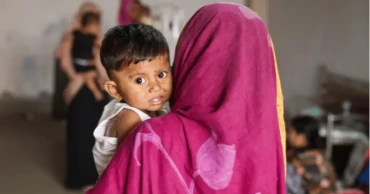
WHO urges urgent vaccination drive as measles risk remains high in Bangladesh
The World Health Organization (WHO) has called for immediate action to curb the ongoing measles outbreak in Bangladesh, warning that continued spread is likely without stronger surveillance, faster response systems, and improved vaccination coverage.
WHO recommended ensuring at least 95% coverage with both doses of the measles-containing vaccine across all municipalities alongside strengthening integrated surveillance systems to quickly detect suspected cases in public and private healthcare facilities.
Special emphasis has been placed on high-traffic border areas, where enhanced monitoring is needed to rapidly identify and respond to suspected infections.
The agency also stressed the importance of deploying trained rapid response teams and activating national protocols to contain imported cases and prevent the re-establishment of endemic transmission. Close coordination between national and local authorities is considered essential.
During outbreaks, WHO advisee strict hospital management measures, including isolating patients and minimizing contact with others to prevent in-hospital transmission.
Vaccination efforts should prioritise high-risk groups such as healthcare workers, transport and tourism staff, and international travelers.
The agency also recommended targeted immunization campaigns for migrant populations in border regions to boost overall immunity. Maintaining adequate vaccine stockpiles and ensuring access for vulnerable groups—including displaced and underserved populations—are also critical.
Despite the outbreak, WHO does not advise any travel or trade restrictions at this stage.
The agency has assessed the national risk as high due to ongoing transmission, a large number of susceptible children, immunity gaps, and suspected measles-related deaths. Most cases are among unvaccinated or partially vaccinated children, including infants too young for vaccination, raising concerns about severe outcomes and uninterrupted spread.
The outbreak marks a setback in Bangladesh’s earlier progress toward measles elimination and highlights growing vulnerability to sustained transmission. Cross-border movement further increases the risk, particularly through major urban hubs such as Dhaka, Chattogram, Sylhet, and Cox’s Bazar.
Measles remains a highly contagious disease and a leading cause of child mortality worldwide. In Bangladesh, the outbreak is driven by low immunity levels, with many affected children either unvaccinated or having received only one dose. Most cases—about 91%—are among children aged 1 to 14 years, indicating significant immunity gaps.
Although Bangladesh had previously achieved strong vaccination coverage and reduced measles incidence, recent vaccine shortages, gaps in routine immunization, and the lack of nationwide campaigns since 2020 have increased vulnerability.
Regionally, the risk remains high, with continued transmission across South-East Asia. Cross-border movement with India and Myanmar—where vaccination challenges and rising cases persist—further heightens the threat, particularly in border districts like Jashore and Chapainawabganj.
Globally, WHO rates the risk as moderate due to high population mobility and ongoing measles transmission worldwide, underscoring the need for sustained vigilance and immunization efforts.
4 months ago
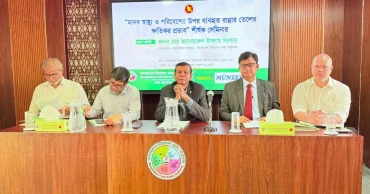
BFSA flags alarming trans fat levels despite regulations
Despite regulations to control harmful trans fatty acids in food the overall market situation remains alarming, said the Bangladesh Food Safety Authority (BFSA).
It raised the concern at a seminar titled “Harmful Effects of Used Cooking Oil on Human Health and the Environment” held on Monday at the BFSA seminar room.
The awareness seminar was jointly organised by BFSA and Munzer Bangla Private Limited. BFSA Chairman Anwarul Islam Sarkar and Martin Shestag, Project Manager (South Asia) of Munzer Bioindustrie GmbH, were present at the event.
According to BFSA, analysis of edible oil samples collected across the country in FY 2024–25 revealed widespread non-compliance with safety standards.
Test results showed that 7 out of 11 soybean oil samples (63%), 93 out of 95 dalda samples (97%), 26 out of 30 butter samples (86%), and 6 out of 14 margarine samples (42%) contained trans fatty acids above the permissible limit.
The authority said that under the Trans Fatty Acid Control Regulations 2021, the maximum allowable limit of trans fat is 2 percent (excluding naturally occurring trans fat), effective from December 31, 2022.
The regulation applies to all processed, packaged and prepared foods, and products cannot be labelled as ‘trans fat-free” or “zero trans fat’.
BFSA officials said inspections in hotels and restaurants frequently detect irregularities, particularly the repeated use of burnt cooking oil, which poses serious health risks.
As part of its ongoing efforts, BFSA collects used cooking oil from restaurants and conducts awareness campaigns through bulk SMS, posters and TV scroll messages, urging traders and consumers to avoid repeated use of cooking oil.
The authority follows internationally recognised testing methods for detecting trans fatty acids, including those approved by the World Health Organization (WHO), International Organization for Standardization (ISO), Association of Official Analytical Chemists (AOAC), American Oil Chemists’ Society (AOCS) and International Dairy Federation (IDF).
However, BFSA acknowledged several challenges, including limited laboratory capacity, shortage of skilled manpower, lack of chemical reagents and low public awareness.
In its presentation, Munzer Bioindustrie GmbH said cooking oil becomes hazardous when repeatedly heated at 180–200°C, leading to chemical changes that produce toxic compounds linked to heart disease, cancer and other chronic illnesses.
In Bangladesh, trans fat is mainly produced through two common practices: the use of partially hydrogenated oils (PHO), locally known as dalda or vanaspati, and the repeated reuse of cooking oil.
Another study revealed that PHO used in bakeries and restaurants can contain more than 10 percent trans fat, far above the WHO-recommended limit of 2 percent.
The presentation also noted that economic incentives drive many street food vendors and small traders to reuse cooking oil multiple times, degrading its quality and increasing toxic compound formation.
More than 100,000 tonnes of used cooking oil are generated annually, much of which re-enters the food chain illegally, posing a major public health risk.
Experts also highlighted household-level concerns, noting that used oil is often reused excessively, mixed with fresh oil, or disposed of through sinks and drains, contributing to environmental pollution and drainage blockages.
“Health does not begin in hospitals but in everyday life—especially in the kitchen,” said Ewald-Markus Munzer, Managing Director of Munzer.
Highlighting ongoing efforts, BFSA Deputy Director Ruhul Amin said the agency is expanding monitoring and awareness activities to control misuse of used cooking oil and improve food safety standards.
“During the last Ramadan, BFSA conducted 720 monitoring drives, inspecting different shops, hotels and restaurants. In many cases, business owners cooperated with us,” he said.
“We informed them how used oil can be properly disposed of, its optimal use, and that they can also receive financial benefits in return,” he added.
According to data presented at the event, Munzer Bioindustrie GmbH collects around 16 metric tonnes of used cooking oil annually.
However, between April and June 2023 alone, the company collected about 85 metric tonnes of burnt oil.
Officials said hotels and restaurants across the country have the potential to supply at least 100 metric tonnes of used oil, indicating significant opportunities for proper collection and recycling.
“To utilise this opportunity, we have brought together business owners, students and relevant stakeholders. Our goal is to raise awareness and build an effective supply chain so that used oil can be collected and reused properly,” a speaker said.
BFSA Member (Food Industry and Production) Professor Mohammad Shoeb also spoke at the event.
4 months ago
US officially leaves WHO, ending major global health role
The United States has formally withdrawn from the World Health Organization (WHO), removing itself as one of the UN agency’s largest donors and a key participant in global health initiatives.
The decision stems from an executive order signed by US President Donald Trump a year ago, after he repeatedly criticised the WHO for being overly “China-centric” during the Covid-19 pandemic. The US Department of Health and Human Services said the withdrawal was due to the WHO’s alleged mishandling of the pandemic, its inability to implement meaningful reforms, and political influence from certain member states.
WHO Director-General Tedros Adhanom Ghebreyesus rejected the US claims, saying the withdrawal is a “loss for both the United States and the world.” The organisation highlighted its global contributions, including efforts to eradicate polio, combat HIV and AIDS, reduce maternal mortality, and enforce its international treaty on tobacco control.
Following the pandemic, WHO member states worked on an international pandemic treaty to ensure fair sharing of vaccines and treatments and strengthen preparedness for future outbreaks. The treaty, finalised in April 2025, was agreed upon by all member states except the US.
Traditionally, the United States has been one of the largest financial contributors to the WHO, but Washington did not pay its membership fees for 2024 and 2025, causing significant job losses within the organisation. While WHO lawyers maintain that the US is obliged to pay the arrears—estimated at $260 million—Washington has refused, stating there is no reason to do so.
As part of the withdrawal, all US government funding to the WHO has been terminated, US personnel and contractors recalled from Geneva headquarters and offices worldwide, and hundreds of engagements with the agency have been suspended or discontinued. US Health Secretary Robert F. Kennedy and Secretary of State Marco Rubio said in a joint statement that the WHO “tarnished and trashed everything that America has done for it” and “abandoned its core mission,” acting against US interests. They added that future US engagement with the WHO will be limited strictly to safeguard the health and safety of Americans.
Officials noted that the US will continue disease surveillance and pathogen-sharing programs through bilateral relationships with other countries, but they did not specify which countries or partnerships have been established so far. In response to questions about US participation in global health initiatives like polio and HIV programmes, officials said partnerships would continue through NGOs and faith-based groups, though no specific arrangements have been disclosed. US engagement in global flu vaccine development and information-sharing remains uncertain.
After Trump signed the withdrawal order at the start of his second term, the WHO expressed hope that the US would reconsider, stating that “the WHO and the USA have saved countless lives and protected Americans and all people from health threats.” The agency said reconsideration would serve the “health and well-being of millions worldwide.”
The WHO confirmed on Friday that the US withdrawal would be discussed during its upcoming board meeting scheduled from February 2-7. Its secretariat said it will act according to the guidance provided by its governing bodies.
The US exit could remove nearly one-fifth of the WHO’s budget. The defunding and withdrawal come amid criticism of pandemic responses worldwide, including in highly developed countries like the US and the UK, where delays in imposing lockdowns and mask mandates contributed to rapid virus spread. Drew Altman, former US public health official, said the federal government’s inconsistent Covid-19 guidance, politicisation of policy, and failure to implement nationwide preventive measures contributed to one of the highest death rates in the world.
A 2020 study in the British Medical Journal accused the Trump administration of failing to provide national guidance and allowing state-level responses to diverge along political lines. Another research paper published in the UN National Library of Medicine labelled the US federal response as “slow and mismanaged.”
The US withdrawal marks a significant moment for global health governance, highlighting tensions between national interests and multilateral cooperation in pandemic preparedness and response.
With inputs from BBC
7 months ago
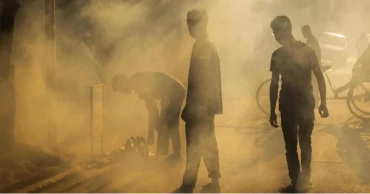
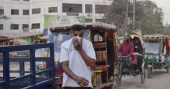
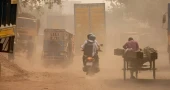
Dhaka's air quality remains ‘very unhealthy’
Dhaka, the densely populated capital of Bangladesh, ranked fourth among the world’s most polluted cities on Thursday morning (January 22, 2026), recording an Air Quality Index (AQI) of 240 at 9:23 am.
Today, the city’s air was classified as ‘very unhealthy’, indicating a serious health threat, according to the AQI report.
Read more: Bicycling could cut emissions in Global South with policy support: Study
Lahore in Pakistan, Delhi in India, and Sarajevo in Bosnia and Herzegovina occupied the first, second, and third spots on the list, with AQI scores of 368, 317, and 265 respectively.
According to the AQI scale, a reading between 50 and 100 is considered ‘moderate’, with generally acceptable air quality, though sensitive individuals should limit prolonged outdoor exertion. AQI levels of 101–150 are ‘unhealthy for sensitive groups’, 151–200 is ‘unhealthy’, 201–300 is ‘very unhealthy’, and readings above 301 are considered ‘hazardous’, posing severe health risks.
The AQI, which reports daily air quality, informs residents how clean or polluted the air is and highlights potential health effects. In Bangladesh, the AQI is calculated based on five key pollutants: particulate matter (PM10 and PM2.5), nitrogen dioxide (NO2), carbon monoxide (CO), sulfur dioxide (SO2), and ozone.
Dhaka's air quality remains ‘very unhealthy’
Dhaka has long struggled with air pollution. Air quality usually deteriorates in winter and improves during the monsoon season.
The World Health Organization (WHO) estimates that air pollution causes about seven million deaths worldwide each year, primarily from stroke, heart disease, chronic obstructive pulmonary disease, lung cancer, and acute respiratory infections.
7 months ago
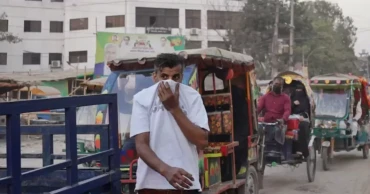
Dhaka's air quality remains ‘very unhealthy’
Dhaka, the densely populated capital of Bangladesh, ranked second among the world’s most polluted cities on Wednesday morning (January 21, 2026), recording an Air Quality Index (AQI) of 296 at 9:40 am.
Today, the city’s air was classified as ‘very unhealthy’, indicating a serious health threat, according to the AQI report.
Read more: How to Reduce Air Pollution in Bangladesh?
Lahore in Pakistan, Delhi in India, and Kolkata in India occupied the first, third, and fourth spots on the list, with AQI scores of 324, 293, and 232 respectively.
According to the AQI scale, a reading between 50 and 100 is considered ‘moderate’, with generally acceptable air quality, though sensitive individuals should limit prolonged outdoor exertion. AQI levels of 101–150 are ‘unhealthy for sensitive groups’, 151–200 is ‘unhealthy’, 201–300 is ‘very unhealthy’, and readings above 301 are considered ‘hazardous’, posing severe health risks.
The AQI, which reports daily air quality, informs residents how clean or polluted the air is and highlights potential health effects. In Bangladesh, the AQI is calculated based on five key pollutants: particulate matter (PM10 and PM2.5), nitrogen dioxide (NO2), carbon monoxide (CO), sulfur dioxide (SO2), and ozone.
Dhaka's air quality remains ‘very unhealthy’
Dhaka has long struggled with air pollution. Air quality usually deteriorates in winter and improves during the monsoon season.
The World Health Organization (WHO) estimates that air pollution causes about seven million deaths worldwide each year, primarily from stroke, heart disease, chronic obstructive pulmonary disease, lung cancer, and acute respiratory infections.
7 months ago
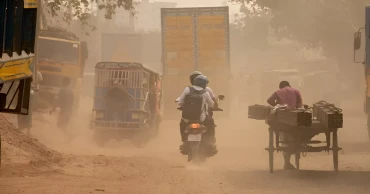
Dhaka's air quality remains ‘very unhealthy’
Dhaka, the densely populated capital of Bangladesh, ranked third among the world’s most polluted cities on tuesday morning, recording an Air Quality Index (AQI) of 296 at 9:02 am.
Today (January 20, 2026), the city’s air was classified as ‘very unhealthy’, indicating a serious health threat, according to the AQI report.
Read more: Weather likely to remain unchanged: BMD
Lahore in Pakistan, Delhi in India, and Kolkata in India occupied the first, second, and fourth spots on the list, with AQI scores of 558, 450, and 284 respectively.
According to the AQI scale, a reading between 50 and 100 is considered ‘moderate’, with generally acceptable air quality, though sensitive individuals should limit prolonged outdoor exertion. AQI levels of 101–150 are ‘unhealthy for sensitive groups’, 151–200 is ‘unhealthy’, 201–300 is ‘very unhealthy’, and readings above 301 are considered ‘hazardous’, posing severe health risks.
The AQI, which reports daily air quality, informs residents how clean or polluted the air is and highlights potential health effects. In Bangladesh, the AQI is calculated based on five key pollutants: particulate matter (PM10 and PM2.5), nitrogen dioxide (NO2), carbon monoxide (CO), sulfur dioxide (SO2), and ozone.
Dhaka has long struggled with air pollution. Air quality usually deteriorates in winter and improves during the monsoon season.
Read more: Dhaka's air quality remains ‘very unhealthy’
The World Health Organization (WHO) estimates that air pollution causes about seven million deaths worldwide each year, primarily from stroke, heart disease, chronic obstructive pulmonary disease, lung cancer, and acute respiratory infections.
7 months ago
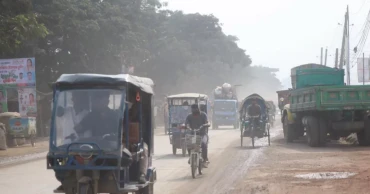
Dhaka 3rd most polluted city in the world this morning
Dhaka ranked third on the list of cities worldwide with the worst air quality with an AQI score of 251 at 9:00 am on Tuesday morning (December 02).
Dhaka’s air was classified as 'very unhealthy', according to the air quality and pollution city ranking.
India's Delhi and Kolkata and Pakistan’s Lahore occupied the first, second and fourth spots in the list, with AQI scores of 396, 269 and 200, respectively.
Read more: Dhaka’s air quality 7th worst this morning
An AQI between 151 and 200 is considered 'unhealthy' while 201-300 is 'very unhealthy' and 301-400 is considered 'hazardous', posing severe health risks to residents.
The AQI, an index for reporting daily air quality, informs people how clean or polluted the air of a certain city is and what associated health effects might be a concern for them.
The AQI in Bangladesh is based on five pollutants: particulate matter (PM10 and PM2.5), NO2, CO, SO2, and ozone.
Dhaka has long been grappling with air pollution issues. Its air quality usually turns unhealthy in winter and improves during the monsoon.
Read more: How to Reduce Air Pollution in Bangladesh?
9 months ago