Food
Mouthfeel joins flavor as food makers focus on texture
Crunchy, chewy and creamy textures are becoming increasingly important in the food and beverage industry, with companies paying more attention to how food feels in the mouth, not just how it tastes.
For many consumers, the texture of a snack or drink has become almost as important as its flavor. Industry experts say people may not always realize it, but texture can influence cravings for crispier takeout, foamier coffee and juicier candy.
The focus on “mouthfeel” a food science term describing how food feels in the mouth has led to new products such as Starbucks’ Aerocano, an air-whipped iced espresso; PowerCrunch, a wafer-style protein bar; and Trolli Gummi Popz, which are frozen but remain soft and chewy.
Belgian ingredient maker Puratos says texture has grown from being a secondary feature to an important part of food quality, influencing how consumers judge products and decide what to buy.
The trend is spreading worldwide. Stretchy yogurt is becoming popular in China, while Swedish candy maker Cloetta has introduced Sprinkled Foamies, featuring a crunchy coating and marshmallow center. Parisian bakers are also experimenting with pastries such as the crookie, which combines a crispy croissant with a soft chocolate chip cookie.
“It’s not just about flavor anymore. People are thinking about the whole experience,” said Tana Davila, chief marketing officer at Dutch Bros Coffee.
The US drive-thru chain allows customers to add toppings such as sweet whipped foam and juice-filled balls that burst when bitten.
Texture has long shaped eating habits
Texture is such an important part of eating that people often describe how food feels when asked about its taste, said Patrick Kalotis, executive vice president of texture and healthful solutions at Illinois-based ingredient company Ingredion.
People may say a drink is fizzy or yogurt is creamy, he said, even though they believe they are describing taste. In reality, they are describing texture, which also affects how they experience flavor.
Food makers have experimented with texture for centuries. Japanese mochi and Turkish ice cream are traditional examples of soft and stretchy foods. Bubble tea, with its chewy tapioca pearls, was created in Taiwan in the 1980s. In the 1990s, high-end European restaurants popularized airy foams flavored with ingredients such as truffle oil and lobster broth.
Interest in texture has grown sharply in recent years, said Jenny Zegler, principal strategist for food and drink at market research company Mintel.
The trend can also be seen outside food, including squishy toys and jelly-based beauty products. Mintel data show growing online demand for food described as chewy, soft, gooey and melt-in-the-mouth.
Zegler believes the popularity of the Cronut, a doughnut-shaped pastry combining a crispy fried exterior with a light, buttery croissant-like interior, helped spark greater interest in food textures about a decade ago.
Products with multiple layers, such as Dubai chocolate, and social media videos featuring the sounds of cracking brittle or slurping noodles have further fueled the trend.
“Consumers are gaining new expectations for the experience of a product, and texture is the perfect way to deliver that,” Zegler said.
Pandemic helped drive candy innovation
The coronavirus pandemic also increased interest in texture because many people temporarily lost their sense of taste and smell, said Shannon Weiner, senior director of consumer insights at candy maker Ferrara.
In 2020, the Chicago-based company introduced Nerds Gummy Clusters, a round gummy covered in crunchy Nerds candy.
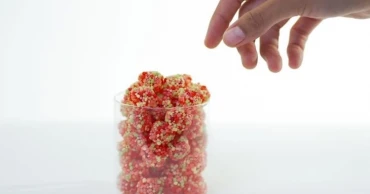
The product's success encouraged other texture-focused candy products, including crispy freeze-dried Skittles. Gummi Popz, chewy squares filled with fizzy candy, went on sale earlier this year, while Ferrara-owned Brach’s plans to introduce jelly beans with crunchy outer shells for next Easter.
Weiner said combining different textures creates contrast, making people feel that a product is more enjoyable and high-quality. It can also encourage consumers to pay more attention to what they are eating.
In a world where people often snack while scrolling through their phones or doing other activities, texture can provide an extra sensory experience, she said.
Delivery and healthier foods add new challenges
The growing demand for particular textures is creating new challenges for food companies. McDonald’s, which introduced McCrispy chicken strips in May 2025, changed their recipe this year after customers complained that the strips were not crispy enough.
The growth of food delivery has also forced restaurants to find ways to keep food at the right texture during transportation, Kalotis said.
Ingredion has developed potato starch-based coatings that can keep french fries crispy for about 30 minutes and is working to extend that period to 45 minutes.
Food manufacturers are also trying to make products healthier or cheaper without changing the textures customers expect. Ingredion, for example, produces ingredients that help keep reduced-sugar yogurt creamy.
Zegler expects further innovation in food texture, including products designed around the needs of different groups, such as older consumers. She also expects snacks to include increasingly complex layers.
Ferrara introduced Nerds Juicy Gummy Clusters last year, adding a liquid center to the original two-layer candy.
Meanwhile, Kalotis said food companies should do more to show and explain texture on product packaging. Mintel found that 59% of packaged foods introduced in the United States this year did not include any texture-related claims on their labels, even though consumers are actively looking for products with new physical characteristics.
“In a lot of ways, texture is one of the most powerful and yet somehow underrated parts of the food experience,” Kalotis said. “It makes a snack more satisfying.”
1 month ago
Italy turns invasive blue crab crisis into export opportunity
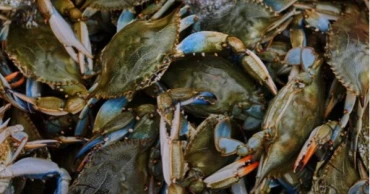
Italian fishermen are trying to turn an environmental disaster into a business opportunity as they find new markets for invasive Atlantic blue crabs that have devastated clam and mussel farms in the Po River Delta.
For two years, most of the crabs caught by fishermen were incinerated because Italians showed little interest in eating the species, which is blamed for destroying large numbers of prized Manila clams.
But the strategy is now changing. Instead of destroying the crabs, fishermen are exporting them, helping some communities recover from huge financial losses caused by the invasion.
The Polesine Fishermen's Cooperative Consortium saw its revenue fall by 75% to 15 million euros ($17 million) in 2024 and 2025. Its active membership also dropped from 1,500 to 850.
“We needed to change strategy and create an opportunity from this disaster,” said Paolo Mancin, president of the cooperative.
The new approach appears to be paying off. The consortium has sold every blue crab it has caught so far this year, eliminating the need to incinerate them. It expects revenue to reach 20 million euros ($23 million) this year, with crab sales accounting for most of the income.
“Since we're going to have to live with these crabs, I hope they become an opportunity,” said fisherman Federico Zago. “I hope the market continues to grow.”
The Atlantic blue crab has been present in the Adriatic Sea since at least the 1940s, likely arriving in ships' ballast water. However, its population remained relatively limited until 2023.
Then its numbers surged dramatically. The crabs damaged fishing nets, consumed large numbers of mollusks and pushed aside the native green crab, a popular local delicacy.
Experts say climate change helped create favourable conditions for the species. Rising water temperatures supported reproduction, while drought lowered water levels in the Po River, allowing more seawater to enter freshwater areas.
The changing water conditions created an ideal environment for blue crabs, especially in lagoons and deltas where clam and mussel farms provided an abundant food supply.
Italy launched an eradication programme in 2024 and paid fishermen to catch and incinerate the crabs. Over two years, the Polesine cooperative alone collected and destroyed nearly 2.3 million kilograms of blue crabs.
But the programme had little impact because female blue crabs can produce up to 8 million eggs in a season. The government has since shelved the eradication effort.
Scientists are also testing other ways to control the population. This summer, researchers at the University of Bologna released 150,000 baby octopuses into the Adriatic Sea, hoping they would prey on the crabs.
However, experts remain doubtful that predators alone can control an animal with such a high reproductive rate.
Meanwhile, fishermen are increasingly relying on exports.
Every morning, fishermen unload large crates of live blue crabs, which are later steamed, frozen and packed for shipment to Sri Lanka. There, workers process the crab meat by hand before it is exported to other markets.
The joint venture between Sri Lankan company Taprobane Seafoods and the Scardovari consortium produces several crab products, including claw meat, mixed meat and fillets. Only a small portion is currently returning to Italy.
Still, blue crab remains far less profitable than the clam industry. Fishermen receive about 1.30 euros per kilogram for crab, compared with around 10 euros per kilogram for clams, which once generated about 90% of their income.
Efforts are also underway to persuade Italians to eat the invasive crab.
Most restaurants around Venice still avoid blue crab, partly because of the work needed to prepare it and its negative reputation.
But the Yogi restaurant and bar in Porto Tolle, near the Po Delta, has fully embraced it.
Owner and chef Stefania Marchesini, a former professional fisherwoman, now offers an all-crab menu featuring fried crab balls, creamed crab with polenta, soft-shell crab and other dishes.
“At first, the customer is very skeptical. But then the reaction is completely positive, and they want to try the entire range of products,” she said.
Marchesini is also processing blue crab for sale to other restaurants, although demand has remained limited.
Despite the resistance, she believes attitudes will gradually change.
“We are all angry because it invaded our seas,” Marchesini said. “But we also have to eat. Once people understand how it should be prepared, they will realize it is an excellent product.”
1 month ago
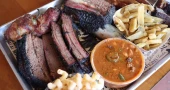
Texas barbecue is getting a halal makeover
At 9 a.m. on a scorching Saturday in June, nearly 100 people were already lined up outside Goldee’s BBQ, a small, wooden-shack restaurant.
First in line was 30-year-old Thanh Huynh, who had been sitting in a lawn chair on the joint’s rustic porch since 6:30 a.m.
“I have, like, a whole list, and I’m going to spend lots of money here. It’ll be worth it,” he said, laughing while rattling off a long order of meats and sides from his phone’s Notes app as a sweet, smoky scent from nearby pits hung in the air.
Opened in 2020 by a group of his friends, the restaurant was named the No. 1 barbecue spot in the state by Texas Monthly a year later, and then won a Bib Gourmand award from the prestigious Michelin Guide, given for “great food at a great value.”
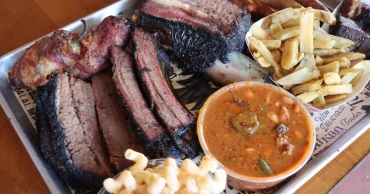
The restaurant serves classic Texas barbecue like craft pork belly, sausage and ribs. But it also offers halal brisket, turkey and lamb — meat raised and butchered in accordance with Islamic guidelines.
At a time when Republican leaders are increasingly targeting the state’s growing Muslim communities, halal barbecue joints like Goldee’s are thriving in Texas. Across the state, Muslim pitmasters are gaining recognition for putting their own spin on one of Texas’ most iconic culinary traditions.
At least a dozen barbecue spots now serve halal meats, including Yearby’s Barbecue & Waterice, run by Black Muslim couple CJ and Sabrina Henley, soon-to-be in Plano, and Levant Mediterranean BBQ, a restaurant with locations in Houston and Frisco and whose all-beef menu includes a brisket shawarma sandwich.
“Now there are so many options, and for us to have highly rated barbecue, it’s a blessing,” said Haris Ghaffar, who drove an hour from Celina and stood in 90-degree weather for nearly two hours with a friend for the halal options at Goldee’s.
Growing up in the 1990s, Ghaffar said a McDonald’s Filet-O-Fish sandwich was one of the few halal meals he could eat while dining out. Back then, halal food was seen as serving a small community. Today, it’s a multibillion-dollar industry that’s part of the American culinary mainstream, said James Beard Award‑winning food writer Farhan Mustafa, who wrote about the rise of American halal barbecue for Bon Appétit magazine in 2025.
“Halal food is American food,” said Mustafa, who is based in Seattle. “It belongs on your plate. It belongs in the casual chat. It belongs in hip hop tracks. It’s the most American thing there is.”
Mustafa said Muslims are part of a growing list of communities putting their stamp on Texas barbecue. “Whether they’re first, second or third-generation Muslims or Muslim Americans or just Americans, they’re bringing what they know and what excites them,” he said.
Texas barbecue is typically defined by salt-and-pepper brisket and pork ribs, but this new crop of halal pitmasters are adding inventive twists, often based on their own family heritages.
Zain Shafi, a pitmaster and co-owner of Goldee’s, previously ran Sabar Barbecue, a food truck that offered Pakistani-infused halal dishes, such as brisket with rub that included spices like bay leaf and coriander. He brought tandoori smoked turkey to Goldee’s menu. And sourcing halal cuts, he said, was a natural choice because they are “the highest quality” meats.
Goldee’s chef and part owner Nupohn Inthanousay also blends his Laotian heritage, serving a smoked Lao “sai oua” sausage with sticky rice and a fiery, tangy dipping sauce.
At Kafi BBQ in Irving, owner Salahodeen Abdul-Kafi brings halal Wagyu beef and Iraqi spices to classic Texas barbecue, challenging what he said is the “traditional old guard of Texas barbecue.”
“My goal at Kafi BBQ is to make the best barbecue in Texas,” Abdul-Kafi said. “I have not been shy about that at all, and making the best barbecue in Texas does not necessarily have to include pork.”
A former Silicon Valley tech worker, he moved to Texas six years ago in search of a Muslim community. On weekends in his backyard, he smoked brisket for friends. By 2024, he bought a smoker and opened Kafi BBQ.
He said he spent months testing and perfecting recipes and finding local producers. Abdul-Kafi attributes his obsession with crafting a stand-out menu to the Islamic concept of “Ihsan”— an Arabic term meaning doing something with excellence for the sake of God.
On a Sunday afternoon this summer, the restaurant’s red booths were packed with diners, drawn to menu items like the 13-spice Wagyu brisket, pomegranate-glazed beef belly burnt ends and Iraqi-inspired spicy beef sausage.
“That sausage, I’d probably put it at the top sausage I’ve ever had, and we eat barbecue a lot. This place is unique,” said Jonathan Tate, a Fort Worth resident who came to Kafi BBQ with a friend after reading about it on a Facebook foodie group.
“I don’t necessarily have to have it halal, but it’s nice to know they took good care of the food, the meat,” his friend Jon Sklar said, before going back in line to order oxtail.
Although political rhetoric against Muslims in Texas has become increasingly hostile — some GOP lawmakers even discussed a ban on halal food at a conference this month — pitmasters like Abdul-Kafi see the rise of halal barbecue as an effective counterargument.
“It’s an example of exactly the opposite of what the Islamophobes talk about, right?” he said. “They say, ‘oh, Muslims don’t integrate, they stay alone, they don’t help society and all this stuff.’ And it’s like, I’m sitting here contributing to the most well-known cuisine of Texas.”
One of the diners at Kafi BBQ, Houston native Muhammad Sohail, 23, said the restaurant reflects who he is — a proud Texan and Muslim. “This place is super important because I can see halal within the culture of Texas, which is my culture at this point,” Sohail said. “We love the food. We love meat. We’re Muslims and we love barbecue.”
After finishing a big lunch with 10 relatives, Areeba Ali, a Dallas native of Indian heritage, said the restaurant’s appeal cuts across communities, which she said is evidence that halal barbecue isn’t a niche but resonates broadly with Texans. “If you look around in the restaurant, you see everybody in there — it’s not just one demographic in there,” Ali said.
For Mustafa, that success is ultimately a testament to the resilience of Muslim American communities.
“No matter how much they try to erase us, our food is here to stay,” he said. “You will see the power of just good food and the fact that most people really seem to understand that this is just as American as anything else.”
2 months ago
World Food Safety Day: 10 common food myths experts say you should stop believing
As the world observes World Food Safety Day, health experts are urging people to follow safe food handling practices and avoid common misconceptions that can increase the risk of foodborne illnesses.
Food safety plays a crucial role at every stage of the food chain, from production to consumption. However, several myths about storing, preparing and eating food continue to mislead people.
Here are 10 common food safety myths and the facts behind them:
Myth 1: You can tell whether food is safe by its smell or appearance
Fact: Not always. Many harmful bacteria and microorganisms do not change the smell, taste or appearance of food. Food that looks normal can still cause illness.
Myth 2: Leftover food can stay out for several hours
Fact: Cooked food should not be left at room temperature for more than two hours. Leftovers should be stored in airtight containers in the refrigerator and eaten within three to four days. If they will not be eaten soon, they should be frozen.
Myth 3: Food is safe to eat if picked up within five seconds after falling on the floor
Fact: The popular "five-second rule" is a myth. Germs can transfer to food immediately after it touches the floor.
Myth 4: Kitchen cloths and sponges are harmless
Fact: Dishcloths and sponges can carry dangerous bacteria and spread contamination around the kitchen. Experts recommend disinfecting them regularly or boiling them in water.
Myth 5: Raw poultry should be washed before cooking
Fact: Washing raw chicken or other poultry can spread bacteria to hands, kitchen surfaces, utensils and nearby food. Proper cooking is enough to kill harmful microorganisms.
Myth 6: Food poisoning happens only a few hours after eating contaminated food
Fact: Symptoms can appear within hours, days or even weeks, depending on the bacteria, virus or parasite involved.
Myth 7: Frozen food can be safely thawed on the kitchen counter
Fact: Thawing food at room temperature allows bacteria to multiply rapidly. Experts advise thawing food in the refrigerator or in cold water instead.
Myth 8: Organic fruits and vegetables do not need washing
Fact:All fruits and vegetables, including organic produce, should be washed thoroughly with clean water to remove dirt, bacteria and pesticide residues.
Myth 9: Foodborne illness only causes an upset stomach
Fact: While many cases are mild, some foodborne infections can lead to serious complications, hospitalization and even life-threatening conditions.
Myth 10: Hand sanitizer replaces handwashing
Fact: Hand sanitizer can reduce germs, but it is not a substitute for washing hands with soap and water, especially before handling or eating food.
Health experts say following proper hygiene and food safety practices can significantly reduce the risk of foodborne diseases and help protect families from preventable illnesses.
With inputs from NDTV
4 months ago

Ancient grains not necessarily healthier than modern ones, say scientists
Ancient grains like quinoa and spelt are often promoted as healthier alternatives to modern grains, but scientists say the benefits may not be as clear as widely believed.
Ancient grains refer to crops that have changed very little over hundreds or even thousands of years. Unlike modern grains such as wheat, which have been developed through selective breeding, these older varieties have largely kept their original genetic traits. Recently, they have gained popularity, with many claims suggesting they are richer in nutrients.
However, experts say there is limited evidence to prove that ancient grains are significantly better for health than modern ones.
Grains such as rice, wheat, oats and corn form a major part of diets worldwide, providing carbohydrates, fibre and some protein. Nutritionists recommend that at least half of the grains people consume should be wholegrains. These include all parts of the grain – bran, germ and endosperm – and are rich in fibre, vitamins and minerals.
Wholegrains have been linked to a lower risk of diseases like type 2 diabetes, high blood pressure and certain cancers. But researchers caution that these benefits may also be influenced by overall healthier lifestyles among people who eat more wholegrains.
Ancient grains differ from modern ones mainly in how they have been cultivated. Modern crops have been bred over time for higher yields and better taste, while ancient grains remain closer to their original forms. Examples include spelt and emmer, which date back thousands of years.
Despite their historical value, ancient grains are not widely grown today, as modern varieties are more productive and easier to farm. They are also more suitable for making foods like bread.
One clear advantage of some ancient grains is that they are naturally gluten-free. For example, quinoa and millet can be suitable options for people with gluten intolerance. Some studies also suggest quinoa may help improve early signs of type 2 diabetes, such as lowering blood sugar levels.
Even so, researchers say there is little proof that modern farming has reduced the overall nutritional quality of grains in a major way.
Experts believe the growing popularity of ancient grains is partly driven by hype. While they can be beneficial in certain cases, especially for those avoiding gluten, their overall health advantages may not be significantly different from modern grains.
Instead, nutritionists suggest that the key to a healthy diet is eating a variety of grains, particularly wholegrains, rather than focusing only on whether they are ancient or modern.
“Variety is the best strategy,” experts say, noting that consuming different types of grains helps ensure a wide range of nutrients.
With inputs from BBC
6 months ago

Zoo animals enjoy Easter-themed food hunt in Chile
Move over, children an Easter egg hunt in Chile was organised just for zoo animals.
At the country’s largest private zoo, Bioparque Buinzoo in the capital Santiago, animals like meerkats, monkeys, lemurs and small wild cats took part in a special food hunt on Sunday.
The annual event is designed to entertain visitors while also encouraging the animals to use their natural hunting and foraging instincts.
Zookeepers hid food inside small bags decorated like Easter eggs across different enclosures. For example, caracals small wild cats had to jump onto tree branches to reach meat-filled treats.
In another enclosure, a meerkat searched for eggs placed in a basket among rocks. Monkeys and lemurs were given fruits hidden in paper bags decorated with bunny ears.
Zoo director Ignacio Idalsoaga said the idea is to recreate natural conditions, as animals in the wild spend much of their time searching for food.
He clarified that the treats were not chocolate eggs but foods similar to what the animals would normally eat in their natural habitats.
The Easter-themed activity has been held at the zoo for the past 16 years. This year, sheep were also included, as they searched for food pellets placed inside a colourful ball with small holes.
“Our creative team came up with some very imaginative ideas this year,” Idalsoaga said
6 months ago

Drinking coffee daily for 14 days may improve health, says expert
For many people, starting the day without a cup of coffee is unthinkable. Beyond providing a quick energy boost and helping with bowel movements, coffee may offer several health benefits.
Dr Saurabh Sethi, a gastroenterologist trained at Harvard and Stanford, recently shared on Instagram how drinking black coffee daily for two weeks can positively affect the body.
He said regular coffee consumption may support liver health by lowering the risk of conditions such as fatty liver, fibrosis and cirrhosis. While not a cure-all, it can help reduce the buildup of harmful scar tissue in the liver.
According to Dr Sethi, coffee also helps improve metabolism. Compounds like chlorogenic acid may enhance insulin sensitivity, while studies suggest black coffee can increase metabolic rate and fat burning. It may also act as a natural appetite suppressant, helping control calorie intake.
Caffeine in coffee can boost alertness, focus and overall mental performance. Though it cannot replace proper sleep, it may help improve concentration when needed.
The drink may also aid digestion. Coffee can stimulate bowel movements and improve gut activity. Research from the Cleveland Clinic shows that nearly 29 percent of coffee drinkers feel the urge to use the bathroom after drinking it, partly due to increased levels of the hormone gastrin.
However, Dr Sethi advised caution for people with irritable bowel syndrome (IBS), as coffee may trigger symptoms like abdominal pain, diarrhoea or bloating. He recommends one to three cups of black coffee daily but suggests limiting intake if it causes anxiety, heart palpitations, reflux or sleep problems. Adding excess sugar or processed creamers should also be avoided.
Source: NDTV
6 months ago

Ultra-processed foods may harm gut health, studies warn
Ultra-processed foods, widely consumed for convenience, may be disrupting gut health and reducing microbial diversity, according to recent research.
Experts say the additives in these foods, such as emulsifiers, artificial sweeteners, and colorings, can negatively impact the gut microbiome – the complex community of trillions of microorganisms that plays a key role in digestion, immunity, metabolism, and even mental health.
A healthy and diverse microbiome is associated with better gut function, lower inflammation, and longer lifespan, while reduced diversity is linked to sleep disorders, digestive issues, and chronic diseases.
Studies have shown that emulsifiers, commonly added to improve texture and extend shelf life in processed foods like ice cream, bread, and cakes, may lead gut bacteria to penetrate the intestinal mucus, triggering inflammation. Research in mice and humans has linked these additives to inflammatory bowel disease, type 2 diabetes, and even some cancers.
Clinical trials indicate that individuals with Crohn’s disease experienced fewer symptoms when consuming a diet low in emulsifiers, highlighting their potential impact on gut health.
Nutritionists recommend reducing reliance on ultra-processed foods and opting for fresh, minimally processed ingredients to maintain a healthy gut microbiome.
“Moderation is key. Cooking from scratch and eating a variety of fibre-rich foods can help protect gut health,” said experts.
With inputs from BBC
8 months ago
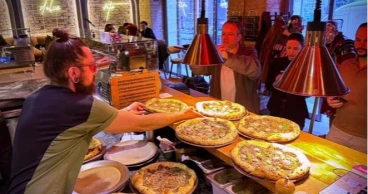
When in Rome: Budapest pizzeria recreates ancient Roman style pizza
In Hungary’s capital, better known for goulash than pizza, a city-centre eatery is offering a unique culinary journey back to ancient Rome long before tomatoes, mozzarella or even the word “pizza” existed in Europe.
At Neverland Pizzeria, founder Josep Zara and his team have launched a limited-edition pie made only with ingredients that were available during the Roman Empire nearly 2,000 years ago
Zara said the idea came from curiosity about what early forms of pizza might have tasted like. Since tomatoes arrived in Europe centuries later from the Americas and mozzarella was not yet invented, true pizza did not exist in Roman times. However, Romans did enjoy baked flatbreads topped with herbs, cheese and sauces — considered ancestors of modern pizza.
His inspiration grew after archaeologists discovered a fresco in Pompeii in 2023 showing a focaccia-like flatbread topped with items such as pomegranate seeds, dates and spices. Zara then studied Roman culinary history, consulting historians and an ancient cookbook, “De re coquinaria,” to identify authentic ingredients.
Head chef Gergely Bárdossy said the team experimented for months, facing challenges like making dough without modern running water. They finally used fermented spinach juice to help the dough rise. Ancient grains such as einkorn and spelt form the base, giving the crust a denser texture than typical pizza.
The unusual toppings include olive paste (epityrum), garum a fermented fish sauce popular in Roman cuisine confit duck, pine nuts, ricotta and a grape reduction.
Bárdossy noted the dish is meant as a special experience rather than everyday food, appealing mainly to curious diners seeking something different. Zara said the project reflects the restaurant’s aim to blend innovation with respect for tradition though he joked there is one modern topping they still refuse to use: pineapple.
8 months ago

Japan’s Owakudani: black eggs said to add seven years to life
Nestled in Japan’s Hakone region, Owakudani is a steaming volcanic valley famous for its black eggs, known locally as kuro-tamago.
Boiled in sulphur-rich hot springs, the eggs turn jet black, and local legend promises that eating one adds seven years to a person’s life.
The story dates back over a thousand years to Kobo Daishi, a revered Buddhist monk and scholar, who encouraged locals to consume eggs boiled in the valley’s hot springs to promote health and vitality.
Over time, this belief evolved into the enduring legend of the seven-year lifespan boost.
Owakudani, about 90 km from Tokyo, attracts visitors with its dramatic landscape of hissing vents, steaming fissures, and rocky terrain.
The valley’s geothermal activity, formed by a volcanic eruption roughly 3,000 years ago, not only shapes the scenery but also gives the eggs their unique black shells. Inside, the eggs are regular hard-boiled eggs with only a faint sulphur taste.
Visitors usually take a train to Odawara, followed by local transport and the Hakone Ropeway, which glides over the volcanic valley. At Owakudani Station, the kuro-tamago are sold fresh, typically in packs of four, and meant to be eaten on-site, reports NDTV.
Read More: Why weight often comes back after quitting intermittent fasting, says Harvard doctor
While scientific evidence does not support the claim of added longevity, the eggs are a ritualistic experience for many Japanese and a fascinating cultural curiosity for international travellers.
Authorities advise visitors to follow safety rules strictly, as the area remains volcanically active with occasional restrictions due to gas emissions or seismic activity.
8 months ago