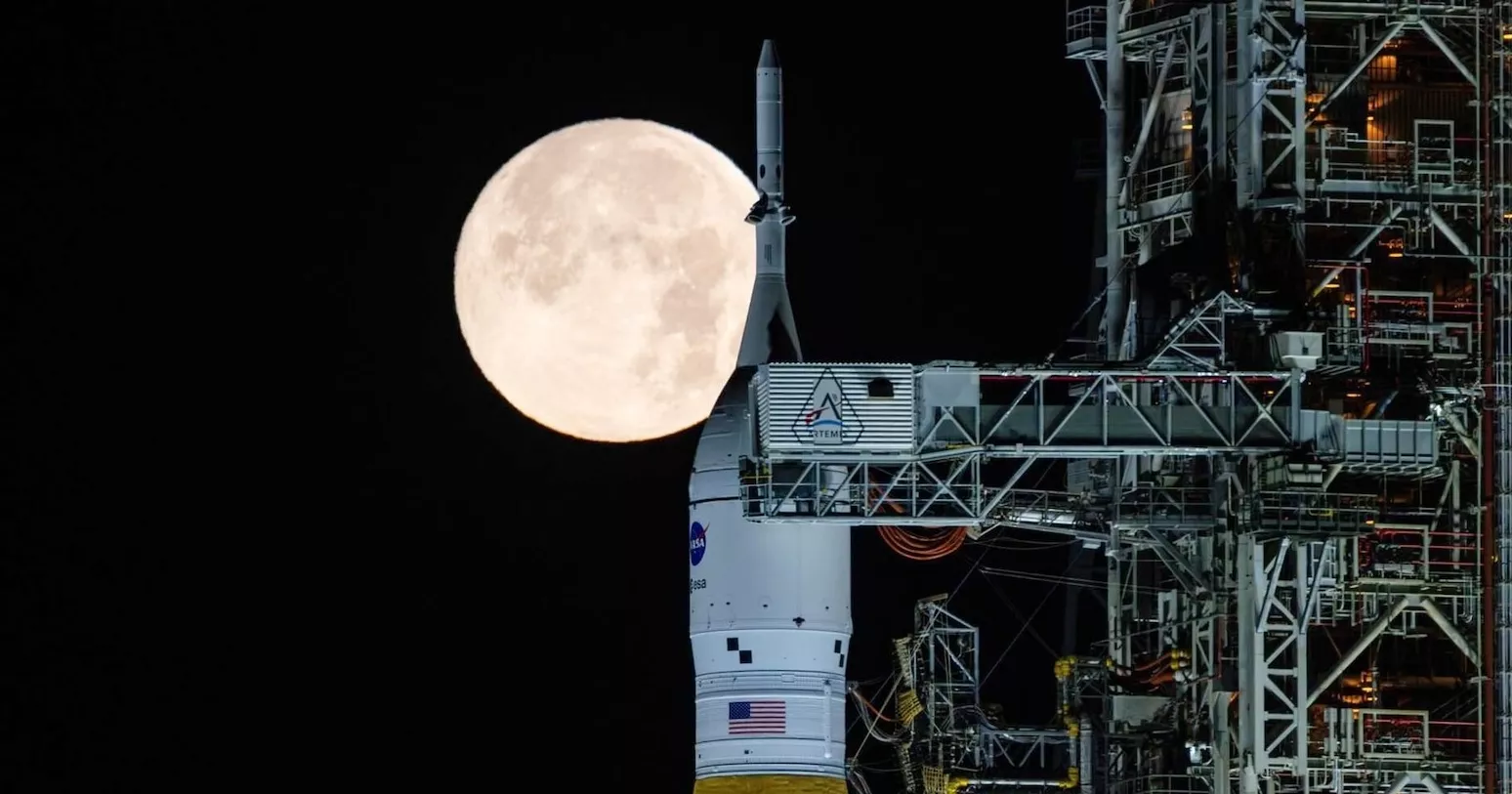
NASA has delayed its much-anticipated crewed mission around the moon until at least March after hydrogen fuel leaks disrupted a key fueling test of its new mega rocket.
The problem surfaced during a full dress rehearsal at Kennedy Space Center, forcing officials to stop the countdown. Similar hydrogen leaks had also delayed the debut of the Space Launch System (SLS) rocket three years ago. Hydrogen, while efficient, is highly flammable and difficult to manage.
“This issue caught us by surprise,” said John Honeycutt, NASA’s SLS program manager, speaking hours after Monday’s test was halted. Before the leaks, NASA had hoped to launch as early as this weekend, marking humanity’s first return to the moon since 1972.
According to NASA, the delay of about a month will give engineers time to run another fueling test before committing the four-member crew three Americans and one Canadian to the lunar flyby mission. It remains unclear when the next rehearsal will take place.
Officials said any damaged seals or parts can likely be fixed at the launch pad. Moving the rocket back to the Vehicle Assembly Building would cause a much longer delay.
The leaks appeared early during the loading of super-cold liquid hydrogen and reappeared later, eventually stopping the countdown at five minutes. Controllers aimed to reach the final 30 seconds, but hydrogen levels rose above safety limits.
NASA teams tried several fixes, including pausing the fuel flow to warm the area and adjusting hydrogen flow rates methods that helped during the uncrewed SLS launch in 2022. This time, however, the leaks persisted.
NASA research plane makes emergency landing in Texas after gear failure
With the launch now pushed to at least March 6, mission commander Reid Wiseman and his crewmates have been cleared to exit quarantine in Houston. They will reenter quarantine two weeks before the next launch attempt. Wiseman said he was proud of the launch team’s work despite the challenges.
NASA officials said cold weather did not cause the leaks. Heaters kept the Orion capsule warm, while protective systems safeguarded the rocket.
Amit Kshatriya, NASA’s associate administrator, reminded reporters that the SLS is still an experimental vehicle and that long gaps between tests add to the challenge.
The nearly 10-day mission will send astronauts around the moon to test life-support and other critical systems. They will not land or enter lunar orbit. The Artemis program ultimately aims to return astronauts to the lunar surface this time near the moon’s south pole—and support longer stays in the years ahead.