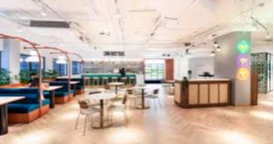
The growing shift to hybrid work is transforming how offices in Singapore are designed and used. Workplaces are no longer just desks and meeting rooms but spaces that support collaboration, individual focus and flexibility.
Raw Design Consultants, a Singapore-based interior design studio, has been at the forefront of this change, developing office projects that balance practical needs with cultural shifts.
Rethinking the role of the office
Singapore ranks among the top adopters of hybrid work in Asia Pacific. With high rental costs and limited space, businesses must make careful choices in planning offices. A basic fit-out costs between $60 and $75 per square foot (psf), mid-range $75–100 psf, and premium $100–150 psf. Designers now focus on efficiency, flexibility and cost control while ensuring the workplace remains relevant and collaborative.
Raw Design’s approach
Founded over a decade ago, Raw Design Consultants set out to streamline office design by avoiding unnecessary delays. “We wanted to deliver inspiring spaces on schedule. Being self-funded gives us flexibility to act quickly and prioritise clients’ needs,” said founder Gary Teo.
Nvidia invests $5 billion in Intel to boost AI and PC collaboration
The studio focuses on employee well-being, using natural light, better acoustics and ergonomic layouts. Space efficiency is a key priority in Singapore’s costly property market. The firm also stresses budget transparency—directing more resources to collaborative and client-facing zones while keeping back-end areas practical.
A case in practice
At Monks Singapore’s APAC headquarters, Raw Design created a workplace around a central “social sanctuary”—a hub for seminars, team sessions and informal gatherings. Surrounding it are open workstations and enclosed rooms for brainstorming, video calls and hybrid meetings, supported by integrated technology.
Looking ahead
Raw Design believes Singapore’s offices will continue to evolve as hybrid models take hold. Future workplaces will blend local character with global connectivity, acting as cultural as well as functional anchors.
“Every office tells a story, but it begins with the people who use the space,” said Teo. “What matters to them shapes every space we create.”
Source: AP