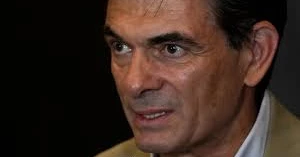
Rodrigo Paz, Bolivia’s first conservative president in 20 years, struck a tone of pragmatism Monday as he addressed the economic crisis gripping the country, just a day after his unexpected election win ended a long era of leftist governance.
Following years of strained relations with Washington under the Movement Toward Socialism (MAS) party, Paz announced his intention to restore diplomatic ties with the United States and attract foreign investment to re-integrate Bolivia into global financial markets.
U.S. Secretary of State Marco Rubio called Paz’s election a “transformational opportunity” for both nations to work together on trade, immigration, and security.
Speaking at a press conference, Paz said, “The message from Mr. Trump’s administration is clear and positive. We will engage in a constructive, cooperative relationship between our countries.”
In another notable move signaling a shift in regional alliances, Paz held a video call with Venezuelan opposition leader and Nobel Peace Prize laureate María Corina Machado. In a break from Bolivia’s previous support for Venezuelan President Nicolás Maduro, Paz pledged support for democracy in Venezuela and across Latin America.
“We’ve taken a major step forward during these challenging times,” he said.
According to preliminary results, Paz secured 54.5% of the vote in the runoff election.
Rebuilding US Relations After Years of Tension
Paz defeated fellow right-wing candidate and former president Jorge “Tuto” Quiroga, although both candidates sought stronger ties with the US. Quiroga was considered to have closer links with the Trump administration and had proposed implementing a tough economic plan through the International Monetary Fund — a widely unpopular suggestion in Bolivia.
Mindful of public skepticism toward international financial institutions, Paz rejected an IMF bailout. Instead, he revealed ongoing talks with the Trump administration and other allies to secure fuel imports before his November 8 inauguration.
“We’re working to ensure that necessary fuel — diesel and gasoline — can be brought in and restore calm,” he said, without offering specifics.
Once buoyed by a commodities boom under former President Evo Morales, Bolivia's economy has since faltered due to declining natural gas production and excessive government spending. The central bank is nearly out of U.S. dollars, leaving the country unable to pay for fuel imports. Fuel shortages have led to long lines, and inflation reached 23% in September — the highest in over three decades.
An Unlikely Alliance Between Right and Former Leftists
Despite a long political career as a mayor and senator, Paz was initially a low-profile contender. His campaign gained traction with the addition of his running mate, Edman Lara — a former police captain turned populist internet figure. Lara’s humble background and anti-corruption stance appealed to many working-class and rural voters, including former MAS supporters.
Lara rose to fame on TikTok in 2023 after being dismissed from the police for exposing corruption in viral videos. He championed populist measures like pension increases and cash handouts, which contrasted with Paz’s more cautious economic approach but boosted their popularity.
Former President Morales, who was barred from the race due to term limits, warned Paz and Lara that their victory didn’t mean unconditional support. “This is not a blank check,” he said, urging them to avoid neoliberal policies and not repress protests.
A Plan to Stabilize the Economy
On Monday, Paz emphasized the need to tackle corruption and restore credibility in public institutions before pursuing large-scale initiatives. His top economic adviser, José Gabriel Espinoza, said cash transfers to the poor would be retained — but as a way to cushion the impact of reducing costly fuel subsidies.
Espinoza noted that Congress had already approved a $3.5 billion loan, and the administration was working to secure another $600 million to stabilize the economy in the first two months of Paz’s term.
“We’re moving away from a blanket subsidy to a targeted one,” Espinoza said, explaining that fuel assistance would go directly to low-income families, while keeping transport fuel prices steady.
Institutional Reform and Indigenous Concerns
Asked how he plans to attract foreign investment and manage debt, Paz stressed the need to “put the house in order first.” That includes potential constitutional changes, a proposal that has raised concerns among Bolivia’s Indigenous population — who gained political recognition under Morales through the 2009 constitution.
That constitution gave Indigenous groups greater political influence and restructured the judiciary, though critics say it became susceptible to political manipulation.
Paz assured the public he would respect Indigenous rights while reforming the judiciary, calling it a key step toward restoring checks and balances. He pledged to convene a summit the day after his inauguration to develop concrete reform proposals.
Recognizing the tough road ahead, Paz stressed the importance of unity and negotiation. “We’ve extended our hand to all political groups in Parliament,” he said, signaling a willingness to work across the aisle to implement his reform agenda.