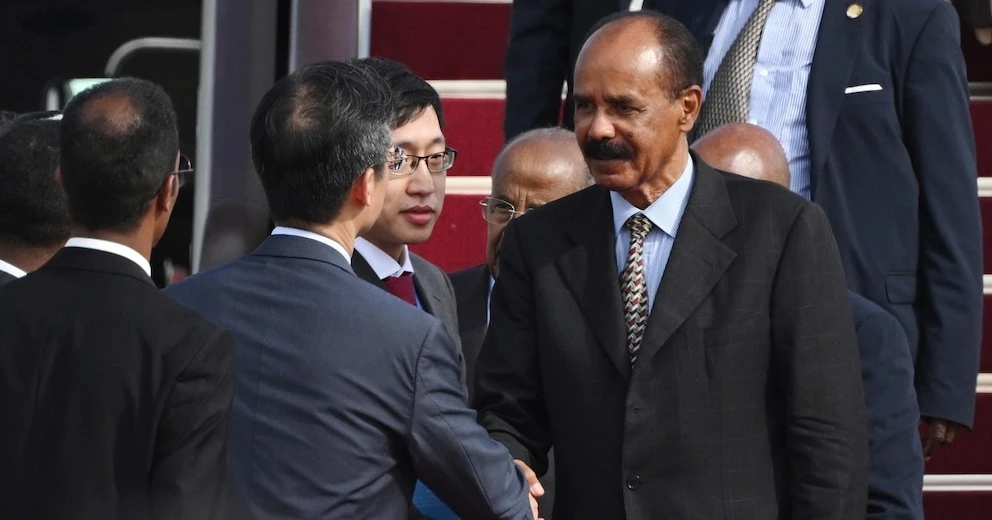
Eritrea has withdrawn from the Intergovernmental Authority on Development (IGAD), accusing the East African regional bloc of working against its national interests, as the United Nations voiced concern over rising tensions between Eritrea and neighboring Ethiopia.
In a statement issued Friday, Eritrea’s foreign ministry said it was leaving IGAD because the organization had “lost its legal mandate and authority,” offered no strategic benefit to member states, and failed to contribute meaningfully to regional stability. Eritrea previously exited the bloc in 2003 before rejoining two years ago. IGAD responded by saying Eritrea had not actively participated in the organization’s activities since its return.
IGAD comprises eight countries — Eritrea, Ethiopia, Djibouti, Kenya, Somalia, South Sudan, Sudan and Uganda — and focuses on cooperation in areas such as trade, transport, agriculture, natural resources and environmental policy.
The withdrawal comes amid renewed friction between Eritrea and Ethiopia, with both sides accusing each other of interference. Concerns have grown over the possibility of another conflict despite a peace deal signed 25 years ago.
Ethiopia has recently stated its desire to regain access to the Red Sea through Eritrea, which it depended on for trade before Eritrea’s independence in 1993. Prime Minister Abiy Ahmed’s remarks calling the loss of sea access a “mistake” have been viewed by Eritrea as provocative.
The United Nations urged both countries to recommit to peace, respect sovereignty and uphold territorial integrity. It cited the 2000 Algiers Agreement, which ended decades of border conflict, calling it a vital framework for maintaining stability.
Eritrea has accused Ethiopia of harboring intentions to seize its Red Sea ports, while Ethiopia claims Eritrea is preparing for war and supporting rebel groups within Ethiopia.