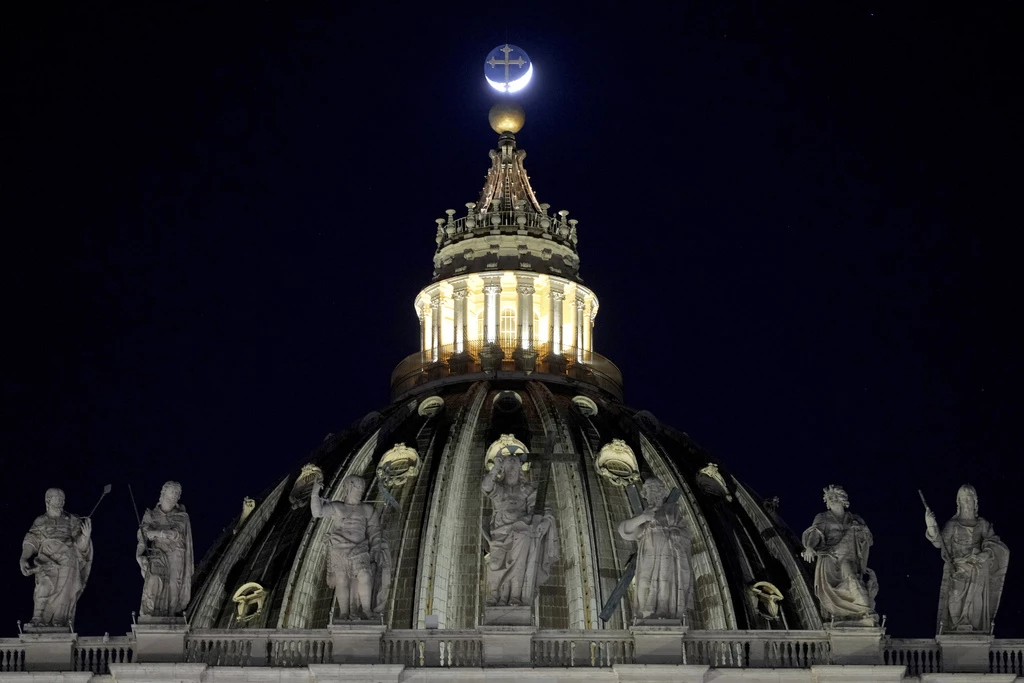
Pope Francis was resting on Wednesday, marking the beginning of the Lenten season leading up to Holy Week, after sleeping through the night while wearing a ventilation mask during his hospital treatment for double pneumonia, reports AP.
Pope rests after double pneumonia, needs ventilation
In its latest update, the Vatican confirmed that the pope had a good night’s sleep, waking shortly after 8 a.m. He remained in stable condition, though his prognosis remained cautious, meaning he was still not out of danger. In the morning, he resumed supplemental oxygen via a nasal tube, alternating with the ventilation mask at night to assist with his breathing and allow for better rest.
At 88 years old, Pope Francis, who suffers from chronic lung disease and had part of his lung removed when younger, experienced two respiratory crises on Monday, which delayed his recovery.
On Tuesday, he was only receiving supplemental oxygen following the previous day’s respiratory issues but resumed using a ventilation mask overnight, according to the Vatican.
The pope’s hospitalisation, which began on February 14, marks the longest of his 12-year papacy.
As Lent begins with Ash Wednesday, the Vatican is continuing preparations for the season, despite the pope's absence. A cardinal has been appointed to take his place during Vatican celebrations, including the traditional service and procession in Rome.
On Ash Wednesday, Catholics receive the sign of the cross in ashes on their foreheads, symbolising human mortality. It is a day of fasting and abstinence, marking the start of the most penitential season in Christianity.
Preparations for Lent proceed without the pope, who had initially planned to attend a spiritual retreat this coming weekend with the rest of the Holy See hierarchy. However, the Vatican confirmed on Tuesday that the retreat would still take place, with the theme of “Hope in eternal life,” which had been chosen weeks before his illness.
Pope Francis, who uses a wheelchair due to limited physical activity and is overweight, had been undergoing respiratory physiotherapy to improve his lung function. His inability to expel fluid from his lungs due to weak muscle tone was contributing to his condition.
Doctors frequently use noninvasive ventilation to prevent the need for more invasive procedures such as intubation. The pope has not been intubated during this hospitalisation. It is unclear whether he has provided any directives regarding the limits of his care in the event of a serious decline or loss of consciousness.
Italian Premier visits Pope Francis in hospital
Catholic teaching asserts the importance of defending life from conception until natural death. It maintains that chronically ill patients, even those in vegetative states, should receive “ordinary” care like hydration and nutrition, but “extraordinary” or disproportionate care may be suspended if it no longer benefits the patient or merely prolongs suffering.