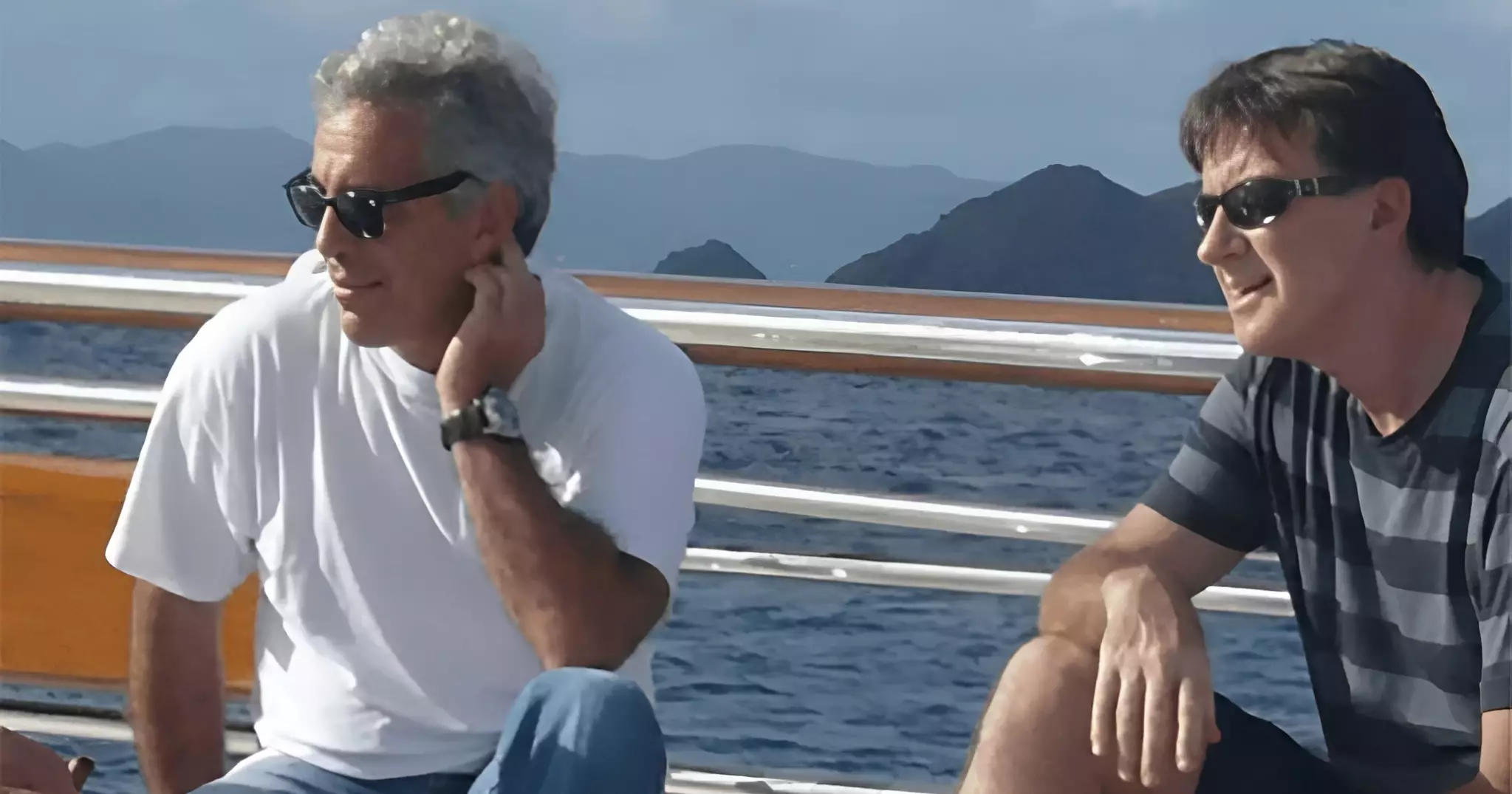
British Prime Minister Sir Keir Starmer has accused Lord Peter Mandelson of repeatedly lying about his relationship with convicted sex offender Jeffrey Epstein and expressed regret over appointing him as the UK’s ambassador to the United States in 2024.
Starmer told Parliament that Mandelson “betrayed our country” and concealed the full extent of his links with Epstein, adding that the vetting process had flagged Mandelson’s ongoing association with the financier. The prime minister said he will release all material relating to Mandelson’s appointment, except for highly sensitive documents involving national security or international relations.
The controversy escalated after emails emerged showing Mandelson exchanging messages with Epstein on the day of the latter’s release from prison in 2009, including discussions about strippers and personal jokes. Mandelson has not responded publicly, but sources indicate he maintains he did not act criminally or for financial gain.
Labour MPs expressed outrage over the limited disclosure plan, with Deputy Leader Angela Rayner and others demanding a parliamentary committee have a role in deciding which documents are released. Conservative leader Kemi Badenoch accused Starmer of attempting to “sabotage” the disclosure, while Shadow Cabinet Office minister Alex Burghart pressed for transparency regarding the due diligence process.
Meanwhile, Scotland’s First Minister John Swinney has launched an “investigatory audit” into Scottish government dealings with Mandelson, including his hosting of Swinney at his Washington residence during a trip to lobby US officials on whisky tariffs. Swinney described Starmer’s judgment in appointing Mandelson as “completely flawed” and “disastrous.”
The debate has also raised questions about national security and potential leaks. Liberal Democrats leader Sir Ed Davey asked whether sensitive information may have been passed to Russian agents, citing ongoing investigations by Polish authorities into Epstein’s alleged links with Moscow. Starmer emphasized that the government will fully cooperate with criminal investigations.
The episode has intensified scrutiny of Starmer’s decision-making and promises to affect parliamentary debates and public perception as the process of document disclosure begins.
With inputs from BBC