Tehran has threatened to block and even “set fire” to vessels attempting to pass through the strategically vital Strait of Hormuz as tensions escalate following large-scale US and Israeli strikes on Iran.
An adviser to Iran’s Islamic Revolutionary Guard Corps warned on state television that the waterway is effectively closed and ships entering the area would face a “serious response.” The Strait of Hormuz handles roughly one-fifth of the world’s oil and gas supplies, making it one of the most critical global energy routes.
US Secretary of State Marco Rubio said the “hardest hits” against Iran are “yet to come,” declining to disclose operational details. He described Saturday’s US action as “pre-emptive,” arguing Washington acted because it anticipated Israeli strikes would trigger Iranian retaliation against American forces.
Rubio said the US objective is to destroy Iran’s ballistic missile capabilities and limit threats to global shipping posed by its navy. While he added that the US would welcome change led by the Iranian people, he insisted regime change was not the stated mission.
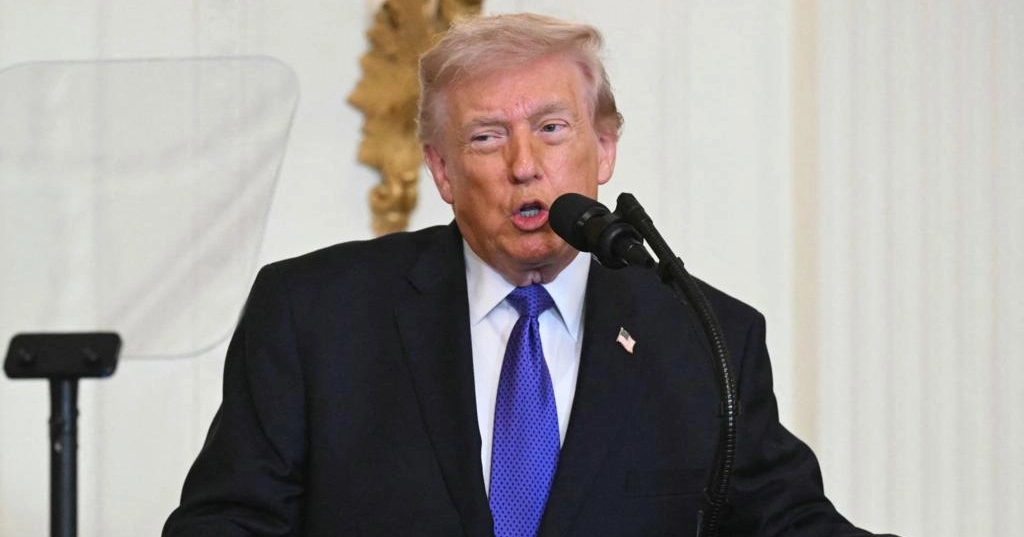
President Donald Trump, speaking at the White House for the first time since the strikes, defended the decision to launch military action as the “last, best chance” to stop Iran’s leadership. He said the US is continuing “large-scale combat operations.”
Meanwhile, Iran has fired missiles toward Israel, with the Israeli military saying its air defence systems were intercepting incoming threats. Israel has also intensified strikes in Tehran and targeted positions in Lebanon it described as linked to Hezbollah. Lebanese health authorities reported dozens killed and hundreds displaced in Beirut following Israeli bombardment.
Saudi Arabia confirmed that two drones struck the US embassy compound in Riyadh, causing a limited fire and minor structural damage. Separately, an air base near Dubai used by Australian forces was hit by a drone over the weekend, though no Australian personnel were injured.
The conflict is also rattling global markets. The cost of chartering a supertanker to transport oil from the Middle East to China has surged to a record high of more than $400,000 per day, nearly double last week’s rate, according to financial data providers.
In Tehran, damage was reported at the historic Golestan Palace, a UNESCO-listed royal complex dating back to the Qajar era. Iranian media said nearby explosions affected the site, prompting concern over cultural heritage protection.
The US State Department has urged American citizens across much of the Middle East to depart via commercial means due to “serious safety risks.” An updated military briefing from US Central Command said six American service members have been killed so far in the conflict.
British Prime Minister Keir Starmer said the UK’s decision not to join the US-Israeli operation was “deliberate,” adding that his government does not support “regime change from the skies.”
As missile exchanges and air strikes continue, fears are mounting that the conflict could further disrupt global energy supplies and draw more regional actors into a widening war.
With inputs from BBC