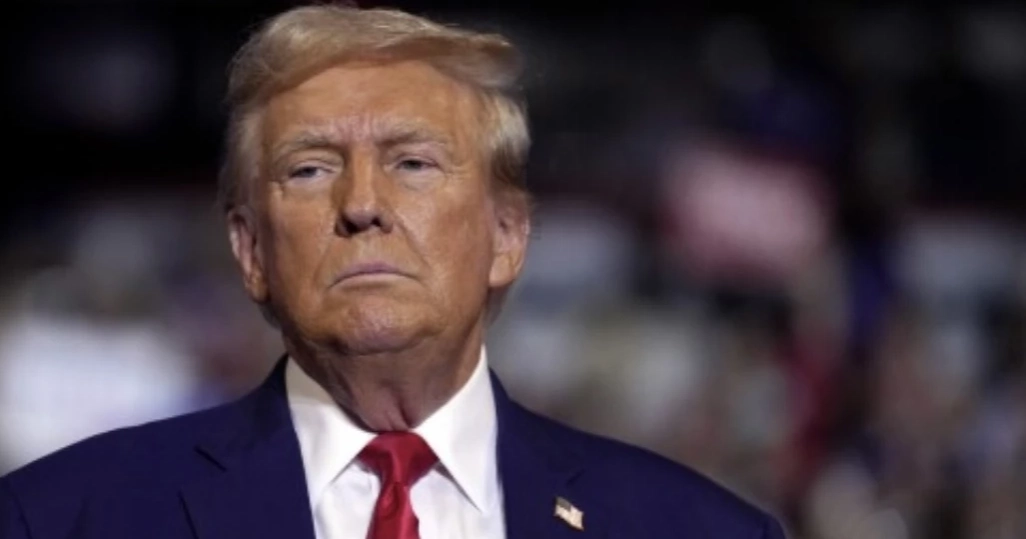
U.S. President Donald Trump on Monday said Washington is in contact with a “respected” Iranian figure, expressing optimism that Tehran is willing to negotiate an end to the ongoing conflict.
He also announced a five-day extension to a previous ultimatum demanding Iran reopen the strategic Strait of Hormuz or risk strikes on its power infrastructure.
The shift in tone comes as the war enters its fourth week, easing global market tensions after a weekend marked by escalating threats between the two sides. Oil prices fell and stock markets reacted positively following Trump’s remarks, which hinted at a possible diplomatic breakthrough.
Trump told reporters that Iran is keen to “make a deal,” adding that U.S. envoy Steve Witkoff and his son-in-law Jared Kushner held discussions with an الإيراني representative on Sunday. However, he clarified that no talks have taken place with Supreme Leader Ayatollah Mojtaba Khamenei.
He further said that any agreement could involve the U.S. taking control of Iran’s enriched uranium, a key issue in its controversial nuclear programme—something Tehran has consistently rejected, insisting its enrichment activities are for peaceful purposes.
Regional players, including Turkey and Egypt, have reportedly stepped in to mediate, signalling coordinated diplomatic efforts. However, Iran’s parliament speaker Mohammad Bagher Qalibafdismissed claims of negotiations, calling them “fake news” aimed at influencing financial and oil markets.
The conflict has already caused significant devastation, including strikes on key energy infrastructure and the reported killing of Iran’s supreme leader. More than 2,000 people have died, while global oil markets and critical air routes have been severely disrupted.
Trump had earlier threatened to “obliterate” Iran’s power plants if it failed to lift restrictions on the Strait of Hormuz within 48 hours. With the new five-day extension, he said progress in ongoing discussions would determine the next steps. Iranian officials, however, denied any talks were taking place and accused Washington of trying to manipulate energy prices while preparing further military action.
Meanwhile, diplomatic activity has intensified. Iranian Foreign Minister Abbas Araghchi spoke with his Turkish counterpart Hakan Fidan, while Abdel-Fattah el-Sissi said Cairo had sent clear messages urging de-escalation.
Iran has warned of retaliation if attacked, with its Revolutionary Guard threatening strikes on energy infrastructure linked to U.S. interests across the region. It has also signalled that vital facilities, including desalination plants in Gulf countries, could become targets.
The crisis has already driven up global energy prices, affecting economies far beyond the Middle East. However, prices dropped following Trump’s latest remarks, offering temporary relief.
International officials continue to stress that the conflict cannot be resolved militarily, warning of far-reaching consequences if tensions escalate further.