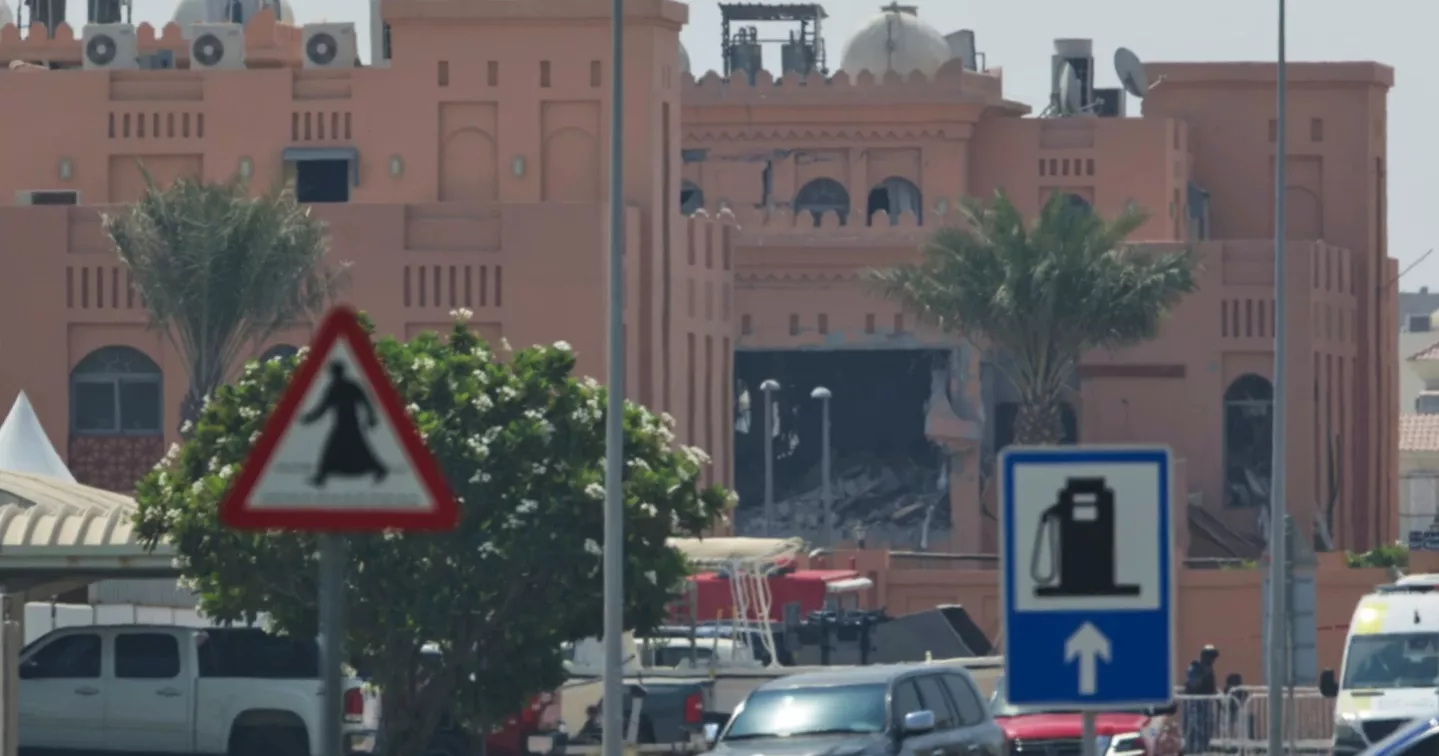
U.S. President Donald Trump has signed an executive order committing to defend Qatar against external threats, including through possible military action, following Israel’s surprise strike on the Gulf nation.
The order, posted on the White House website Wednesday but dated Monday, pledges to safeguard Qatar’s sovereignty, territorial integrity and critical infrastructure. It came amid efforts to reassure Doha after the Israeli attack, which killed six people, including a member of Qatar’s security forces, as Hamas leaders were reportedly weighing a ceasefire deal in the Gaza war.
“The United States shall regard any armed attack on Qatar as a threat to U.S. peace and security,” the order states. It further authorizes “all lawful and appropriate measures — diplomatic, economic, and, if necessary, military” to defend both American and Qatari interests.
US begins troop drawdown in Iraq under agreement with Baghdad
The move followed Israeli Prime Minister Benjamin Netanyahu’s Washington visit, during which Trump arranged a call between Netanyahu and Qatar’s leadership. Netanyahu conveyed his “deep regret” over the strike, the White House said. Later, Trump also spoke by phone with Qatari Emir Sheikh Tamim bin Hamad Al Thani about Doha’s mediation in ceasefire talks.
Qatar welcomed the U.S. pledge as a “significant step in strengthening defense ties,” while Al Jazeera described the order as a security guarantee. However, questions remain about its binding nature, as treaties typically require Senate approval. Analysts noted that Trump, like previous presidents, has at times pursued international commitments without Senate consent.
The order has already stirred debate. Right-wing activist Laura Loomer posted on X: “I don’t want to die for Qatar. Do you?” The Wall Street Journal’s editorial board also criticized the decision, saying it came “without public debate.”
Qatar hosts the U.S. Central Command’s forward base at Al Udeid Air Base and was designated a major non-NATO ally by President Joe Biden in 2022 for its role in aiding the U.S. withdrawal from Afghanistan. The Gulf state also maintains close ties with Trump, ranging from business projects to support for his presidential travel.
Meanwhile, Israel’s strike has triggered broader regional repercussions. Saudi Arabia has signed a mutual defense pact with Pakistan, reportedly extending Islamabad’s nuclear umbrella over the kingdom. Analysts suggest other Gulf states, facing uncertainty over Israel and renewed U.N. sanctions on Iran, may also seek formal guarantees from Washington.
“The Gulf’s centrality to the Middle East and its strategic value to the United States demand clear guarantees beyond verbal assurances and ceremonial meetings,” wrote Bader al-Saif, a Gulf affairs expert at Kuwait University.
Source: AP