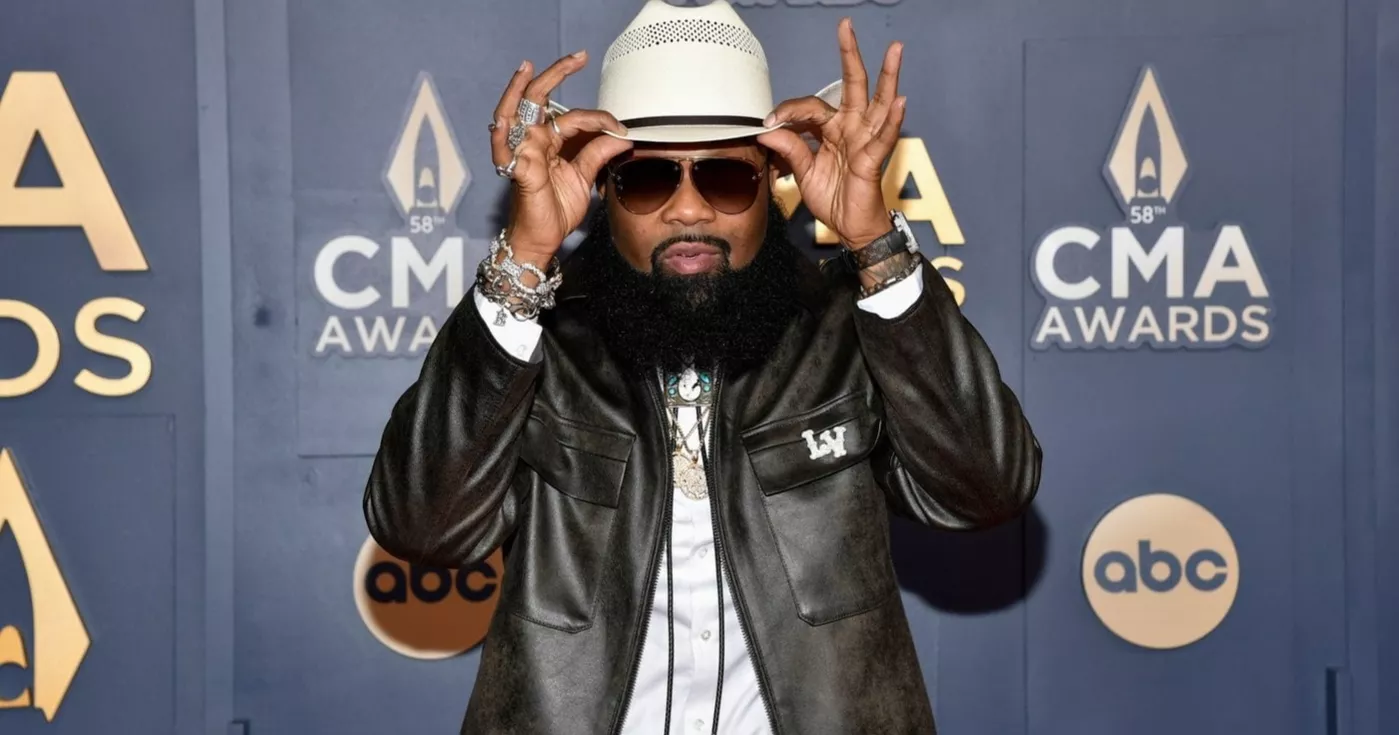
The surprise chart-topping success of an AI-generated country song is stirring debate in the music industry after it appeared to borrow heavily from the vocal style of Grammy-nominated artist Blanco Brown — without his knowledge.
Earlier this month, “Walk My Walk,” credited to a fictional white digital avatar named Breaking Rust, reached No. 1 on Billboard’s country digital song sales chart. But the track’s vocal tone, phrasing and melodic shape closely resemble Brown, best known for his 2019 crossover hit “The Git Up.”
Brown said he learned about the AI song only after friends bombarded him with messages.
“Somebody told me, ‘They typed your name into AI and made a white version of you,’” he recalled.
The song is listed as being created by Aubierre Rivaldo Taylor, who has also been credited behind the X-rated AI-generated country act Defbeatsai. That project traces back to Abraham Abushmais — a past collaborator of Brown’s — who developed Echo, an AI-powered music generator. Brown said he was never notified and has been unable to contact Abushmais.
What unsettled him most, Brown said, was the pairing of an AI-crafted white avatar with a voice modeled on a Black artist’s sound.
“It’s a white AI man with a Black voice,” he said. “And he’s singing like a Negro spiritual.”
Brown has since recorded his own cover of “Walk My Walk,” released last week, and will publish a reworked version with new lyrics on Monday. His management says the move aims to force conversation around the legal and ethical gaps surrounding AI-generated music.
The incident comes as AI transforms music creation, enabling users to produce full songs with simple text prompts through platforms such as Suno and Udio. Major labels have already sued the companies, accusing them of training models on copyrighted material without permission. Universal Music Group and Warner Music Group have since reached AI licensing agreements with the platforms, marking early attempts to set industry rules.
Experts say the rapid spread of AI-generated tracks has outpaced legal and ethical frameworks.
“AI has democratized music creation but without guardrails,” said Josh Antonuccio of Ohio University. “Creators are stuck in a strange purgatory where they aren’t being compensated.”
The racial dynamics of the Breaking Rust avatar add another layer of complexity. Brown, who has long navigated country music as a Black crossover artist, noted that an AI song built on his sound reached No. 1 while he still struggles for consistent country radio play.
“He created something with my tone and gave it a white face,” Brown said. “In Nashville, that’s nothing new.”
Despite the controversy, Brown says he’s not opposed to AI — only to the lack of recognition and rights for human artists whose voices fuel these tools.
“I go through this every day with real people who borrow from what I do,” he said. “Robot or human — they’re not giving me credit anyway.”
Still, he believes real artistry will endure.
“Real artists are always going to prevail,” he said. “Purpose lives where greed can’t.”