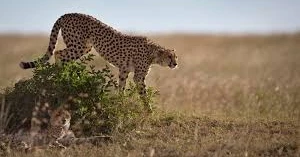
For 35 years, American zoologist Laurie Marker has been collecting and preserving cheetah sperm at the Cheetah Conservation Fund in Namibia, creating a “frozen zoo” that may one day be critical for the species’ survival.
Marker, one of the world’s leading cheetah experts, said the bank would only be used in extreme circumstances to aid artificial reproduction if wild populations continue to decline.
Today, fewer than 7,000 cheetahs remain in the wild, with most populations numbering under 100, spread across Africa. Habitat loss, human-wildlife conflict, and illegal trade threaten their survival, while shrinking gene pools reduce reproduction rates.
Rising exotic pet trade spurs calls for tighter international rules
Globally, cheetah numbers have dropped 80% in the past 50 years, and genetic diversity is limited, with 70-80% of sperm showing abnormalities. Storing reproductive material is a proven conservation tool used for rhinos, elephants, big cats, and other endangered species.
Marker draws samples opportunistically from injured, captured, or deceased cheetahs, currently preserving specimens from around 400 animals in liquid nitrogen.
With captive cheetahs breeding poorly, the sperm bank could become a last resort to prevent extinction, ensuring the species has a chance to survive for future generations.
Source: AP