
Eight babies have been born in the UK using DNA from three people in a groundbreaking effort to stop the transmission of severe and often deadly mitochondrial conditions, doctors have confirmed.
The approach, developed by UK scientists, involves combining the egg and sperm of the intended parents with a second egg from a donor woman. Though the technique has been legal in the UK for a decade, this is the first confirmed evidence that it has successfully resulted in births free from incurable mitochondrial disease.
These inherited conditions typically pass from mother to child and impair the body’s ability to produce energy. The impact can be devastating, often leading to severe disability or death shortly after birth.
Couples are often aware of their risk if previous children, family members, or the mother herself have shown symptoms.
‘Love Island’ reignites debate over racial bias, colorism, and misogynoir in dating culture
Babies born through this method receive the vast majority of their DNA from their parents, with just about 0.1% coming from the donor woman.
This genetic material from the donor includes healthy mitochondria and is passed down to future generations.
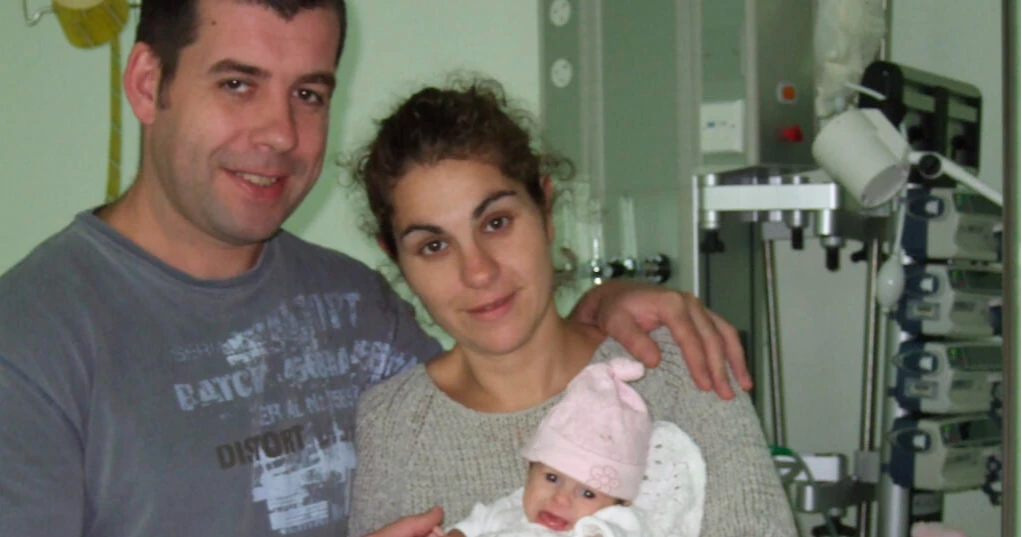
Families who underwent the procedure have chosen to remain anonymous but shared their experiences through the Newcastle Fertility Centre, where the treatments were performed.
Mitochondria are microscopic structures within nearly all human cells that convert oxygen and food into usable energy. Faulty mitochondria can leave the body without sufficient energy to function properly, potentially leading to organ failure, brain damage, seizures, and other serious complications.
Roughly one in every 5,000 babies is born with mitochondrial disease. The Newcastle team estimates that 20 to 30 babies could be born each year through this three-person method. Some parents have endured the heartbreak of losing multiple children to these diseases.
Because mitochondria are inherited only from the mother, this innovative technique uses healthy mitochondria from a donor woman alongside the parents’ genetic material. The science behind the procedure was developed at Newcastle University and Newcastle upon Tyne Hospitals NHS Foundation Trust, with a specialised NHS service launching in 2017.
Two reports published in the New England Journal of Medicine revealed that 22 families underwent the process at Newcastle Fertility Centre.
The procedures led to the birth of eight babies—four boys and four girls, including a pair of twins—and one ongoing pregnancy.
“To see the relief and joy in the faces of the parents of these babies after such a long wait and fear of consequences, it’s brilliant to be able to see these babies alive, thriving and developing normally,” Prof Bobby McFarland, director of the NHS Highly Specialised Service for Rare Mitochondrial Disorders, told the BBC.
All the babies were found to be free of mitochondrial disease and are developing as expected. One baby experienced epilepsy, which resolved naturally, and another has an irregular heartbeat currently being treated. These issues are not believed to be linked to the mitochondrial replacement process.
Stay cool with these heat-fighting gadgets and wearables
An important concern has been whether damaged mitochondria might still transfer into the embryo, potentially leading to disease. The findings show that in five cases, defective mitochondria were undetectable. In the remaining three, low levels—ranging from 5% to 20%—were found in samples, which is well below the 80% threshold typically associated with symptoms.
Researchers are continuing to investigate why this low-level transfer occurred and whether it can be completely avoided.
Source: BBC