Senior U.S. and Japanese officials usually avoid anything beyond carefully worded remarks about Japan’s 1941 surprise attack on U.S. forces at Pearl Harbor. However, discomfort, confusion and unease emerged in Japan after President Donald Trump casually invoked the World War II attack to justify his secrecy before launching a military strike on Iran.
The unease deepened as Japanese Prime Minister Sanae Takaichi sat beside Trump when he made the comments during a summit in Washington. Japan’s cautious reaction is partly linked to the crucial security and economic role of the United States, its key ally in the region, and Tokyo’s need to maintain strong bilateral ties.
The episode also highlighted how debates over Japan’s wartime role remain politically sensitive even eight decades after World War II. Some leaders, including Takaichi, have argued Japan has apologized sufficiently for its wartime actions, while her possible visit to the controversial Yasukuni Shrine continues to stir debate.
Trump defended his decision not to inform allies ahead of the Iran strike by referring to Pearl Harbor, asking why Japan had not warned the United States in 1941. Japan’s liberal-leaning Asahi newspaper criticized the remark, saying it ignored lessons of history.
The comments drew mixed reactions in Japan, with social media users and analysts calling them rude or historically insensitive, while others criticized Takaichi for not responding. Experts noted that both nations traditionally tread carefully on wartime history due to their deep security ties, including the U.S. military presence in Japan and Tokyo’s reliance on Washington’s nuclear deterrence.
Japan reacts with unease after Trump references Pearl Harbor in Iran war remarks
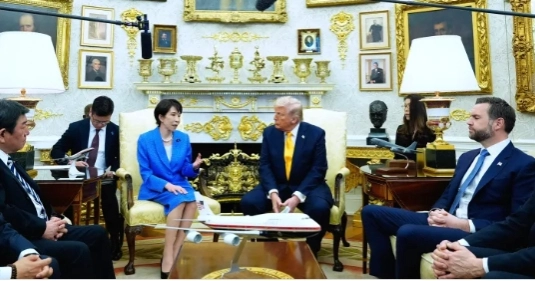
Photo: Courtesy