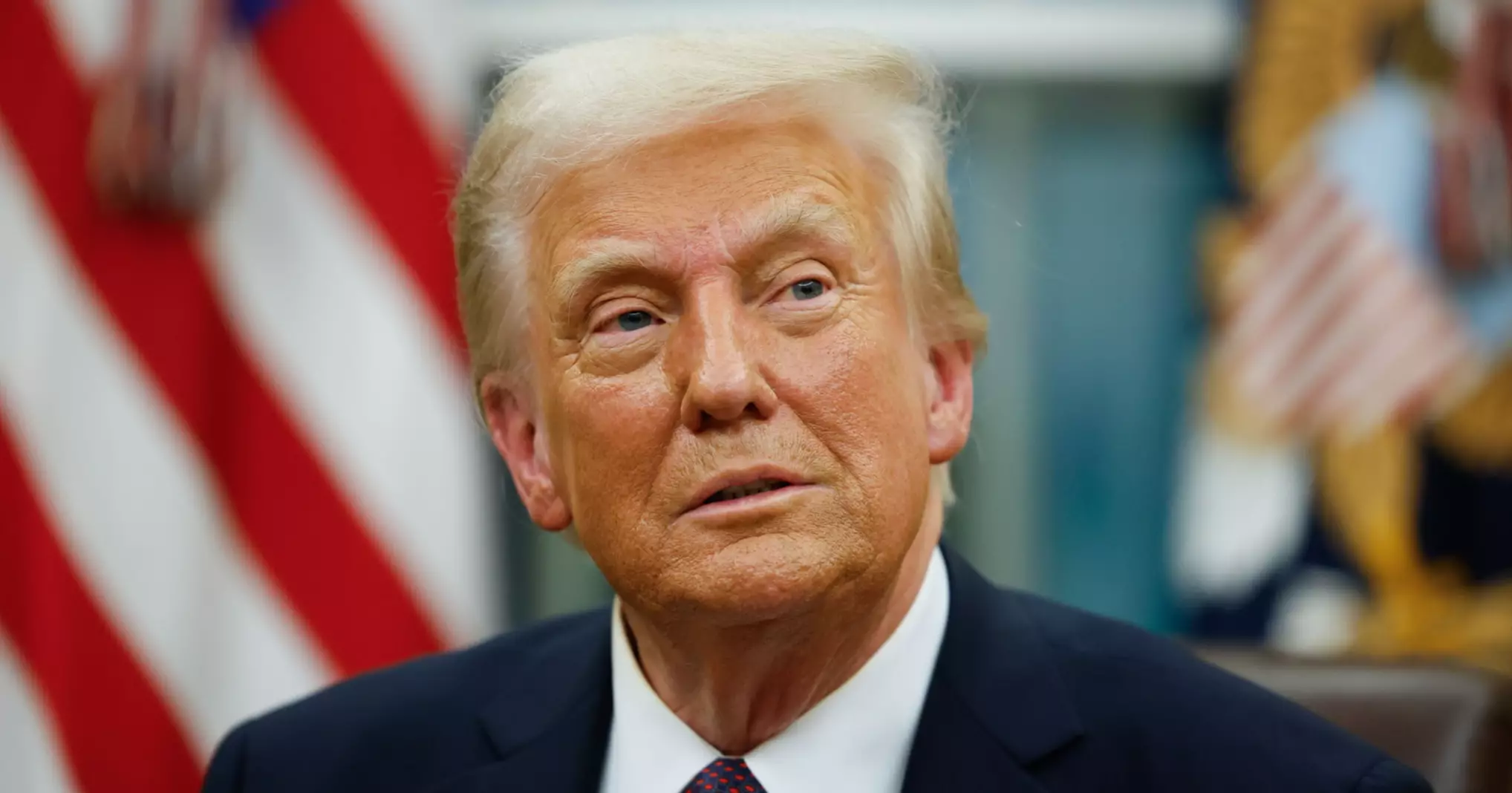
Donald Trump said Monday that the United States has extended by five days its deadline for Iran to reopen the Strait of Hormuz, while claiming Tehran is willing to negotiate an end to the ongoing war — a claim swiftly denied by Iranian officials.
In remarks and social media posts, Trump said Iran “wants to make a deal” and indicated that US envoys had been in contact with a “respected” Iranian leader. He added that discussions would continue throughout the week and that any delay in military action would depend on the outcome of those talks.
Iran rejected the claims. Foreign Ministry spokesman Esmail Baghaei said no negotiations had taken place, while parliament speaker Mohammad Bagher Qalibaf accused Washington of spreading “fake news” to influence oil and financial markets.
Trump also said any potential deal would involve the US taking control of Iran’s enriched uranium and ending its nuclear programme — conditions Tehran has historically refused.
The announcement brought immediate relief to global markets. Oil prices dropped sharply and stock markets rebounded after earlier losses, reflecting investor hopes for de-escalation in a conflict that has already disrupted energy supplies worldwide.
The war, now in its fourth week, has had wide-ranging consequences, including rising fuel prices and threats to key shipping routes. The Strait of Hormuz, through which a significant share of global oil passes, remains at the centre of the crisis.
Diplomatic efforts have intensified. Pakistan and Turkey held consultations on de-escalation, while Egypt said it was maintaining “constant communications” with all parties to prevent further escalation. Egyptian President Abdel-Fattah el-Sissi called for renewed efforts to end the war.
International concern is also mounting. The head of the International Committee of the Red Cross warned that attacks on civilian infrastructure could amount to war crimes, as strikes on energy and transport facilities increase across the region.
On the ground, hostilities continued. Israeli forces launched fresh strikes on Tehran and Lebanon, while Iran and its allies maintained missile and drone attacks. In Lebanon, the death toll has surpassed 1,000, according to official figures.
The broader economic impact is deepening. The International Energy Agency warned of a “major threat” to the global economy, citing significant losses in oil and gas supply. UN officials also cautioned that developing countries in Asia and Africa are being hit hardest by rising energy costs.
Meanwhile, Iran’s Defense Council warned it could mine key waterways in the Persian Gulf if faced with a ground invasion, raising fears of further disruption to global shipping and energy flows.
Despite Trump’s suggestion of a possible breakthrough, sharp differences between Washington and Tehran continue to cast doubt on any immediate resolution.