Bangladesh May Day
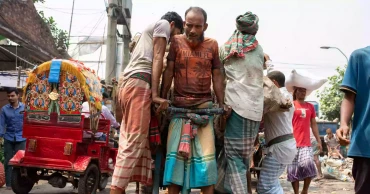
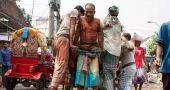
For millions in Bangladesh May Day means work for survival, no celebration
While the world observes International Workers’ Day with speeches, processions, and pledges of solidarity, millions of workers across Bangladesh mark the day not with rest, but amid relentless struggle in pursuit of their daily bread.
May Day, internationally recognised as International Workers’ Day, is observed on 1st May each year to honor the struggles and achievements of workers. In Bangladesh, it is a national holiday marked by political speeches, symbolic rallies, and public events. However, the majority of labourers, especially those in low-income and informal sectors, receive little to no tangible benefits or recognition on this day.
From the early hours of the morning, rickshaw pullers, day labourers, garment workers, street vendors, and construction workers flooded the streets and job sites — not for celebration, but for survival. Despite May Day’s symbolic importance as a day of rest and rights for labourers, many in the informal sector say they simply cannot afford to stop working.
“I know it's Labour Day, but if I don’t drive my rickshaw today, my family won't eat,” said Shafiq, a rickshaw puller in Dhaka’s Mirpur area. “No holiday for the poor.”
In industrial zones like Ashulia and Narayanganj, several small garment factories remained in operation. Workers claimed they were asked to report at work or risk losing pay — or worse, their jobs. Labour rights organisations say such practices reflect a persistent gap between labour laws and their enforcement.
Despite significant progress in the labour sector, including wage reforms and increased unionisation, informal workers — who make up over 85% of the total labour force in Bangladesh — remain excluded from many basic protections and benefits.
“May Day should remind us of the dignity of work and the rights of workers,” said Shirin Akhter, a labour rights activist. “But for many in Bangladesh, it remains just another day of toil under economic pressure.”
End police misuse at state level, ensure political neutrality: Eminent Citizens
As rallies and official programmes took place in urban centres, these silent labourers highlighted the stark divide between the ideals of May Day and the realities on the ground.
As Bangladesh joins the global observance of International Workers’ Day, also known as May Day, the stark contrast between celebration and survival remains apparent across the nation. While official ceremonies honour the contributions of the working class, the daily grind continues for millions who have no choice but to labour even on this symbolic day.
From rickshaw pullers in Dhaka to tea garden workers in Sylhet, day labourers, construction hands, and domestic workers resumed their routines as usual, underscoring a harsh reality — for them, a holiday is a luxury they cannot afford.
“I’ve heard of May Day, but hunger doesn’t take holidays,” said Rahima Begum, a domestic worker in the capital’s Mohammadpur area. “If I don’t go to work, I don’t get paid. It’s that simple.”
More work than words
Bangladesh’s labour force is estimated at over 70 million, according to the Bangladesh Bureau of Statistics (BBS), with approximately 85.1% employed in the informal sector. These workers typically lack formal contracts, social security, health benefits, or union representation — making them vulnerable to exploitation and economic instability.
1 year ago
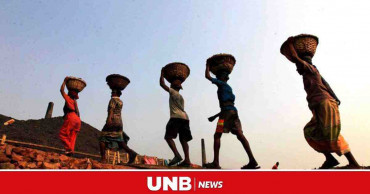
May Day being observed in Bangladesh
May Day is being observed in Bangladesh as elsewhere across the world on Sunday.
May Day, also known as the International Workers' Solidarity Day, commemorates the historic uprising of working people in the US city of Chicago at the height of a prolonged fight for an eight-hour workday in the late nineteenth century.
The day is a public holiday in Bangladesh.
This year, the theme for this historic day in Bangladesh is 'Sramik-Malik Ekota, Unnoyoner Nischoyota'' (roughly translated reads: Workers-owners unity, assurance of development).
Also Read: May Day to be celebrated Saturday
President Abdul Hamid and Prime Minister Sheikh Hasina issued separate messages ahead of the day.
President Hamid called upon all stakeholders to work together to ensure the welfare of the country’s workers.
“In order to survive in today's competitive world, workers and employers along with the government will need to be more dedicated to maintaining a good relationship to boost production," the President said.
The Prime Minister in her message said, “Our government has taken all possible measures to tackle the Covid situation, including distribution of relief among the working people to stand beside them.”
Also Read: Historic May Day being observed
She urged all to build a happy, rich and Sonar Bangla as dreamt by Bangabandhu by working for the welfare of the working people and the country.
Newspapers published supplements while radio and television channels are airing special programmes highlighting the significance of the day.
Different organisations, political parties have chalked out dedicated programmes to observe the day.
On May 1, 1886, 10 workers were killed when police opened fire on a demonstration in Chicago near Hay Market demanding an eight-hour working day instead of a 12-hour shift. At the height of agitation, authorities had to accept the workers' demand and the eight-hour day was introduced universally.
On July 14, 1889, an international workers' rally in Paris declared May 1 as the International Workers’ Solidarity Day in recognition of the Chicago workers' sacrifice and achievement and since 1890, the day has been observed globally.
4 years ago