pollutants
‘Unhealthy’ air quality persists in Dhaka
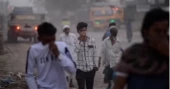
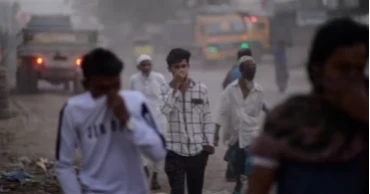
Dhaka, the overcrowded capital city of Bangladesh, has ranked eighth on the list of cities with the worst air quality with an AQI score of 153 at 9:50 am this morning (December 14, 2025).
Today Dhaka’s air was classified as ‘unhealthy’ referring to a health threat, according to the AQI index. The unhealthy air quality continued for the past few days.
When the AQI value for particle pollution is between 50 and 100, air quality is considered ‘moderate’, usually sensitive individuals should consider limiting prolonged outdoor exertion, between 101 and 150, air quality is considered ‘unhealthy for sensitive groups’, between 150 and 200 is ‘unhealthy’, between 201 and 300 is said to be 'very unhealthy', while a reading of 301+ is considered 'hazardous', posing serious health risks to residents.
Read more: Dhaka choked by ‘unhealthy’ air; ranks 10th worst globally
India’s Delhi, Pakistan’s Lahore and Egypt’s Cairo cities respectively occupied the first, second and third spots on the list, with AQI scores of 563, 214, and 192 respectively.
The AQI, an index for reporting daily air quality, informs people how clean or polluted the air of a certain city is and what associated health effects might be a concern for them.
The AQI in Bangladesh is based on five pollutants: particulate matter (PM10 and PM2.5), NO2, CO, SO2, and ozone.
Dhaka has long been grappling with air pollution issues. Its air quality usually turns unhealthy in winter and improves during the monsoon.
Read more: How to Reduce Air Pollution in Bangladesh?
As per World Health Organization (WHO), air pollution kills an estimated seven million people worldwide every year, mainly due to increased mortality from stroke, heart disease, chronic obstructive pulmonary disease, lung cancer, and acute respiratory infections.
9 months ago
Dhaka’s air quality continues to be ‘unhealthy’
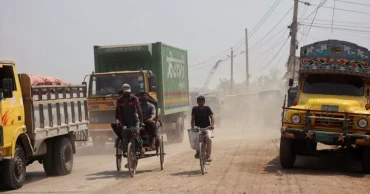
Dhaka, the overcrowded capital city of Bangladesh, has ranked ninth on the list of cities with the worst air quality with an AQI score of 165 at 9:09 am this morning (December 13, 2025).
Today Dhaka’s air was classified as ‘unhealthy’ referring to an alarming threat, according to the AQI index.
India’s Delhi, Pakistan’s Lahore and India’s Kolkata occupied the first, second and third spots on the list, with AQI scores of 577, 317, and 263 respectively.
Read more: ‘Unhealthy’ air quality persists in densely populated Dhaka
When the AQI value for particle pollution is between 50 and 100, air quality is considered ‘moderate’, usually sensitive individuals should consider limiting prolonged outdoor exertion, between 101 and 150, air quality is considered ‘unhealthy for sensitive groups’, between 150 and 200 is ‘unhealthy’, between 201 and 300 is said to be 'very unhealthy', while a reading of 301+ is considered 'hazardous', posing serious health risks to residents.
The AQI, an index for reporting daily air quality, informs people how clean or polluted the air of a certain city is and what associated health effects might be a concern for them.
The AQI in Bangladesh is based on five pollutants: particulate matter (PM10 and PM2.5), NO2, CO, SO2, and ozone.
Dhaka has long been grappling with air pollution issues. Its air quality usually turns unhealthy in winter and improves during the monsoon.
Read more: How to Reduce Air Pollution in Bangladesh?
As per World Health Organization (WHO), air pollution kills an estimated seven million people worldwide every year, mainly due to increased mortality from stroke, heart disease, chronic obstructive pulmonary disease, lung cancer, and acute respiratory infections.
9 months ago

Dhaka’s air quality 2nd worst in the world this morning
Dhaka has ranked second on the list of cities worldwide with the worst air quality with an AQI index of 250 at 8:58 am this morning (December 09, 2025).
Dhaka’s air was classified as 'very unhealthy' on Tuesday, according to the air quality index.
India’s Kolkata, Egypt’s Cairo and India’s Delhi, occupied the first, third and fourth spots on the list, with AQI scores of 262, 239 and 232 respectively.
When the AQI value for particle pollution is between 101 and 150, air quality is considered ‘unhealthy for sensitive groups’, between 150 and 200 is ‘unhealthy’, between 201 and 300 is said to be 'very unhealthy', while a reading of 301+ is considered 'hazardous', posing serious health risks to residents.
Read more: Air pollution: 5 ways to protect yourself from poor air quality
The AQI, an index for reporting daily air quality, informs people how clean or polluted the air of a certain city is and what associated health effects might be a concern for them.
The AQI in Bangladesh is based on five pollutants: particulate matter (PM10 and PM2.5), NO2, CO, SO2, and ozone.
Dhaka has long been grappling with air pollution issues. Its air quality usually turns unhealthy in winter and improves during the monsoon.
As per World Health Organization (WHO), air pollution kills an estimated seven million people worldwide every year, mainly due to increased mortality from stroke, heart disease, chronic obstructive pulmonary disease, lung cancer, and acute respiratory infections.
Read more: How to Reduce Air Pollution in Bangladesh?
9 months ago
Dhaka grappling with ‘very unhealthy’ air quality
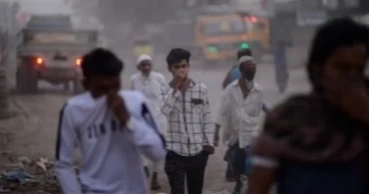
Dhaka, the overcrowded capital city of Bangladesh, has ranked second on the list of cities with the worst air quality with an AQI score of 266 at 9:45 am this morning (December 8, 2025).
Today Dhaka’s air was classified as ‘very unhealthy’ referring to an alarming threat, according to the AQI index. Such air quality persisted over the past few days, underscoring an urgent measure.
When the AQI value for particle pollution is between 50 and 100, air quality is considered ‘moderate’, usually sensitive individuals should consider limiting prolonged outdoor exertion, between 101 and 150, air quality is considered ‘unhealthy for sensitive groups’, between 150 and 200 is ‘unhealthy’, between 201 and 300 is said to be 'very unhealthy', while a reading of 301+ is considered 'hazardous', posing serious health risks to residents.
Read more: Dhaka’s air quality world’s 3rd worst this morning
Pakistan’s Lahore, India’s Delhi and Egypt’s Cairo cities respectively occupied the first, third and fourth spots on the list, with AQI scores of 408, 261, and 259 respectively.
The AQI, an index for reporting daily air quality, informs people how clean or polluted the air of a certain city is and what associated health effects might be a concern for them.
The AQI in Bangladesh is based on five pollutants: particulate matter (PM10 and PM2.5), NO2, CO, SO2, and ozone.
Dhaka has long been grappling with air pollution issues. Its air quality usually turns unhealthy in winter and improves during the monsoon.
As per World Health Organization (WHO), air pollution kills an estimated seven million people worldwide every year, mainly due to increased mortality from stroke, heart disease, chronic obstructive pulmonary disease, lung cancer, and acute respiratory infections.
Read more: How to Reduce Air Pollution in Bangladesh?
9 months ago
Dhaka’s air quality world’s 3rd worst this morning
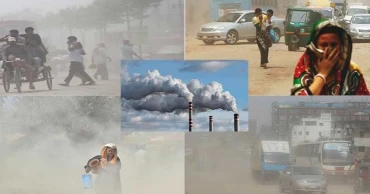
Dhaka, the overcrowded capital city of Bangladesh, has ranked third on the list of cities with the worst air quality Sunday morning (December 07, 2025).
At 10 am, Dhaka’s Air Quality Index (AQI) was recorded at 228, according to IQAir.
Pakistan’s Lahore and India’s Delhi occupied the first and second spots, with AQI scores of 300 and 260 respectively.
An AQI between 101 and 200 is considered unhealthy, particularly for sensitive groups.
Similarly, an AQI between 201 and 300 is classified as poor, while a reading between 301 and 400 is deemed hazardous, posing serious health risks to residents.
Read more: How to Reduce Air Pollution in Bangladesh?
AQI — an index for reporting daily air quality — is used by government agencies to inform people how clean or polluted the air in a particular city is, and what associated health effects may be of concern.
In Bangladesh, the AQI is based on five criteria pollutants: Particulate Matter (PM10 and PM2.5), NO₂, CO, SO₂ and Ozone.
Dhaka has long been grappling with air pollution. Its air quality usually becomes unhealthy during winter and improves during the monsoon.
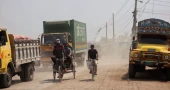
A report by the Department of Environment (DoE) and the World Bank pointed out that the three main sources of air pollution in Dhaka “are brick kilns, fumes from vehicles, and dust from construction sites”.
With the advent of winter, the city’s air quality deteriorates sharply due to the massive discharge of pollutant particles from construction work, rundown roads, brick kilns and other sources.
Read more: How Can One Person Reduce Environmental Pollution?
Air pollution consistently ranks among the top risk factors for death and disability worldwide.
Breathing polluted air has long been recognised as increasing a person’s chances of developing heart disease, chronic respiratory disease, lung infections and cancer, according to several studies.
According to the World Health Organization (WHO), air pollution kills an estimated seven million people worldwide every year, largely as a result of increased mortality from stroke, heart disease, chronic obstructive pulmonary disease, lung cancer and acute respiratory infections.
9 months ago
Dhaka’s ‘very unhealthy’ air quality persists
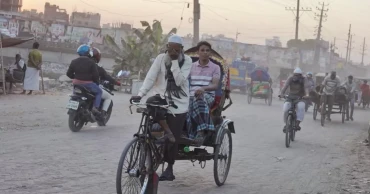
Dhaka, the overcrowded capital city of Bangladesh, has ranked the third on the list of cities with the worst air quality with an AQI score of 254 at 9:06 am this morning (December 06, 2025).
Today’s air was classified as 'very unhealthy’ and such air quality continued for the past few days, according to the AQI index.
Iraq’s Bagdad and India’s Delhi, occupied the first and second spots in the list, with AQI scores of 285 and 264, respectively.
Read more: How Can One Person Reduce Environmental Pollution?
When the AQI value for particle pollution is between 50 and 100, air quality is considered ‘moderate’, usually sensitive individuals should consider limiting prolonged outdoor exertion, between 101 and 150, air quality is considered ‘unhealthy for sensitive groups’, between 150 and 200 is ‘unhealthy’, between 201 and 300 is said to be 'very unhealthy', while a reading of 301+ is considered 'hazardous', posing serious health risks to residents.
The AQI, an index for reporting daily air quality, informs people how clean or polluted the air of a certain city is and what associated health effects might be a concern for them.
The AQI in Bangladesh is based on five pollutants: particulate matter (PM10 and PM2.5), NO2, CO, SO2, and ozone.
Dhaka has long been grappling with air pollution issues. Its air quality usually turns unhealthy in winter and improves during the monsoon.
As per World Health Organization (WHO), air pollution kills an estimated seven million people worldwide every year, mainly due to increased mortality from stroke, heart disease, chronic obstructive pulmonary disease, lung cancer, and acute respiratory infections.
Read more: How to Reduce Air Pollution in Bangladesh?
9 months ago

Dhaka breathes in the world’s worst air quality this morning
Dhaka, the overcrowded capital city of Bangladesh, has ranked first on the list of cities with the worst air quality with an AQI score of 296 at 9:50 am this morning (December 4, 2025).
Today Dhaka’s air was classified as ‘very unhealthy’ referring to an alarming threat, according to the AQI index. Such air quality persisted over the past few days.
When the AQI value for particle pollution is between 50 and 100, air quality is considered ‘moderate’, usually sensitive individuals should consider limiting prolonged outdoor exertion, between 101 and 150, air quality is considered ‘unhealthy for sensitive groups’, between 150 and 200 is ‘unhealthy’, between 201 and 300 is said to be 'very unhealthy', while a reading of 301+ is considered 'hazardous', posing serious health risks to residents.
Read more: How Can One Person Reduce Environmental Pollution?
India’s Delhi, Kolkata and Pakistan’s Lahore cities respectively occupied the second, third and fourth spots on the list, with AQI scores of 278, 233, and 199 respectively.
The AQI, an index for reporting daily air quality, informs people how clean or polluted the air of a certain city is and what associated health effects might be a concern for them.
The AQI in Bangladesh is based on five pollutants: particulate matter (PM10 and PM2.5), NO2, CO, SO2, and ozone.
Dhaka has long been grappling with air pollution issues. Its air quality usually turns unhealthy in winter and improves during the monsoon.
As per World Health Organization (WHO), air pollution kills an estimated seven million people worldwide every year, mainly due to increased mortality from stroke, heart disease, chronic obstructive pulmonary disease, lung cancer, and acute respiratory infections.
Read more: How to Reduce Air Pollution in Bangladesh?
9 months ago
Dhaka grappling with ‘very unhealthy’ air quality
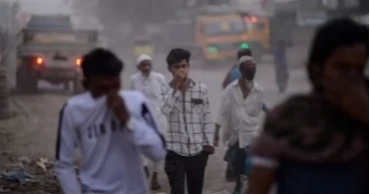
Dhaka, the overcrowded capital city of Bangladesh, has ranked second on the list of cities with the worst air quality with an AQI score of 235 at 9:50 am this morning (December 3, 2025).
Today Dhaka’s air was classified as ‘very unhealthy’ referring to an alarming threat, according to the AQI index. Such air quality persisted over the past few days.
When the AQI value for particle pollution is between 50 and 100, air quality is considered ‘moderate’, usually sensitive individuals should consider limiting prolonged outdoor exertion, between 101 and 150, air quality is considered ‘unhealthy for sensitive groups’, between 150 and 200 is ‘unhealthy’, between 201 and 300 is said to be 'very unhealthy', while a reading of 301+ is considered 'hazardous', posing serious health risks to residents.
Read more: How to Reduce Air Pollution in Bangladesh?
India’s Delhi, Pakistan’s Lahore and again India’s Kolkata cities respectively occupied the first, third and fourth spots on the list, with AQI scores of 283, 230, and 203 respectively.
The AQI, an index for reporting daily air quality, informs people how clean or polluted the air of a certain city is and what associated health effects might be a concern for them.
The AQI in Bangladesh is based on five pollutants: particulate matter (PM10 and PM2.5), NO2, CO, SO2, and ozone.
Dhaka has long been grappling with air pollution issues. Its air quality usually turns unhealthy in winter and improves during the monsoon.
As per World Health Organization (WHO), air pollution kills an estimated seven million people worldwide every year, mainly due to increased mortality from stroke, heart disease, chronic obstructive pulmonary disease, lung cancer, and acute respiratory infections.
Read more: Dhaka’s air ‘very unhealthy’ this morning
9 months ago
A rare occasion: Dhaka's air quality 'good' this morning
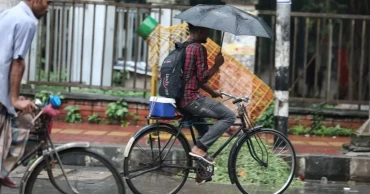
Dhaka's air quality has turned "good" due to the incessant rain triggered by Cyclone Remal.
With an air quality index (AQI) score of 38 at 9 am this morning (May 28, 2024), Dhaka anked 77th on the list of cities worldwide with the worst air quality.
When the AQI score is between 0 and 50, air quality is considered to be ‘good’, while between 50 and 100 is ‘moderate’, between 101 and 150 ‘unhealthy for sensitive groups’, between 151 and 200 is ‘unhealthy’, between 201 and 300 is said to be 'very unhealthy', while a reading of 301+ is considered 'hazardous', posing serious health risks to residents.
India's Delhi, Indonesia's Jakarta and Pakistan's Lahore occupied the first three spots on the list, with AQI scores of 216, 173 and 162, respectively.
Dhaka’s air quality turns ‘moderate’ under influence of Cyclone Remal
AQI, an index for reporting daily air quality, is used by government agencies to inform people how clean or polluted the air of a certain city is, and what associated health effects might be a concern for them.
In Bangladesh, the AQI is based on five criteria pollutants -- Particulate Matter (PM10 and PM2.5), NO2, CO, SO2 and Ozone.
Dhaka has long been grappling with air pollution issues. Its air quality usually turns unhealthy in winter and improves during the monsoon.
With the advent of winter, the city’s air quality starts deteriorating sharply due to the massive discharge of pollutant particles from construction work, rundown roads, brick kilns and other sources.
Air pollution consistently ranks among the top risk factors for death and disability worldwide. Breathing polluted air has long been recognised as increasing a person’s chances of developing a heart disease, chronic respiratory diseases, lung infections and cancer, according to several studies.
As per the World Health Organization (WHO), air pollution kills an estimated seven million people worldwide every year, largely as a result of increased mortality from stroke, heart disease, chronic obstructive pulmonary disease, lung cancer and acute respiratory infections.
Read more: Cyclone Remal: Great Danger Signal No. 10 issued for Mongla, Payra; 9 for Ctg and Cox’s Bazar
2 years ago

Publish list of pollutants: HC
The High Court on Monday ordered to publish the list of the organisations or persons responsible for polluting the environment within one week through a press release and on the website of the Department of Environment (DoE).
The HC bench of Justice Md Ashfaqul Islam and Justice Mohi Uddin Shamim passed the order and asked the authorities concerned to submit a progress report on it within two weeks after implementing the court order.
It also issued a rule asking the government to explain as to why the ineffectiveness of the responsible persons in publishing the names of people involved in pollution should not be declared illegal.
The HC issued another rule asking why directives should not be given to publish the names of the responsible persons involved in polluting the environment.
Secretaries to the Environment, Forest and Climate Change Ministry, Information Ministry, Directorate General of the Director General of the Department of Environment (DOE) and four others were made respondent to the rules which is returnable in four weeks.
Advocate Manzill Murshid stood for the petitioner.
READ: HC grants 6 months bail to accused Sylhet cop in custodial death case
Human Rights and Peace for Bangladesh filed a writ petition following a report published in different media that the authorities concerned will refrain from making the names of the organisations and persons involved in pollution in public.
The DoE must publish the names of those people or organisations involved in polluting the environment, said Manzill.
But the DoE has taken their stance on behalf of those involved in the pollution which is illegal, he said.
4 years ago