Emerging
Extent of Iran’s protests and lethal crackdown emerges amid blackout
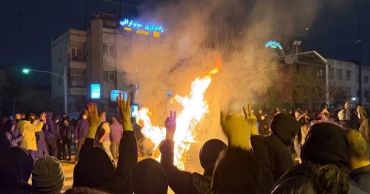
Iran is facing its deadliest crackdown on dissent since the 1979 Islamic Revolution, as authorities suppress nationwide protests with lethal force, despite cutting off internet and communication across the country.
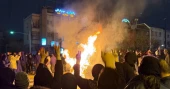
Cities and towns are filled with smoke, with fire-damaged mosques, government offices, and banks lining the streets. State media reported at least $125 million in damage across more than 20 cities. Activists say the death toll continues to rise, accusing security forces of using long-standing tactics — firing from rooftops, shooting birdshot into crowds, and deploying motorcycle-riding Revolutionary Guard volunteers to beat and detain protesters.
“The vast majority of protesters were peaceful,” said Raha Bahreini of Amnesty International. “The authorities have opened fire unlawfully, targeting crowds that included children and families.”
Protests began on Dec. 28 at Tehran’s Grand Bazaar over the collapse of Iran’s currency, the rial, and spread nationwide. Violence escalated on Jan. 8 after calls from exiled crown prince Reza Pahlavi. Deputy Interior Minister Ali Akbar Pourjamshidian said more than 400 cities were affected.
Videos show security forces, including the Basij volunteer arm of the Revolutionary Guard, using shotguns, batons, and assault rifles. Many demonstrators suffered severe injuries, including eye wounds consistent with birdshot. Iran’s Farabi Eye Hospital mobilized all available doctors to treat the injured.
Casualty reports vary: the Iranian government said 3,117 were killed, including civilians and security personnel, while the U.S.-based Human Rights Activists News Agency reported 5,137 deaths, including 4,834 protesters. State media also reported widespread damage to banks, ATMs, government buildings, and vehicles.
Amid fears of U.S. military action, an American aircraft carrier and warships are moving toward the Middle East. Observers warn that Iran could see renewed protests around Feb. 17, the 40-day mourning period for those killed. Satellite images show large numbers of mourners at Tehran’s Behesht-e Zahra cemetery, chanting against Iran’s leadership.
7 months ago

Emerging, developing countries' right to development at risk as inflation keeps rising
Rising global inflation is expected to wallop emerging and developing countries this year, adding to a confluence of crises, the UN's acting human rights chief has said.
Nada Al- Nashif cited the International Monetary Fund (IMF) forecasts that advanced economies should brace themselves for average inflation rates of 6.6 percent in 2022, well below the 9.5 percent rate expected to hit poorer nations.
She added that although the world's richest countries had seen employment rates return or exceed pre-pandemic levels by the end of 2021 most middle-income countries had not yet managed to recover from the Covid crisis.
The coronavirus had exposed and exacerbated pre-existing inequalities and set back sustainable growth by several years in many parts of the world, the acting UN rights chief told the Human Rights Council in Geneva Thursday.
Unsustainable sovereign debt burdens had also weighed down many developing nations because they had negative repercussions for providing social protection, Al-Nashif said, adding that many countries now faced unprecedented fiscal challenges because their hands had been tied by expensive loan repayments.
To make matters worse, the Russian invasion of Ukraine on 24 February had led to major human suffering inside the country, and beyond its borders.
The war had also triggered new disruption to global supply chains, contributing to skyrocketing fuel and food prices that had affected women and girls disproportionately, Al-Nashif said.
According to the World Bank, 75 to 95 million more people are expected to live in extreme poverty this year, compared to pre-pandemic projections.
The confluence of crises has created spin-off effects on food and nutrition, health and education, the environment, peace and security, further undermining progress toward the realisation of the 2030 Agenda and jeopardising sustainable recovery from the pandemic, Al-Nashif said.
4 years ago