social media accounts
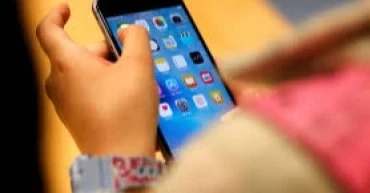
Texas effort to ban social media for minors loses steam as legislative deadline nears
A proposed ban on social media accounts for minors under 18 in Texas has stalled, as state lawmakers failed to hold a critical vote ahead of a looming deadline, likely ending the push for what would have been one of the strictest measures of its kind in the U.S.
The bill, which had already passed the Republican-led Texas House, sought to go beyond Florida’s restrictions on social media use by children under 14. By comparison, Australia has implemented a ban on users under 16.
However, momentum behind the Texas legislation faltered in the state Senate late in the session, with lawmakers facing a weekend deadline to pass bills and send them to Republican Governor Greg Abbott. Abbott has not publicly expressed support or opposition to the proposal, which drew strong resistance from tech industry groups and free speech advocates, who argued it would violate constitutional rights.
“This bill was the best way to protect children in this state,” said Republican Representative Jared Patterson, who sponsored the legislation, on Wednesday.
The Texas legislative session concludes on Monday, leaving little time for the bill to advance. If enacted, the measure would have marked another major attempt by states to regulate when and how minors access social media.
Texas is home to a growing number of major tech firms, including Elon Musk-owned X (formerly Twitter). Earlier this week, Governor Abbott signed a separate bill into law requiring Apple and Google to verify users' ages in app stores and obtain parental consent for minors to download apps or make in-app purchases — a move similar to legislation passed in Utah earlier this year.
The proposed Texas social media ban is part of a broader, bipartisan effort across the U.S. to curb the harmful effects of social media on children. Critics accuse tech platforms of using addictive features to hook young users, failing to prevent exposure to harmful content, and inadequately addressing online abuse.
A December 2024 Pew Research Center report found that nearly half of American teens report being online "constantly," despite growing concerns about the mental health impact of excessive screen time and social media use.
The American Psychological Association has urged both lawmakers and tech companies to take steps to protect young users, warning that social media poses significant risks to children and teens who struggle with impulse control and the ability to disconnect.
Various states and countries have attempted to implement similar safeguards, though not all efforts have withstood legal scrutiny. In 2024, a federal judge temporarily blocked Utah’s groundbreaking law that required social media companies to verify user ages and impose limitations on minors' accounts.
California, home to many of the world’s biggest tech companies, will ban platforms from offering addictive feeds to children without parental permission starting in 2027. Meanwhile, a new law in New York allows parents to prevent algorithm-driven content suggestions from reaching their children on social media platforms.
1 year ago

China suspends social media accounts of over 1,000 critics of govt’s Covid-19 policies
China has suspended or closed the social media accounts of more than 1,000 critics of the government’s policies on the COVID-19 outbreak, as the country moves to further open up.
The popular Sina Weibo social media platform said it had addressed 12,854 violations including attacks on experts, scholars and medical workers and issued temporary or permanent bans on 1,120 accounts.
The ruling Communist Party had largely relied on the medical community to justify its harsh lockdowns, quarantine measures and mass testing, almost all of which it abruptly abandoned last month, leading to a surge in new cases that have stretched medical resources to their limits. The party allows no direct criticism and imposes strict limits on free speech.
The company “will continue to increase the investigation and cleanup of all kinds of illegal content, and create a harmonious and friendly community environment for the majority of users," Sina Weibo said in a statement dated Thursday.
Criticism has largely focused on open-ended travel restrictions that saw people confined to their homes for weeks, sometimes without adequate food or medical care. Anger was also vented over the requirement that anyone who potentially tested positive or had been in contact with such a person be confined for observation in a field hospital, where overcrowding, poor food and hygiene were commonly cited.
The social and economic costs eventually prompted rare street protests in Beijing and other cities, possibly influencing the party's decision to swiftly ease the strictest measures.
Read more: China reduces COVID-19 case number reporting as virus surges
China is now facing a surge in cases and hospitalizations in major cities and is bracing for a further spread into less developed areas with the start of the Lunar New Year travel rush, set to get underway in coming days. While international flights are still reduced, authorities say they expect domestic rail and air journeys will double over the same period last year, bringing overall numbers close to those of the 2019 holiday period before the pandemic hit.
The Transportation Ministry on Friday called on travelers to reduce trips and gatherings, particularly if they involve elderly people, pregnant women, small children and those with underlying conditions.
People using public transport are also urged to wear masks and pay special attention to their health and personal hygiene, Vice Minister Xu Chengguang told reporters at a briefing.
Nonetheless, China is forging ahead with a plan to end mandatory quarantines for people arriving from abroad beginning on Sunday.
Beijing also plans to drop a requirement for students at city schools to have a negative COVID-19 test to enter campus when classes resume Feb. 13 after the holiday break. While schools will be allowed to move classes online in the event of new outbreaks, they must return to in-person instruction as soon as possible, the city education bureau said in a statement Friday.
However, the end to mass testing, a lack of basic data such as the number of deaths, infections and severe cases, and the potential emergence of new variants have prompted governments elsewhere to institute virus testing requirements for travelers from China.
The World Health Organization has also expressed concern about the lack of data from China, while the U.S. is requiring a negative test result for travelers from China within 48 hours of departure.
Chinese health authorities publish a daily count of new cases, severe cases and deaths, but those numbers include only officially confirmed cases and use a very narrow definition of COVID-related deaths.
China has said the testing requirements aren’t science-based and has threatened unspecified countermeasures. Its spokespeople have said the situation is under control, and reject accusations of a lack of preparation for reopening.
If a variant emerges in an outbreak, it is found through genetic sequencing of the virus.
Since the pandemic started, China has shared 4,144 sequences with GISAID, a global platform for coronavirus data. That’s only 0.04% of its reported number of cases — a rate more than 100 times less than the United States and nearly four times less than neighboring Mongolia.
Read more: Is China sharing enough COVID-19 information?
Meanwhile, Hong Kong also plans to reopen some of its border crossings with mainland China on Sunday and allow tens of thousands of people to cross every day without being quarantined.
The semi-autonomous southern Chinese city has been hard-hit by the virus and its land and sea border checkpoints with the mainland have been largely closed for almost three years. Despite the risk, the reopening is expected to provide a much-needed boost to Hong Kong’s tourism and retail sectors.
3 years ago