precious metal
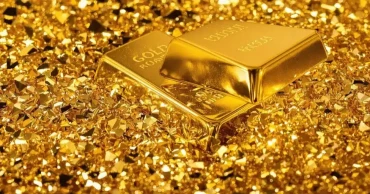
Gold prices hit fresh record in Bangladesh within 24 hours
Gold prices in Bangladesh have surged again within 24 hours, setting a new all-time high as the Bangladesh Jewellers Association (BAJUS) on Monday (December 22, 2025) raised the price of 22-carat gold by Tk 3,966 per bhori.
With the latest adjustment, the price of 22-carat gold has been fixed at Tk 222,083 per bhori (11.664 grams), the highest ever in the country’s history.
In a notification issued on Monday night, BAJUS said the price of pure gold (tejbai) has increased in the local market.
Considering the overall situation, the association decided to revise gold prices, which will come into effect from Tuesday morning (December 23, 2025).
Read more: What Does Gold Carat Mean? Decoding Gold Purity Levels
According to the new rates, 21-carat gold will cost Tk 211,993 per bhori, 18-carat gold Tk 181,725 per bhori, while gold under the traditional method has been priced at Tk 151,399 per bhori.
In addition to the selling price, buyers will have to pay a mandatory 5 percent VAT set by the government and a minimum 6 percent making charge fixed by BAJUS.
However, the making charge may vary depending on the design and quality of the jewellery, the association said.
BAJUS last revised gold prices on Sunday, when it raised the price of 22-carat gold by Tk 1,050 per bhori to Tk 218,117 — then the highest price ever recorded in the country.
So far this year, gold prices have been adjusted 88 times in the domestic market, with prices increased on 61 occasions and reduced 27 times.
Read more: Gold prices hit record high in Bangladesh
Silver prices have also been increased this time. The price of 22-carat silver has been raised by Tk 385 to Tk 4,957 per bhori.
Under the new rates, 21-carat silver will cost Tk 4,724 per bhori, 18-carat silver Tk 4,082 per bhori, and silver under the traditional method Tk 3,033 per bhori.
8 months ago
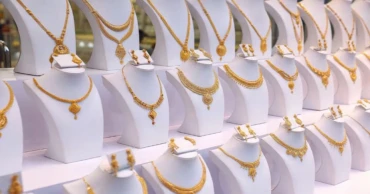
Gold price drops by Tk 5,447 per bhori at week’s start
After four consecutive hikes, the Bangladesh Jewellers Association (BAJUS) has reduced gold prices by Tk 5,447 per bhori, bringing the new rate for 22-carat gold to Tk 208,272 per bhori.
The revised prices will take effect from Sunday, the association said in a statement on Saturday night (November 15).
BAJUS said the price cut follows a decline in the local market rate of pure (tejabi) gold, prompting a fresh adjustment based on overall market conditions.
What Does Gold Carat Mean? Decoding Gold Purity Levels
As per the new pricing, one bhori (11.664 grams) of 22-carat gold will cost Tk 208,272.
Meanwhile, 21-carat gold will be sold at Tk 198,801 per bhori, 18-carat at Tk 170,399, and traditional method gold at Tk 141,718 per bhori.
The association noted that a mandatory 5% government-set VAT and a minimum 6% making charge set by BAJUS must be added to the selling price, though making charges may vary depending on design and craftsmanship.
DB cracks Fortune Mall gold heist, recovers 190 bhori gold; 4 arrested
With this latest adjustment, gold prices have been revised 77 times this year—53 increases and 24 decreases.
Despite the drop in gold prices, silver rates remain unchanged, with 22-carat silver selling at Tk 4,246 per bhori.
10 months ago
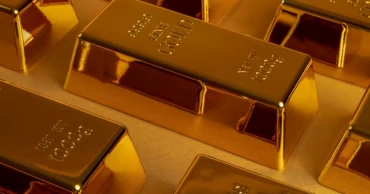
What Does Gold Carat Mean? Decoding Gold Purity Levels
Grasping the real worth of gold starts with understanding what 'gold carat (karat)' means – a measure that reveals how much pure gold lies beneath its polished surface. This proportion of gold blended with other metals ultimately shapes the metal’s quality, character, and purpose. It distinguishes the brilliance of fine jewellery from the strength of everyday pieces. Let’s explore this spectrum by comparing the different types of gold carats (karats) to see how purity levels influence both beauty and practicality.
What is Carat (Karat)? Essence of Gold’s Measurement
Gold’s fineness – more commonly referred to through its carat value – serves as a precise indicator of purity. Since genuine gold is naturally soft and malleable, it cannot endure frequent wear or pressure without losing its shape. To strengthen it for practical use in jewellery, utensils, and coinage, gold is typically blended with small portions of other metals like silver, copper, or nickel. These combinations add durability, colour tone, and overall value, creating a delicate balance between beauty and resilience.
Each carat represents one twenty-fourth of the total composition – meaning every unit reflects 4.1667% purity. For instance, a 14-carat piece contains fourteen parts gold mixed with ten parts alloy, while a 24-carat piece stands as the benchmark of purity, free from any metallic additions.
Read more: Gold Investment in Bangladesh in 2025: Safe Haven or Risky Bet?
Comparative Analysis of Different Types of Gold Carats (Karats)
Gold’s purity scale varies widely, giving each carat grade its own visual tone, strength, and value. The following comparison explores how different carat levels influence the metal’s appearance and its suitability for daily wear and investment.
Type
Durability
Color Tone
Gold Fraction
Hallmark
Purity (%)
Common Uses
24K
Very soft, scratches and bends easily
Bright, rich yellow/orange hue
24/24
999
99.9 or Higher
Investment (coins, bars), electronics, medical devices, ceremonial items
22K
More durable than 24K, but still soft
Rich, vibrant yellow, slightly less intense than 24K
22/24
916
91.6
Traditional jewelry, special occasion pieces, bangles, necklaces
21K
Moderate/Soft; more durable than 22k
Very rich, deep yellow tone
21/24
875
87.5
Traditional jewelry (like bangles and necklaces)
20K
Moderate Durability; softer than 18k
Rich, deep yellow tone, close to pure gold's appearance
20/24
833
83.3
High-quality, vintage, and special jewelry
18K
Good balance of purity and durability; prone to scratches
Rich, warm yellow; available in white and rose gold
18/24
750
75.0
Fine jewelry, engagement rings, wedding bands, and high-end watches, suitable for daily wear with care
15K
Durable
Warm, rich yellow tone, but still slightly less intense than 18k
15/24
625
62.5
Historically used in vintage jewelry; less common in modern production
14K
Highly durable, resistant to wear and tear
Warmer yellow, but slightly paler than 18K; available in white and rose gold
14/24
583
58.3
Most popular for everyday jewelry (engagement rings, earrings, bracelets), active lifestyle wear
12K
Durable
Medium yellow color
12/24
500
50.0
Often used in industrial applications, older jewelry, and items like watch cases
10K
Most durable and resistant to damage
Light/pale yellow, less vibrant
10/24
417
41.7
Budget-friendly, sturdy pieces for heavy use, like simple chains and rings
9K
Highly Durable/Hard; resistant to scratches
Lighter yellow tone; can tarnish slightly more than higher carats
9/24
375
37.5
Widely used for everyday jewelry; popular for wedding bands and items needing resilience
8K
Very Durable/Hard, but can be brittle; prone to tarnishing
Pale yellow, less rich than higher carats
8/24
333
33.3
Budget-conscious jewelry and items
6K
Very Durable/Hard, can be more brittle
Very pale yellow; often needs surface treatment or plating to achieve a richer color
6/24
250
25.0
Primarily found in extremely budget-friendly or mass-market items; Uses are very limited
Read more: Gold Buyer's Guide: Know the types, colors, karats of the precious metal
10 months ago
Silver Investment Profit Potentials in Bangladesh in 2025: Opportunity or Risk?
Silver has reached a record-high price in Bangladesh this month, marking one of the strongest rallies the market has seen in 2025. This surge has turned silver investment into a serious conversation among general buyers, traders and long-term wealth planners. Let’s look at how the silver price has risen in 2025 so far and whether now is the best time to invest in silver.
Silver Price Rising Trend in 2025
According to recent data released by the Bangladesh Jewellers Association (BAJUS), silver prices have witnessed a remarkable climb throughout 2025. It breaks previous records in multiple categories – 22 Karat, 21 Karat, 18 Karat, and Traditional – reflecting a year-long progression in value.
Table: Category-wise Silver Price Rates as per BAJUS in 2025
Date
Category-wise Price Rates (BDT/Vori)
22 Karat
Cadmium (Hallmarked)
21 Karat
Cadmium (Hallmarked)
18 Karat
Cadmium (Hallmarked)
Traditional
October 14, 2025
6206
5914
5074
3803
September 18, 2025
3476
3313
2847
2135
August 27, 2025
2812
2683
2298
1727
July 8, 2025
2812
2683
2298
1727
June 15, 2025
2812
2683
2298
1727
May 22, 2025
2812
2683
2298
1727
April 23, 2025
2847
2718
2333
1750
March 19, 2025
2578
2450
2112
1587
February 10, 2025
2578
2450
2112
1587
January 22, 2025
2578
2450
2112
1587
.
Read more: 5-Year Bangladesh Sanchayapatra 2025: Revised Profit Rates
Silver market rates in Bangladesh remained mostly stable during the first eight months of 2025, followed by a sharp upswing from September onwards. The 22 Karat rate held around BDT 2,578 per vori early in the year, with minor movement until April’s BDT 2,847, then steadied again through August. A sudden leap to BDT 3,476 in September and a dramatic climb to BDT 6,206 by October marked the pinnacle of this year’s market rise.
Similarly, each vori of 21-karat silver hovered between BDT 2,450 and BDT 2,718 until August, before spiking to BDT 3,313 in September and BDT 5,914 in October. The 18 Karat category stayed near BDT 2,112 through March and BDT 2,298 midyear, then rose to BDT 2,847 and finally BDT 5,074 by October. Traditional silver followed a steadier curve, moving from BDT 1,587 in early 2025 to BDT 1,750 in April, holding steady through August. Then, it jumps to BDT 2,135 in September and now to BDT 3,803.
Overall, all categories showed remarkable late-year growth, suggesting heightened demand and market adjustments influenced by global price pressures and local currency shifts.
Is Now the Right Time to Invest in Silver?
.
Global Market Influence
Silver’s recent price momentum is deeply tied to structural global demand, playing a crucial role in industrial innovation. The metal is essential for manufacturing solar panels, electric vehicles, and even components used in artificial intelligence (AI) systems. As these sectors expand, particularly the clean energy transition, the pressure on silver supply is intensifying.
Production levels haven’t caught up with the pace of industrial consumption, and major mining regions are already signalling reduced output. Therefore, the rising technological dependence and tightening supply point toward a medium-term bullish case for silver. This makes current prices, though elevated, still favourable for long-term investors seeking entry before demand outpaces availability further.
Read more: Gold Buyer's Guide: Know the types, colors, karats of the precious metal
Classic Supply-Demand Impact
The spot market has been showing signs of tightening, with refineries and traders reporting limited physical supply. This scarcity is naturally pushing prices upward. For local investors, silver’s appeal is also growing because it remains a more attainable option compared to gold. Everyday jewellery buyers and small investors have increasingly turned to silver as gold’s price continues to surge beyond affordability.
Globally, this persistent demand imbalance is fuelling a structural tailwind for prices. Even minor supply disruptions could amplify price gains, making silver a particularly attractive hedge in times of inflation or currency depreciation. In essence, the ongoing shortage is an opportunity for strategic investors.
Safe-Haven Demand
In times of economic and geopolitical instability, silver, like gold, becomes a safe-haven asset. The current investment climate, marked by currency fluctuations and uneven stock market performance, has made precious metals increasingly appealing. Yet, silver offers a distinctive advantage: it’s comparatively undervalued when assessed through the Gold-to-Silver Ratio (GSR).
GSR = Gold Price ÷ Silver Price
= BDT 2,13,720 ÷ BDT 6,206 ≈ 34.4 (For October, 2025)
A ratio above 34 indicates that gold is over thirty-four times more expensive than silver per vori. This ratio offers Bangladeshi investors greater upside potential, making silver not only a protective asset but also a tactical play for value appreciation.
Read more: Paribar Sanchayapatra 2025: Revised profit rates of Family Savings Certificate in Bangladesh
Drawback of Price Fluctuation
Volatility is a natural part of the silver market, and its recent price surge illustrates how fast momentum can shift. However, the short-term (like throughout a month) volatility is not a big fall for investors with a medium- or long-term horizon.
In other words, price swings might create anxiety for speculative traders, but for those viewing silver as a strategic allocation, they offer entry opportunities.
Good Reselling Value – Will the Rise Continue?
The continuation of silver’s upward trajectory seems increasingly plausible. Across the year, prices have shown consistent growth with no notable dips – an encouraging sign for both short- and long-term traders. The global narrative favouring precious metals remains intact: inflation concerns and rising industrial demand all reinforce bullish sentiment.
Moreover, first-time buyers have been entering the silver market at a record pace, boosting liquidity and confidence. For Bangladesh, this means silver retains strong resale potential, especially if global economic uncertainty persists. All in all, the industrial relevance, supply constraints, and investor enthusiasm suggest that silver’s rally still has meaningful distance to run.
Read more: Gold Investment in Bangladesh in 2025: Safe Haven or Risky Bet?
Verdict
The investment decision in silver in Bangladesh in 2025 stands at a defining moment. The price of 22-Karat hallmarked silver surged to BDT 6,206, while the 21-Karat price climbed to BDT 5,914. Meanwhile, 18 Karat silver reached BDT 5,074, and the Traditional category rose to BDT 3,803. This dramatic spike reflects tightening supply, soaring industrial demand, and rising safe-haven interest. Given these fundamentals, silver presents a strategic long-term opportunity. For investors seeking value beyond gold, 2025 may well be the year silver shines brightest.
11 months ago
Top 10 Most Valuable Metals in the World in 2023
The beauty of the natural world lies not only in its breathtaking landscapes but also in the hidden treasures it holds beneath the surface. Mother nature has gifted us with a wide array of precious metals that have captivated humanity for centuries. Among these treasures, some metals stand out for their rarity, durability, and exceptional properties. These metals possess unique qualities and characteristics that make them highly valuable and sought-after.
What Can Make a Metal Precious?
Precious metals possess a set of distinctive characteristics that set them apart from common metals. These characteristics include rarity, high economic value, resistance to corrosion, and desirable physical properties such as lustre and malleability.
Precious metals often find applications in various industries, including jewellery, electronics, automotive, aerospace, and medicine. Their scarcity and high demand contribute to their value, making them desirable commodities for investors and collectors alike.
Read more: Gold vs Diamond: Which Should You Choose for Investment?
What are the Top 10 Most Expensive Metals in the World?
In this article, we will explore the top 10 most valuable metals in the world in 2023. From their specific features to their diverse applications, each of these metals holds a significant place in various industries and investment portfolios.
Iridium
Iridium (Ir) is denoted by the symbol Ir and holds the position of atomic number 77. In 1803, while studying platinum, British scientist Smithson Tennant analysed the insoluble residue and identified it as a new metal. In recent times, iridium has been primarily mined in South Africa, Russia, and Canada.
3 years ago
Gold vs Diamond: Which Should You Choose for Investment?
Are you considering investing in precious materials but unsure whether to choose gold or diamonds? Understanding their key differences is crucial when making investment decisions. In this article, we will weigh in on the benefits and shortcomings of both gold and diamonds. By the end, you'll have the insights you need to determine which investment aligns best with your financial goals and risk appetite.
Advantages of Investing in Gold
Safe-Haven Asset:
Gold is often considered a safe-haven asset during economic uncertainties and market volatility. It tends to retain its value and can act as a hedge against inflation and currency fluctuations.
Diversification Benefits:
Adding gold to an investment portfolio can provide diversification benefits, as it typically has a low correlation with other assets like stocks and bonds. This can help reduce overall portfolio risk.
Read more: Gold Buyer's Guide: Know the types, colors, karats of the precious metal
Tangible Asset:
Gold is a physical asset that you can hold in the form of coins, bars, or jewellery. This tangibility can provide a sense of security and ownership compared to other investments like stocks or bonds.
3 years ago
Gold Buyer's Guide: Know the types, colors, karats of the precious metal
As an ornament, gold has been cherished for centuries due to its inherent beauty and lustrous appeal. Often the word jewelry synonyms gold. Even sometimes gold is related to religious beliefs. Gold can be a valuable resource too. Gold is a highly conductive metal and is used in different types of applications. For instance, gold is used in dentistry for its biocompatibility and resistance to corrosion. Even gold is used in electronic systems and space exploration because it is reliable and durable.
Gold has been a popular investment for centuries. Its value mostly follows an upward trend during times of economic growth. Gold is a tangible asset that is not subject to inflation or government control.
Different Types of Gold Used in Jewelry
Though gold is always a precious metal, the value and quality of gold jewelry differ based on its manufacturing process. Here are some types:
Gold Plated
Gold-plated jewelry is the most affordable option and is made by covering a base metal like brass or copper with a thin layer of gold. The gold layer can be as little as 0.05% or less and may fade or tarnish over time. Gold-plated jewelry is produced in many countries, including China, India, Thailand, and the United States.
Read more: Gold’s Shiny Secret: How to clean gold jewelry right way
Gold-Filled
Gold-filled jewelry is made by bonding a solid layer of gold to a base metal like brass, with nearly 100 times more gold than gold-plated jewelry. This process results in a more durable piece of jewelry that won't rub off. Gold-filled jewelry is commonly produced in the United States, Italy, and Turkey.
Gold Vermeil
Gold vermeil jewelry features a sterling silver base coated in a thick layer of gold plating, typically 2.5 microns thick. The gold plating is done through the electroplating process, and the resulting piece is more durable than gold-plated jewelry. Gold vermeil jewelry is commonly produced in countries such as the United States, Italy, and France.
Solid Gold
When the jewelry is made of gold metal with no other base metal, it is called solid gold jewelry. Not to mention, it is the best type of gold jewelry.
Read more: Is Gold a Good Investment?
However, the solid gold jewelry comes in various karats. High karat golds offer more purity, and quality in exchange for a higher price tag. Solid gold jewelry is produced in many countries worldwide, including China, South Africa, Australia, the United States, and Canada.
The value of each type of gold can vary depending on several factors such as its purity, rarity, and demand in the market. Solid gold will always be the most expensive due to its high purity and lack of base metals.
Gold-filled and gold vermeil feature higher quality and are more expensive than gold-plated jewelry. But they are more budget-friendly than solid gold made jewelry. Solid gold made jewelry is the most expensive one as it offers better quality than gold-filled and gold vermeil jewelry. Gold-plated jewelry is the most affordable option, but its gold content is minimal, which affects its durability and longevity.
Read more: Is Sanchayapatra a Good Investment in 2023?
3 years ago