Safety Tips
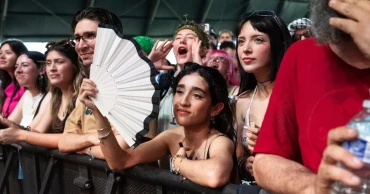
Safety tips for enjoying a musical show
Music festival season has arrived: a time to gather outside with friends, listening to tunes, dancing, and maybe even getting the chance to rub shoulders with musicians you love.
“Live music nourishes your soul and makes you feel truly alive,” says Chris Bro, host of the “Next” radio show in Maryland and a longtime fan of music festivals.
Making the most of the experience also means planning ahead for potential hazards like heat, dehydration and more, say regular festivalgoers and the medical pros who care for them.
The good news is music festivals are safer than ever, thanks to increased focus on on-site medical staff and equipment, says Matt Friedman, national medical director at CrowdRx, which provides medical care at over 20 major music festivals around the country each year.
Different festivals, different risks
Different types of festivals tend to have different types of medical emergencies, Friedman says. Much depends on the type of music, the length of the festival and the heat.
"Jazz music festivals tend have a low medical-usage rate, whereas a heavy metal event will have more blunt traumas from mosh pits and alcohol-related incidents,” he says.
Electronic dance music festivals tend to have friendly crowds, some of whom "occasionally overindulge or make poor decisions regarding stimulant drugs,” Friedman says. Classical music festivals, meanwhile, tend to have more cardiac events, given the older average age of attendees.
“You want to have fun, but it’s really important to stay aware,” says Armelle Gloaguen, a musician who attended classic festivals like Clearwater, founded by Pete Seeger, and Woodstock ’94.
“Be there for the music, not the drugs and alcohol, if you want to remember any of it. Don’t accept food or drinks from strangers, and be aware of your limits,” advises Gloaguen, who owns “Armelle for Kids,” which seeks to bridge cultures through music.
Know the rules, and download the app
Festivals' rules vary, so before you head out, check the parking situation and the list of what you can bring.
For instance, Coachella, the annual festival in Indio, California, doesn’t allow chairs, outside food or umbrellas. At Tanglewood, in western Massachusetts, attendees are welcome to bring chairs and picnics, and umbrellas are fine; they just can’t be over 6 feet across.
Download a festival's app and bring a portable phone charger.
Once there, scope out the terrain. Keep an eye out for the nearest cooling station and medical tent as you figure out where to sit.
Handling the heat
“First and foremost, we see a lot of heat-related illnesses, since temperatures in the desert can get pretty high and rise quickly,” says Julie Puzzo, assistant medical director of the emergency department at JFK Memorial Hospital, near Coachella.
“We see everything from heat cramps to heat stroke, which can be life threatening,” she says.
Hydrate consistently with electrolyte-containing beverages, she says.
Wear layers, a hat and other protective clothing, and avoid excessive alcohol. Opt for non-aerosol sunscreen, since many festival venues ban aerosol sprays.
Festivals where heat is an issue are sometimes equipped with mobile cold-water immersion tanks to cool people down quickly, Friedman says.
At multiday festivals, malnutrition can also be an issue, he says. “People are running on adrenaline for the first two days, but by day three they realize they are dehydrated and exhausted and haven’t eaten nutritious food since they arrived, and this exacerbates any other conditions they might have.”
His top safety tip: Stick with your friends so you can watch out for one another.
Leave sandals, heels and flip-flops at home
Both doctors urge attendees to wear comfortable, closed-toe shoes, since attending a festival can involve more walking that you might expect. And it’s easy to happen upon small stones or other sharp objects on the grounds.
“Trips and falls are common, and we see a lot of sprains and foot contusions,” says Friedman.
Glasses, ear plugs, maybe an inhaler
For anyone susceptible to respiratory problems, it’s a good idea to bring a backup inhaler, since dust-filled wind gusts can exacerbate breathing issues, Puzzo says.
Eye problems like corneal abrasions are not uncommon at festivals, says Friedman, who recommends bringing large sunglasses or even goggles if it’s likely to be dusty.
Outdoor venues can get buggy, too, so consider insect repellent.
Protect your ears by not standing too close to speakers, and bring earplugs, says Greta Stamper, an audiologist at Mayo Clinic in Jacksonville, Florida.
“It is also helpful to take listening pauses during festivals to allow your ears an opportunity to take a break. Having some quieter moments during the day can help your ears recover,” she says.
If you notice that your hearing is muffled or your ears start ringing, your ears are telling you it's too loud, Stamper says.
And if you’re coming with kids, give them added protection with over-the-ear headphones, not just earplugs, Friedman says.
Pace yourself
“Musical festivals are a marathon, not a sprint, so be sensible and take care of yourself,” Friedman says.
As you kick back with friends, it’s easy to have a few drinks too many as the day wears on. Puzzo warns that drugs acquired at some big events might not contain what people think they do. This can be dangerous in any case, and is even more so if combined with extreme heat and alcohol.
Embrace the moment
Don't forget, though, to find joy in the music and the scene.
Enjoy the unexpected, and making connections.
“If you want to talk to your favorite musician, the most meaningful thing you can do is to thank them and talk about a specific song you love and why,” says Gloaguen.
6 months ago
Thunderstorm Lightning in Bangladesh: Causes, Risks, and Safety Tips
Bangladesh experiences a diverse kind of natural disaster almost every year. Thunderstorm lightning is one of the most common and deadly hazards among them. Every year, many people and livestock lose their lives and get injured due to lightning strikes, especially during the rainy season. Between 1990 and 2016, lightning caused an average of 114 deaths each year in Bangladesh. In 2016, lightning was nationally declared a natural disaster in the country.
However, thunderstorm lightning-related deaths and injuries can be prevented if people know what to do and take simple safety steps. Let’s learn more about what lightning is, why it happens so often in Bangladesh, and how to stay safe.
What Is Thunderstorm Lightning and How Does It Happen?
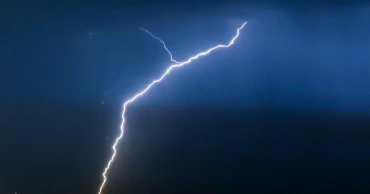
Lightning is a bright flash of electricity that appears in the sky during a storm. It’s part of a weather event called a thunderstorm, which involves water, air, and electricity. That's why it is called a hydrometeorological disaster.
Inside thunderclouds, tiny pieces of ice and water bump into each other and move around quickly. This movement causes the cloud to build up electric charges; some parts become positive and others become negative. When the difference between these charges becomes too strong, the energy is released as a sudden spark called lightning.
Read more: Rema–Kalenga Wildlife Sanctuary in Habiganj: A Comprehensive Travel Guide
This lightning can move between clouds, inside the same cloud, or between the cloud and the ground. The air around it gets extremely hot in a very short time, making the air expand quickly. This expansion creates the loud sound is known as thunder.
Why is Bangladesh Prone to Thunderstorms and Lightning?
Bangladesh experiences more lightning than most other countries in the world. The highest number of lightning strikes usually happens during the pre-monsoon (March–May) and monsoon (June–September) seasons.
There are several reasons for this:
Weather Patterns:
Bangladesh has a tropical climate that is hot and humid. During the pre-monsoon season, warm air from the south meets cold air from the north. This mix creates strong thunderstorms. The hot temperatures and high humidity help form tall clouds that can produce lightning.
Read more: How Green Industries Can Reduce River Water Pollution in Dhaka City
Climate Change:
Climate change is making lightning more frequent. As the Earth becomes warmer, more water evaporates into the air, creating bigger and more active storm clouds. Scientists say that lightning strikes have increased because of global warming and that they are becoming stronger and more violent.
Geography and Terrain:
Bangladesh’s location and land features also make it more vulnerable. It lies between the Bay of Bengal, the Indian subcontinent, and the Meghalaya Plateau, all of which affect its weather.The northeastern region, especially Sylhet, has hills and wetlands that receive a lot of rainfall and moisture, making lightning more likely. The southeast coastal areas and southwest regions also face frequent storms, especially when cyclones form in the Bay of Bengal.
Why Are Lightning Deaths Increasing in Bangladesh?
Lightning deaths are rising for several reasons.
Most people who die from lightning are farmers or outdoor workers who work in open fields. During the pre-monsoon season, especially in Boishakh (April–May), lightning becomes more common because of hot temperatures, dusty air, and pollution.
Read more: Can Green Buildings in Bangladesh Create Opportunities for Carbon Trading?
Most lightning accidents happen in the afternoon, when people are outside working. Men are more affected because they spend more time in the fields.
Even though lightning can strike anywhere, rural areas are the most affected. Bangladesh has a high population density, meaning many people live close together, which increases the risk.
Another big reason for the high number of deaths is a lack of awareness. Many people don’t know how dangerous lightning can be or what to do when a thunderstorm starts. Some even follow false beliefs instead of real safety practices.
Read more: What Can Dhaka Learn from the Smart City Singapore
Preventive Measures Against Lightning Fatalities in Bangladesh
Avoiding danger is the best way to stay safe. Here are some important steps to reduce lightning risks in Bangladesh:
Strategic Lightning Safety Plan
The government, local authorities, and organisations should work together to make a national lightning safety plan. This plan should include appropriate measures to:
- Build safe shelters.
- Spread awareness through campaigns and social media.
- Train local leaders, teachers, and health workers to teach lightning safety.
- Share weather warnings and updates quickly through apps and media.
Besides these, the Bangladesh National Building Code also requires buildings to have lightning protection systems.
Read more: What is Carbon Trading? How does it work?
Build Lightning-Safe Structures
Installing earthing systems (grounding wires that carry electricity safely into the ground) is one of the best ways to protect buildings and people.
This can be done by burying copper or steel rods in the ground and connecting them to metal parts of a building or structure. Boats can also be made safer by adding lightning rods and grounding devices.
Use the BMD Weather App
The Bangladesh Meteorological Department (BMD) has a smartphone app that gives weather forecasts and storm warnings. People can use this app to check if thunderstorms are likely and plan their outdoor work accordingly.
To increase awareness, schools, NGOs, and community leaders can organise workshops, campaigns, and public announcements about using the BMD app.
Read more: Top Strategies to Enhance Fire Resilience in Dhaka City
Identify Vulnerable Communities
Communities need to find out who is most at risk, such as farmers, construction workers, and fishermen, and ensure they have nearby safe shelters during storms.
Local authorities can study which areas face more lightning and plan protective measures like building shelters and installing grounding systems.
Read more: Green Roofs in Dhaka City: Pathway to Smart Urban Agriculture
Teach the 30:30 Rule
The 30:30 formula is an easy way to judge lightning distance and danger:
If one sees lightning and hears thunder within 30 seconds, it means the storm is close, and one should find shelter immediately.
Stay indoors for at least 30 minutes after the last thunder.
Farmers, fishermen, and schoolchildren should be taught this rule. They should also wear rubber shoes or use wooden or plastic tools while working outdoors.
Read more: Organizational strategies to minimize earthquake damages in Dhaka City
Create Public Awareness
People need to learn how to stay safe during lightning storms.Local organisations can arrange folk songs, dramas, and storytelling to spread messages in villages. Schools can host seminars, distribute leaflets, and teach students safety tips. Posters and billboards can show safety instructions in public places.
Television, radio, and newspapers can share lightning safety information and stories of real incidents to help people understand the danger.
Plant Palm Trees
Palm trees naturally attract lightning, which helps protect nearby people and buildings. Unfortunately, many have been cut down because of urban development. The government started a programme in 2017 to plant more palm trees in rural areas. Communities can be encouraged to do this by engaging local agricultural officers, organising tree-planting campaigns and teaching students about their importance.
Read more: Flood Control and How to Minimise Losses
Personal Safety Tips During Thunderstorm Lightnings
Here are some simple ways to stay safe from lightning strikes during a thunderstorm:
- The safest place is inside a closed building.
- A car with a metal roof is also safe.
- Keep doors and windows closed and stay away from metal objects, water, and electrical items.
- Avoid open areas, high places, tall trees, and small shelters like huts.
- Never stand under a single tree, as it increases the chance of being struck.
- Don’t use telephones or electrical appliances during a storm.
- If one can’t find shelter, one needs to crouch low to the ground and avoid contact with the ground as much as possible.
- In forests, stay in low areas with small trees close together.
- If one stays on the water during a thunderstorm, then one should come to the nearby land immediately. It is recommended to avoid swimming or boating during lightning strikes.
- If one floats on a boat during lightning strikes, then one should move the water vehicle under a bridge or cliff if possible.
Read more: Can a Sponge City Tackle Flooding in Dhaka?
Conclusion
Lightning is a natural and powerful event, but it doesn’t have to be deadly. With awareness, planning, and simple precautions, people in Bangladesh can protect themselves, their families, communities and livestock from deaths and injuries caused by thunderstorm lightning incidents.
By building safe shelters, teaching lightning safety in schools, planting palm trees, and using the BMD Weather App, the number of lightning-related casualties and fatalities can be reduced significantly, making Bangladesh safer for everyone.
Read more: How to Build Dhaka as a Water Wise City
1 year ago
Safety Precautions for Traveling on Buses or Public Transport at Night
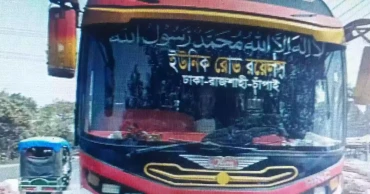
Do you use buses or public transport for commuting to nearby or long-distance destinations after evening? To ensure safety while traveling at night on buses or public transport, certain precautions should be followed.
Do’s and Don’ts for Evening or Night-Time Travel on Public Transport
.
Plan Your Journey Ahead
Planning your journey makes travel safer. If there is an option to book a bus or train ticket in advance, choose a seat in the middle. When traveling at night, it is best to avoid the window-side or rear seats of the bus.
If possible, inform a trusted person about your travel details (destination, expected arrival time).
Read more: How to Stay Safe from Devil's Breath
Choose Reliable Transport
Select a reliable bus or public transport for your journey. Use government-operated or recognized transport services. Check the bus or vehicle’s route and schedule in advance.
If using an app-based ride-sharing service (such as Uber, or Pathao), verify the vehicle details before boarding.
Keep Your Location Private
Nowadays, many people share their daily activities and personal information on social media, which can increase risks for traveling at night. Avoid sharing personal details with strangers. If possible, share your live location with family or friends while traveling.
Read more: Safety Tips for Solo Female Travellers
Stay Alert and Observe Your Surroundings
Avoid conversation with unfamiliar or suspicious individuals and do not share personal information. Even if you are busy, do not focus entirely on your mobile phone; be aware of your surroundings. If you notice anything suspicious or feel uncomfortable, inform the bus driver or fellow passengers.
Avoid Crowded Vehicles
If a vehicle is overly crowded or the situation seems suspicious, it is better not to board. Keep important belongings such as your wallet, phone, or bag close to you.
Carry Essential Self-Defense Items
For self-defense, carry small safety tools (such as pepper spray, a whistle, a folding metal safety rod, etc). Keep your phone charged with mobile data so you can seek help if needed.
Read more: How to Ensure Women's Safety in Educational Institutions
Save Emergency Contacts
Keep the contact numbers of local police, bus service helplines, and trusted persons easily accessible. In case of emergency, call 999 (Bangladesh’s emergency service).
Do Not Accept Food from Strangers
During travel, some passengers may offer food or drinks out of politeness or friendliness. However, criminals disguised as passengers sometimes mix chemicals in food to make travelers unconscious and then rob them. To avoid such risks, never consume food offered by strangers.
Maintain Balance While Traveling
When the bus or vehicle is moving, avoid standing up or moving suddenly. Hold onto a handle or support to prevent falling if the driver brakes suddenly. If possible, inform the bus assistant about your destination in advance so they can notify you when you reach your stop.
Read more: Best Free Personal Safety Android, iOS Apps for Women
Keep Your Mobile Phone Secure
Many passengers scroll through social media on their mobile phones while traveling. This habit increases the risk of theft, especially if seated by the window. Unless necessary, avoid taking out your mobile phone and keep it secure in your pocket or bag until you reach your destination.
Conclusion
Many people travel by public transport in the evening or late at night due to personal, emergency, or professional reasons. By following the above safety precautions, nighttime travel can be made much safer.
Read more: Essential Snake Safety Tips for Hiking, Trekking, Camping, and Traveling
1 year ago
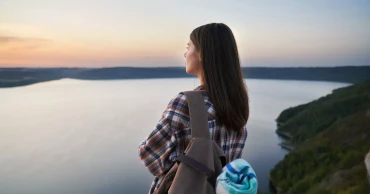
Safety Tips for Solo Female Travellers
Travelling solo as a woman is an empowering experience. More and more women are embracing freedom and adventure through solo travel experiences. However, with all the excitement, safety remains a significant concern. Whether you want to explore new places abroad or heading off on a local trip, prioritising your safety is essential. Let’s dive into some practical and effective safety tips that can help you enjoy solo adventures with confidence and peace of mind.
Tips to Stay Safe As a Solo Female Traveller
.
Research Your Destination Thoroughly
Before your trip, thoroughly research your destination’s culture, customs, and laws. Understanding dress codes and behavioural norms is essential, especially in more conservative regions. Identify safe areas for solo female travellers and note places to avoid.
Additionally, you should save local emergency contacts, hospitals, and your country’s embassy information to ensure you are well-prepared for any situation.
Plan Your Accommodation Carefully
When booking accommodation, prioritise safety and comfort. It is recommended to pick places that are centrally located, well-reviewed, and cater to female travellers.
Read more: Essential Snake Safety Tips for Hiking, Trekking, Camping, and Traveling
Staying in female-only dorms or hotels with secure entry systems can provide peace of mind. Also, avoid accommodations in isolated or poorly lit areas which ensures you can walk to your destination or access transport safely.
Travel Insurance
It would be wise to have comprehensive travel insurance, especially when travelling solo. Make sure your insurance covers medical expenses, lost belongings, and trip cancellations. In case of an accident or unexpected event, this will give you peace of mind, knowing that you are covered. Research policies and opt for one that suits your travel style and needs.
Get a Local SIM
Having a local SIM card makes it easier to stay connected with family and friends, as well as navigate unfamiliar areas. A local SIM allows you to access data, make emergency calls, and use local apps without relying on potentially expensive roaming charges. It is also useful for communicating with locals or booking services such as taxis or tours.
Stay Connected
Keeping in touch with family and friends is crucial for your safety. Share your itinerary with them and keep them updated on any changes. Using tracking apps like Google Maps or other location-sharing apps will allow someone to monitor your whereabouts.
Read more: How to Travel Safely During Heat Waves
Regular communication through messaging apps ensures that someone knows where you are, even if you are exploring more remote areas. VPNs are useful for securing your internet access, especially when connecting to public Wi-Fi.
Pack Smart and Light
Packing light makes travel more convenient and also safer. Avoid carrying expensive or flashy items that might attract attention. Travellers should invest in anti-theft backpacks or money belts to secure their valuables. This will help you stay mobile, making it easier to move swiftly if needed and reduce the risk of being targeted by thieves.
First Aid Kit
Carrying a compact first aid kit ensures you are prepared for minor health issues on the go. Include essentials like band-aids, painkillers, antiseptic wipes, and any personal medications. Being able to treat minor injuries or discomforts without delay is an important part of solo travel journeys, as you might not always have immediate access to medical care.
Trust Your Instincts
One of the most important safety tips for solo female travellers is to trust your instincts. If a situation or person makes you feel uncomfortable, trust that feeling. Do not hesitate to remove yourself from potentially unsafe environments. Developing assertive behaviour and projecting confidence through body language can also deter unwanted attention or interactions.
Read more: How to Avoid Scams During Travel Bookings
Blend In With the Locals
Adapting to the local culture by blending in is a smart way to avoid drawing unwanted attention. Dress in a way that reflects local customs, especially in more conservative countries. Learning basic local phrases can help you navigate better and show respect for the local culture. Additionally, it signals that you are not an easy target.
Use Reliable Transportation
When travelling alone, it is important to use trusted transportation services like Uber. These apps allow you to track your route and share your location. Public transportation can be safe, but it is best to avoid late-night travel when possible. Plan your routes ahead of time to avoid appearing lost, and try to sit in safer areas, such as near the driver.
Inform Friends and Family
Letting loved ones know your travel plans is crucial for peace of mind. Share your accommodation details, daily itinerary, and contact information. Regularly update them on your location and any changes in your plans. This communication ensures that someone knows your whereabouts and can respond if something goes wrong, especially in emergency situations.
Keep Your Documents and Money Safe
Keeping your passport, visa, and other essential documents safe is crucial to avoid being stranded in a foreign country. It would be wise to have digital copies and paper photocopies of your documents.
Read more: Solo Trip: Tips for Travelling Alone for the First Time
Use multiple forms of payment, such as cash, credit cards, and travel cards, and keep them in different locations to minimise the impact if something is lost or stolen.
Be Cautious With Strangers
Interacting with locals can enrich your travel experience, but it is essential to maintain boundaries. Avoid sharing too much personal information or your travel plans with strangers. While friendliness is important, prioritise your safety by politely disengaging from conversations that make you uncomfortable. Always trust your instincts when assessing people’s intentions.
Stay Alert in Social Situations
While socialising can be fun, extra caution is necessary when you are alone. If you feel uneasy, have an exit strategy in place. Stick to well-lit, populated venues and avoid heading off with someone you have just met, especially in unfamiliar locations.
Know Self-Defense Basics
Taking a basic self-defence class before your trip can provide extra confidence. Learn simple techniques that are easy to remember and practical. Additionally, carrying small safety items like a personal alarm, whistle, or pepper spray can help in emergencies. These tools act as a deterrent and provide extra security during unsettling encounters.
Read more: Tips to Prevent Food Poisoning while Travelling
Closing Lines
Travelling solo can be a rewarding and life-changing experience for any female outdoor enthusiast. While safety is a legitimate concern, with the right preparation and cautiousness, women tourists can explore the world confidently.
If you are a solo female traveller, trust your instincts, stay informed, and use technology to your advantage. Remember, the goal is to enjoy your travels while staying safe—and with these tips, you’ll be well-prepared for any adventure that comes your way.
Read more: Shopping in Dubai: What to Buy, Where to Buy from
2 years ago