Gonobhaban
Visit July Uprising Museum at Gonobhaban to witness brutal history: CA
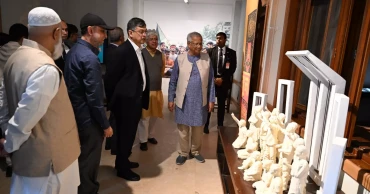
Chief Adviser Prof Muhammad Yunus on Tuesday (January 20, 2026) urged all to visit the July Uprising Memorial Museum at Gonobhaban to understand and realise the brutalities of the previous regime.
“Every citizen of the country should come here and spend a day. Students should visit the museum in groups. By spending time here, people will understand the hardships and brutalities this nation had to endure,” he said while inspecting the progress of the final phase of the museum’s construction.
Read more: BNP plans separate department for families of July martyrs, fighters: Tarique
Prof Yunus said anyone wishing to stay in the ‘Ayna Ghor’ built within the museum could do so for a few hours or even a day, to gain firsthand insight into the suffering detainees endured. “We must keep in mind how we can remain united to prevent such atrocities from happening again. We all share the belief that this nation must never return to those dark days,” he said.
Prof Yunus highlighted the courage of the youth and students who resisted oppression despite facing brutal acts. “They had no weapons, nothing. That ordinary people could stand fearlessly against armed forces is a lesson for all of us,” he said.
During the visit, Prof Yunus said the museum stands as a tribute to the blood of the July martyrs, calling it an unprecedented example globally.
Spain’s deadly train crash saddens Prof Yunus
“We hope that in the future, there will be no need to build such a museum anywhere else. If our nation ever loses its way, it can find guidance and inspiration in this museum,” he added.
The Chief Adviser arrived at the museum around 3pm and toured the museum's displays on the history behind the July Uprising and Sheikh Hasina's 16-year misrule, said the Chief Adviser’s press wing.
7 months ago
CA asks advisers to speed up construction of museum at Gonobhaban
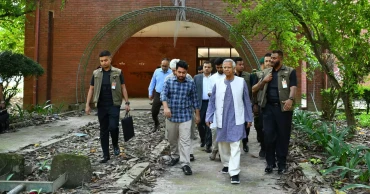
Chief Adviser Professor Muhammad Yunus asked advisers to fast track the construction of the museum for the July-August mass uprising at the Gonobhaban.
The Chief Adviser gave the instructions when he visited the Dhaka palace where ousted dictator Sheikh Hasina lived during the past 15 years, which became a symbol of repression and her brutal rule.
"The museum should preserve the memories of her misrule and the anger people expressed when they ousted her from power," Prof Yunus said as he inspected the ruins.
Hundreds of thousands of protesters stormed the Gonobhaban on August 5, moments after Hasina fled Bangladesh and took refuge in India.
Protesters marked their anger in the Gonobhaban walls and rooms by drawing graffitis and writing protest notes such as Khuni Hasina (killer Hasina).
The Chief Adviser said a replica of the Aynaghar (Mirror House) where Hasina's notorious security agencies secretly detained hundreds of dissidents and opposition activists should also be built at the Musuem at Gonobhaban, said the Chief Adviser's press wing.
1 year ago