Rawhide Syndicate
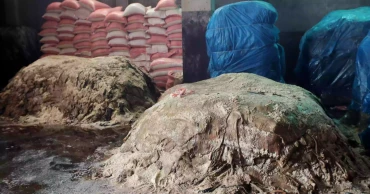
Qurbani Rawhides: Even price revisions fail to ease market woes
Even though the government has increased the prices of sacrificial animal hides this Eid-ul-Azha, seasonal traders claim they failed to sell at the official rates, while tannery owners argue that raising prices alone cannot revive the market without addressing its underlying issues.
During the critical 72-hour post-Eid period, Dhaka’s Posta area in Lalbagh received the highest volume of rawhide. Seasonal traders from various parts of the city brought hides to the Posta warehouse for sale but expressed frustration at being unable to sell at the government-fixed rates.
As per the new rates set by the Ministry of Commerce, salted cowhide in Dhaka was priced at Tk 60-65 per square foot, up from last year’s Tk 55-60. Outside Dhaka, the rate was Tk 55-60, compared to Tk 50-55 last year.
Tanneries classify hides based on size: over 30 square feet is considered large, over 20 square feet is medium, and below 20 square feet is small. Based on the minimum rate, a large hide would fetch Tk 1,800, a medium one Tk 1,200, and a 15-square-foot small hide Tk 900.
Rawhide fetches highest prices in a decade: Commerce Adviser
But, seasonal traders reported selling hides for as low as Tk 500-800, significantly below government-fixed prices.
Altaf Hossain, a seasonal trader, said, “On the afternoon of Eid day, I sold hides at Tk 600 each. Even after waiting for hours quoting Tk 900, no buyers came forward.”
Milon Sarker echoed similar sentiments: “No one measured hides by square foot. We sold hides for an average of Tk 600-900 per piece. Hearing the government had raised the price, many madrasa and boarding houses bought hides at higher prices, which landed us in trouble.”
Warehouse operators at Posta stated that this year’s market is worse than the previous one. “Buying at government-fixed rates would mean selling to tanneries at a loss,” one wholesaler explained.
Tipu Sultan, Secretary General of Bangladesh Hide and Skin Merchants Association (BHSMA), said, “Many investors have withdrawn from the leather business this year. Several traders closely linked with the previous regime are now absconding, while others are struggling with liquidity. Traders who previously bought 10,000 pieces are now buying only 5,000.”
He also mentioned that more than 30% of hides brought to Posta had already deteriorated due to lack of salt preservation. “Seasonal traders brought raw, unsalted hides. By the time they reached the market, many hides had spoiled or lost quality. Though the government set prices for salted hides, many ignored that directive,” he said.
Tannery workers busy unloading, processing rawhides at Savar tannery estate
Adilur Rahman, Adviser to the Ministry of Industries, said while visiting the Savar Leather Industrial City on the third day of Eid that the government had distributed 30,000 tonnes of salt to aid preservation.
10 months ago