land and environmental defenders
120 land and environmental defenders killed or disappeared in Latin America last year, report finds
At least 146 land and environmental defenders were killed or went missing worldwide in 2024, with more than 80% of the cases reported in Latin America, according to a report released Wednesday by watchdog group Global Witness.
The London-based organization said Latin America remains the most dangerous region for people defending their homes, communities, and natural resources, accounting for 120 of the total cases. Colombia was the deadliest country, recording 48 killings — nearly one-third of global cases — followed by Guatemala with 20 and Mexico with 18.
Guatemala saw a fivefold increase in killings compared to 2023, making it the country with the highest per capita rate of defender deaths. Brazil reported 12 killings, while Honduras, Chile, and Mexico each recorded one disappearance.
Laura Furones, lead researcher of the report, told the Associated Press that multiple factors drive persistent violence in Latin America, particularly in Colombia. “These countries are rich in natural resources and vast tracts of land are under pressure for food and feed production. Conflicts over resource extraction and land use often lead to attacks against those defending their rights,” she said.
Since 2012, Global Witness has documented over 2,250 killings and disappearances of land and environmental defenders globally, nearly three-quarters of which occurred in Latin America. Close to 1,000 cases were recorded since 2018, when the region adopted the Escazú Agreement — a treaty aimed at protecting environmental defenders, guaranteeing access to environmental information, public participation in decision-making, and timely measures to prevent and punish attacks.
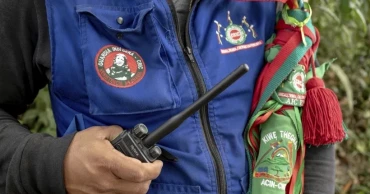
The report highlighted that Indigenous peoples continue to face disproportionate risks, accounting for roughly one-third of global lethal attacks despite representing only about 6% of the world population. Ninety-four percent of attacks on Indigenous defenders occurred in Latin America. In Colombia’s Cauca region, Indigenous youth are participating in community “semilleros” (seedbeds) to learn environmental care, cultural traditions, and territorial defense to protect their land from armed groups and extractive industries.
Small-scale farmers were also heavily targeted, making up 35% of victims in the region. Many killings were linked to land disputes, extractive industries such as mining, logging, agribusiness, and criminal networks. Organized crime, private security forces, and hired hitmen were implicated in numerous cases.
Colombia’s Putumayo department, bridging the Andes and the Amazon, illustrates the dangers defenders face. Rich in forests and rivers, the area is also a hotspot for armed groups, extractive projects, and illicit trade, including drug trafficking and illegal mining. Environmental defenders described living under constant threat, with illegal activities tied to armed groups making them frequent targets.
Andrew Miller of Amazon Watch said transnational criminal networks involved in drug, gold, and timber trafficking have increasingly become a major source of deadly threats against environmental defenders. “The security situation for defenders across the Amazon is becoming increasingly precarious,” he warned.
1 year ago
