agri-entrepreneurs
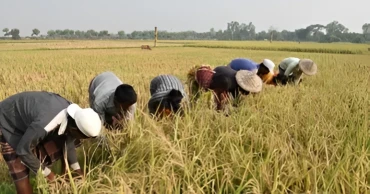
New climate-resilient project aims to create 1,000 new agri-entrepreneurs in Rajshahi division
As climate stress tightens its grip on Bangladesh’s farmlands and cultivable land continues to shrink, the government has rolled out a large-scale agricultural project aimed at securing food production and livelihoods in one of the country’s most important farming belts — Bogura agricultural region.
With an allocation of Tk 251.97 crore, the project, titled Sustainable Agricultural Development of Bogura Agricultural Region, seeks to boost crop output, modernise farming practices and build long-term resilience in four districts of the Rajshahi division.
The project will be implemented by the Department of Agricultural Extension (DAE) under the Ministry of Agriculture from January 2026 to December 2030, fully funded by the government.
Spanning 44 upazilas in Bogura, Joypurhat, Pabna and Sirajganj, the project is among the largest region-based agricultural programmes undertaken in recent years.
Tk 1,300cr GK irrigation rehabilitation project aims to revive southwest agriculture
Officials say it is designed as a response to a convergence of challenges including falling groundwater levels, erratic rainfall, rising temperatures and increasingly unpredictable seasons — all of which have disrupted year-round crop cultivation in the region.
Targets and technologies
At the heart of the project is a production target: a 5 percent increase in crop output, from 41.87 lakh metric tonnes to 43.96 lakh metric tonnes.
This is to be achieved through the application of 24 modern and environment-friendly agricultural technologies, including water-saving methods, improved soil health management and better crop planning.
Cropping intensity is also expected to rise by 5 percent, from 236 percent to 241 percent, reflecting more efficient land use in an area where arable land is steadily being lost to floods, river erosion and expanding infrastructure and industrial establishments.
To address post-harvest losses — a persistent problem for farmers — the project includes the construction of 200 onion storage facilities, each with a capacity of 10 metric tonnes, alongside three storage centres for vegetables, fruits and other produce.
A deputy director’s office-cum-training centre will also be built in Bogura to strengthen local extension services.
Mechanisation is another major pillar. Under the plan, 3,185 agricultural machines will be procured and distributed to farmers to reduce production costs, ease labour shortages and improve efficiency during peak seasons.
Investing in people
Beyond infrastructure and machines, the project places strong emphasis on human resource development.
According to Planning Ministry officials, 4,840 training batches will be conducted to enhance farmers’ skills in modern crop production, seed technologies and agribusiness development.
The initiative aims to create at least 1,000 new agricultural entrepreneurs and develop around 35,000 trained agricultural human resources across the region.
More than 41,800 demonstration plots will showcase improved farming practices, while 700 field days, technical discussion sessions and 70 exposure visit programmes are planned to encourage technology adoption at the grassroots.
A Planning Commission official described the project as a strategic investment in both productivity and people. “Expanding high-yielding and high-value crops, promoting safe fruit and vegetable cultivation and improving post-harvest management can significantly lift farm incomes if done properly,” the official said.
If implemented as planned, the project is expected to contribute to soil health protection, improved nutrition, reduced rural poverty and a gradual transformation of agriculture into a more profitable and sustainable profession in the region.
For thousands of farmers facing an uncertain climate future, the success of this initiative could determine whether Bogura’s fields remain productive — or increasingly precarious — in the years ahead.
7 months ago

Prof Yunus urges IFAD to create Social Business Fund for young agri-entrepreneurs in Bangladesh
Chief Adviser, Prof Muhammad Yunus has urged the International Fund for Agricultural Development (IFAD) to establish a social business fund aimed at supporting young agricultural entrepreneurs, women, farmers and food processors in Bangladesh.
Prof Yunus made the proposal during a meeting with IFAD President Alvaro Lario on the sidelines of the World Food Forum on Sunday.
"I encourage you to create a social business fund,” said Prof Yunus, adding, “Such a fund would address social issues including healthcare for poor and promote entrepreneurship among youth, farmers, women, and those involved in the fishing industry.”
During their meeting, the two leaders discussed a range of strategic issues, including support for launching Bangladesh’s deep-sea fishing industry, expanding exports of mangoes and jackfruit, promoting climate-resilient agricultural entrepreneurship and assisting buffalo farmers in producing dairy products such as mozzarella cheese.
Prof Yunus invited the IFAD President to visit Bangladesh and send a team to explore potential opportunities for collaboration in agriculture, social business, and technology, said Deputy Press Secretary Abul Kalam Azad Majumder.
In response, President Lario expressed IFAD’s keen interest in supporting social business initiatives and expanding collaboration with the private sector in Bangladesh.
Social business now a global movement: Prof Yunus
He noted that IFAD is currently funding more than half a dozen agricultural projects in the country.
The Chief Adviser also emphasised Bangladesh’s need for technological support and investment in fruit processing, cold storage, warehousing, and large-scale exports of tropical fruits like mangoes and jackfruit.
“We’ve begun exporting mangoes, but the volume is still small. China has expressed interest in importing big quantities of both mangoes and jackfruit from Bangladesh,” he added.
Farida Akhter, Adviser on Fisheries and Livestock, also attended the meeting and highlighted how Bangladeshi women dairy farmers are producing mozzarella cheese from buffalo milk.
She requested IFAD’s support to scale up cheese and other dairy production in the country.
Dr Yunus urges Sweden to invest in social businesses instead of providing grants
11 months ago