COP30
Bangladesh demands survival-focused climate support at COP30
Bangladesh called on global leaders at the COP30 climate summit to deliver survival-centered, justice-driven climate finance for the Least Developed Countries (LDCs), warning that millions already face irreversible losses from a crisis they did not cause.
Farida Akhter, Adviser for Fisheries and Livestock and head of the Bangladesh delegation, told a high-level ministerial dialogue on Saturday (November 15) that climate finance for LDCs must be predictable, grant-based, and rooted in justice to match the scale of the devastation in vulnerable nations.
Speaking on behalf of the LDC Group at the summit in Belém, Brazil, Farida emphasised that the world's poorest communities are already experiencing severe climate impacts, including:
1. Rising seas and salinity
2. Coastal erosion
3. Destructive cyclones
Farida said Bangladesh’s presence at COP30 was not to repeat "old grievances" but to push for concrete solutions.
At a briefing later at the Bangladesh Pavilion, Farida highlighted climate-driven threats to the country’s iconic Hilsha fish.
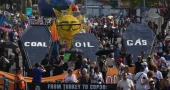
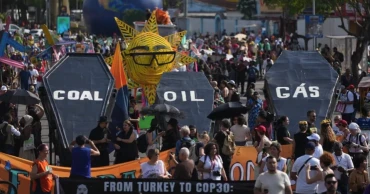
Climate protesters march on COP30 in Brazil, demanding action
Shifting river patterns and habitat degradation are endangering the species, which is vital to Bangladesh's economy and culture.
The delegation also pressed for critical policy shifts, including:
1. Closing gender gaps in climate policy.
2. Recognising and ensuring women’s leadership and full participation in negotiations and national plans.
Farida also praised the strong presence of youth leadership within the national delegation, crediting young negotiators with bringing "clarity, courage and new energy" to global climate diplomacy.
COP30 climate summit opens in Brazil’s Belem to renew global focus on climate action
As talks intensify, Bangladesh reiterated that the credibility of the global climate process now depends on whether historically responsible nations step up with real commitments and adequate finance under the New Collective Quantified Goal (NCQG).
10 months ago
Super-rich lifestyles depleting world’s remaining carbon budget: Oxfam
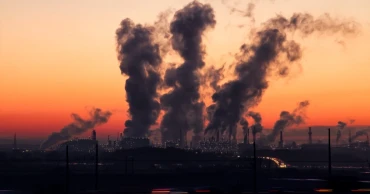
Ahead of the major international climate conference COP30 in Belem, Brazil, new Oxfam research reveals that the high-carbon lifestyles of the super-rich are rapidly exhausting the world’s remaining carbon budget, the amount of CO2 that can be emitted to avoid climate catastrophe.
The research also details how billionaires are using their political and economic influence to keep humanity hooked on fossil fuels to maximize their private profit.
The report, Climate Plunder: How a powerful few are locking the world into disaster, presents extensive new updated data and analysis which finds that a person from the richest 0.1% produces more carbon pollution in a day than the poorest 50% emit all year.
If everyone emitted like the richest 0.1%, the carbon budget would be used up in less than 3 weeks.
Global warming reshapes extreme rainfall, snowfall across Northern Hemisphere: Study
The super-rich are not just overconsuming carbon, but also actively investing in and profiting from the most polluting corporations. Oxfam’s research finds that the average billionaire produces 1.9 million tonnes of CO2e a year through their investments.
These billionaires would have to circumnavigate the world almost 10,000 times in their private jets to emit this much. Almost 60% of billionaire investments are classified as being in high climate impact sectors such as oil or mining, meaning their investments emit two and a half times more than an average investment in the S&P Global 1,200.
The emissions of the investment portfolios of just 308 billionaires totals more than the combined emissions of 118 countries.
“The climate crisis is an inequality crisis. The very richest individuals in the world are funding and profiting from climate destruction, leaving the global majority to bear the fatal consequences of their unchecked power,” said Amitabh Behar, Executive Director of Oxfam International.
The power and wealth of super-rich individuals and corporations have also allowed them to wield unjust influence over policymaking and water down climate negotiations.
At COP29, 1,773 coal, oil, and gas lobbyists were granted badges, more than the 10 most climate-vulnerable nations combined. Multiple rich and high-emitting countries including the US, UK, France and Germany have watered down climate laws after large donations from anti-climate lobbyists.
10 months ago