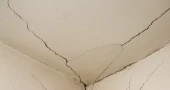
Post-earthquake Structural damage
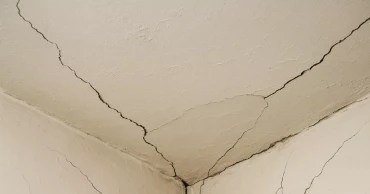
Ceiling And Wall Cracks After An Earthquake: When To Worry
Dealing with cracks on ceilings or walls after earthquakes is a long-standing issue for common people. Depending on the magnitude of the tremors, damage can range from tiny clefts to extensive spaces across walls and ceilings. Even after the tremors stop, there is a risk of bigger accidents from the cracks that have formed. In most cases, victims are unsure which of those could actually be deadlier. Let’s discuss the different types of post-earthquake structural damages and cracks to clear up confusion and take the right action with caution.
Earthquake Cracks That Don’t Mean Trouble
Be it in living or workplaces, seismic damage to property and furniture can come in many forms. But not all of these are severe enough to cause bigger accidents. Here are some signs you want to look for.
Hairline Cracks
These are very thin, pen- or spiderweb-like lines that appear on plaster or paint. These surface spots are formed when the plaster on the surface becomes flexible due to shaking. They are not harmful and can be easily repaired.
Moreover, apart from seismic activity, these are also caused by normal house settlement, temperature change, and humidity fluctuations.
Read more: Post-Earthquake Cautions: Do’s & Don’ts
Splits in Structural Joints
Weak spots emerge after a long time where the ceiling is directly connected to the wall. In most cases, this situation does not arise due to structural reasons.
Interior Wall Stress Marks
These walls typically don’t bear any load, acting as partitions. Unlike pillars, these walls do not support the building.
10 months ago