Dhaka's air pollution status

Dhaka's air quality remains ‘very unhealthy’
Dhaka, the densely populated capital of Bangladesh, ranked fourth among the world’s most polluted cities on Thursday morning (January 22, 2026), recording an Air Quality Index (AQI) of 240 at 9:23 am.
Today, the city’s air was classified as ‘very unhealthy’, indicating a serious health threat, according to the AQI report.
Read more: Bicycling could cut emissions in Global South with policy support: Study
Lahore in Pakistan, Delhi in India, and Sarajevo in Bosnia and Herzegovina occupied the first, second, and third spots on the list, with AQI scores of 368, 317, and 265 respectively.
According to the AQI scale, a reading between 50 and 100 is considered ‘moderate’, with generally acceptable air quality, though sensitive individuals should limit prolonged outdoor exertion. AQI levels of 101–150 are ‘unhealthy for sensitive groups’, 151–200 is ‘unhealthy’, 201–300 is ‘very unhealthy’, and readings above 301 are considered ‘hazardous’, posing severe health risks.
The AQI, which reports daily air quality, informs residents how clean or polluted the air is and highlights potential health effects. In Bangladesh, the AQI is calculated based on five key pollutants: particulate matter (PM10 and PM2.5), nitrogen dioxide (NO2), carbon monoxide (CO), sulfur dioxide (SO2), and ozone.
Dhaka's air quality remains ‘very unhealthy’
Dhaka has long struggled with air pollution. Air quality usually deteriorates in winter and improves during the monsoon season.
The World Health Organization (WHO) estimates that air pollution causes about seven million deaths worldwide each year, primarily from stroke, heart disease, chronic obstructive pulmonary disease, lung cancer, and acute respiratory infections.
7 months ago

Dhaka's air quality remains ‘very unhealthy’
Dhaka, the densely populated capital of Bangladesh, ranked second among the world’s most polluted cities on Wednesday morning (January 21, 2026), recording an Air Quality Index (AQI) of 296 at 9:40 am.
Today, the city’s air was classified as ‘very unhealthy’, indicating a serious health threat, according to the AQI report.
Read more: How to Reduce Air Pollution in Bangladesh?
Lahore in Pakistan, Delhi in India, and Kolkata in India occupied the first, third, and fourth spots on the list, with AQI scores of 324, 293, and 232 respectively.
According to the AQI scale, a reading between 50 and 100 is considered ‘moderate’, with generally acceptable air quality, though sensitive individuals should limit prolonged outdoor exertion. AQI levels of 101–150 are ‘unhealthy for sensitive groups’, 151–200 is ‘unhealthy’, 201–300 is ‘very unhealthy’, and readings above 301 are considered ‘hazardous’, posing severe health risks.
The AQI, which reports daily air quality, informs residents how clean or polluted the air is and highlights potential health effects. In Bangladesh, the AQI is calculated based on five key pollutants: particulate matter (PM10 and PM2.5), nitrogen dioxide (NO2), carbon monoxide (CO), sulfur dioxide (SO2), and ozone.
Dhaka's air quality remains ‘very unhealthy’
Dhaka has long struggled with air pollution. Air quality usually deteriorates in winter and improves during the monsoon season.
The World Health Organization (WHO) estimates that air pollution causes about seven million deaths worldwide each year, primarily from stroke, heart disease, chronic obstructive pulmonary disease, lung cancer, and acute respiratory infections.
7 months ago
Dhaka's air quality remains ‘very unhealthy’
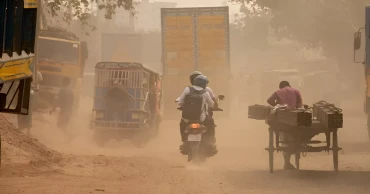
Dhaka, the densely populated capital of Bangladesh, ranked third among the world’s most polluted cities on tuesday morning, recording an Air Quality Index (AQI) of 296 at 9:02 am.
Today (January 20, 2026), the city’s air was classified as ‘very unhealthy’, indicating a serious health threat, according to the AQI report.
Read more: Weather likely to remain unchanged: BMD
Lahore in Pakistan, Delhi in India, and Kolkata in India occupied the first, second, and fourth spots on the list, with AQI scores of 558, 450, and 284 respectively.
According to the AQI scale, a reading between 50 and 100 is considered ‘moderate’, with generally acceptable air quality, though sensitive individuals should limit prolonged outdoor exertion. AQI levels of 101–150 are ‘unhealthy for sensitive groups’, 151–200 is ‘unhealthy’, 201–300 is ‘very unhealthy’, and readings above 301 are considered ‘hazardous’, posing severe health risks.
The AQI, which reports daily air quality, informs residents how clean or polluted the air is and highlights potential health effects. In Bangladesh, the AQI is calculated based on five key pollutants: particulate matter (PM10 and PM2.5), nitrogen dioxide (NO2), carbon monoxide (CO), sulfur dioxide (SO2), and ozone.
Dhaka has long struggled with air pollution. Air quality usually deteriorates in winter and improves during the monsoon season.
Read more: Dhaka's air quality remains ‘very unhealthy’
The World Health Organization (WHO) estimates that air pollution causes about seven million deaths worldwide each year, primarily from stroke, heart disease, chronic obstructive pulmonary disease, lung cancer, and acute respiratory infections.
7 months ago

Dhaka's air quality remains ‘very unhealthy’
Dhaka, the densely populated capital of Bangladesh, ranked third among the world’s most polluted cities on Monday morning (January 19, 2026), recording an Air Quality Index (AQI) of 272 at 8:58 am.
Today, the city’s air was classified as ‘very unhealthy’, indicating a serious health threat, according to the AQI report.
Delhi in India, Lahore in Pakistan, and Kolkata in India occupied the first, second, and fourth spots on the list, with AQI scores of 541, 312, and 204 respectively.
Read more: Air pollution: 5 ways to protect yourself from poor air quality
According to the AQI scale, a reading between 50 and 100 is considered ‘moderate’, with generally acceptable air quality, though sensitive individuals should limit prolonged outdoor exertion. AQI levels of 101–150 are ‘unhealthy for sensitive groups’, 151–200 is ‘unhealthy’, 201–300 is ‘very unhealthy’, and readings above 301 are considered ‘hazardous’, posing severe health risks.
The AQI, which reports daily air quality, informs residents how clean or polluted the air is and highlights potential health effects. In Bangladesh, the AQI is calculated based on five key pollutants: particulate matter (PM10 and PM2.5), nitrogen dioxide (NO2), carbon monoxide (CO), sulfur dioxide (SO2), and ozone.
Dhaka's air quality turns ‘very unhealthy’
Dhaka has long struggled with air pollution. Air quality usually deteriorates in winter and improves during the monsoon season.
The World Health Organization (WHO) estimates that air pollution causes about seven million deaths worldwide each year, primarily from stroke, heart disease, chronic obstructive pulmonary disease, lung cancer, and acute respiratory infections.
8 months ago

Dhaka’s air quality ranks third worst globally this morning
Dhaka, the overcrowded capital of Bangladesh, recorded the third worst air quality among major cities worldwide on Sunday morning (January 18, 2026), once again highlighting the city’s persistent struggle with pollution.
According to the air quality and pollution city ranking, Dhaka registered an Air Quality Index (AQI) score of 275 at 10:10am, placing it third on the list of cities with the most polluted air. The city’s air was classified as ‘unhealthy’.
India’s capital Delhi topped the list with an AQI score of 605, while Pakistan’s Lahore secured the second position with an AQI of 297, both indicating extremely poor air conditions.
The AQI is used globally to report daily air quality levels and to indicate how polluted the air is, along with the potential health effects on residents. When AQI values for particle pollution fall between 101 and 150, air quality is considered ‘unhealthy for sensitive groups’.
Read More: Dhaka’s air quality remains ‘unhealthy’ amid fog
A reading between 150 and 200 is categorised as ‘unhealthy’, while levels ranging from 201 to 300 are deemed ‘very unhealthy’. An AQI reading above 301 is considered ‘hazardous’, posing serious health risks.
In Bangladesh, the AQI is calculated based on five key pollutants: particulate matter (PM10 and PM2.5), nitrogen dioxide (NO2), carbon monoxide (CO), sulphur dioxide (SO2), and ozone.
Dhaka has long been grappling with severe air pollution, a problem that worsens during the winter months due to increased emissions and unfavourable weather conditions.
The situation typically improves during the monsoon season, when rainfall helps to reduce airborne pollutants.
Despite seasonal relief, air pollution remains a major public health concern for the city’s residents, particularly children, the elderly and those with existing respiratory conditions, as Dhaka continues to rank among the most polluted cities in the world.
Read more: Adviser Rizwana calls for effective regional action to combat trans-boundary air pollution
8 months ago