poultry policy in Bangladesh
Proposed poultry policy raises fears of monopolisation in chick supply
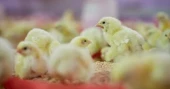
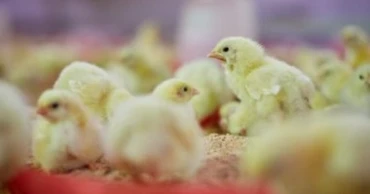
A proposal to ban the import of day-old chicks for commercial poultry farms included in the final draft of the National Poultry Development Policy-2026 has triggered widespread concern among poultry farmers and industry leaders.
Stakeholders said small and marginal producers would bear the brunt of the decision if the ban is enforced without adequate preparation and capacity development.
They also fear the move could lead to monopolisation of the sector by a handful of large corporate players.
The government, however, says the policy is aimed at gradually reducing import dependence and making the domestic poultry industry self-reliant.
Farmers said domestic production capacity is still insufficient to meet demand.
Tk 1,300cr GK irrigation rehabilitation project aims to revive southwest agriculture
Halting imports without proper preparation will create a severe shortage of chicks in the market, they said.
Dr Md Saiful Islam, Professor at Sher-e-Bangla Agricultural University’s Department of Livestock Production and Management, said a three-pronged crisis affecting marginal farmers, consumers and market stability will be created if the policy is implemented without proper consultation.
Bangladesh Agricultural University Veterinary Faculty Dean Prof Dr Md Bahanur Rahman stressed that the government must first ensure domestic production can meet daily demand at fair prices.
Former Bangladesh Livestock Research Institute director general and agronomist Dr Jahangir Alam suggested allowing limited imports alongside domestic production to support self-reliance, while retaining provisions for emergencies and new hatcheries.
At present, the production of day-old chicks depends largely on a limited number of large hatcheries, with comparatively few grandparent (GP) and parent stock (PS) farms operating in the country.
Bangladesh’s vehicle imports surge ahead of election, port revenue gets a boost
Experts warn that any disease outbreak or production disruption at these facilities could paralyse the entire supply chain.
The final draft of the National Poultry Development Policy-2026, published on the Ministry of Fisheries and Livestock website on January 13, proposes banning imports of day-old chicks for commercial farming.
It allows the import of GP stock, while PS imports may be permitted in ‘necessary cases’.
However, stakeholders say the ‘vague wording’ could lead to delays and bureaucratic hurdles during emergencies.
According to ministry data, the poultry sector has expanded rapidly over the past decade.
The country’s chicken population rose from 2,683.93 lakh in FY2015–16 to 3,360.70 lakh in FY2024–25.
Including ducks, the total poultry population now stands at 4,066.52 lakh—much of it dependent on a steady supply of day-old chicks.
COMFLOT West project extended by 2 years; cost nearly doubles
Bangladesh Poultry Industries Association (BPIA) President Mosharraf Hossain Chowdhury said production of day-old chicks is concentrated among a few companies, raising concerns about syndication if imports are blocked.
“About 10 to 15 percent of chicks are imported to meet demand when local supply falls short. If the import route is closed, any epidemic, bird flu outbreak or natural disaster could cause severe shortages and price volatility,” he said.
He also pointed out that while domestic supplies can respond quickly, importing chicks involves lengthy procedures.
“The policy mentions imports may be allowed in some cases but it does not clarify how a crisis will be identified or approvals granted,”he added.
Several stakeholders questioned the timing of the policy noting that the current ministry secretary has only a few days left in office and alleging the draft may have been rushed, potentially favouring large corporate firms.
Responding to the concerns, Department of Livestock Services Director (Production) ABM Khaleduzzaman said the policy has been under development since 2021 and was drafted in stages based on expert opinions and committee recommendations.
He added that provisions for future amendments remain.
Ministry Secretary Abu Taher Muhammad Jaber said the policy aims to build a sustainable and self-reliant poultry sector by addressing imports, production and biosecurity in line with existing regulations.
When will the LPG crisis end? Businesses, homemakers in Dhaka struggle
He said BPIA’s concerns would be reviewed during inter-ministerial discussions.
Fisheries and Livestock Adviser Farida Akhter said no decision would be taken that harms marginal traders or the poultry industry.
“The policy has been released for public feedback, and all objections including those from BPIA will be examined before a final decision is made,” she said.
6 months ago