Yellow line
‘Yellow line’, the unofficial Israeli buffer zone reshaping daily life in Gaza
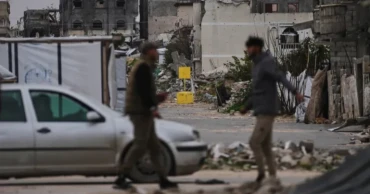
Just metres from the yellow painted concrete blocks marking the Israeli army’s most recent redeployment line in eastern Gaza City, displaced Palestinian Zaid Mohammed and his family of six are living in a small tent. The yellow line marks the area Israeli forces pulled back to under the first phase of the Gaza ceasefire that began in October and stretches up to 6.5km inside the enclave, covering about 58 percent of Gaza.
The line separates an eastern zone under Israeli control from a western area with fewer movement restrictions but continued risks of air strikes and displacement. Zaid’s shelter stands amid widespread destruction, with rubble from flattened neighbourhoods stretching for miles.
“Shelling and gunfire continue around the clock,” Zaid told Al Jazeera, noting the proximity of Israeli forces. Residents near the line report frequent gunfire, explosions and nights lit only by military flares amid total darkness.
The yellow line refers to Israeli-designated military zones and buffer areas inside the Gaza Strip that have repeatedly shifted during the war, according to UN agencies and humanitarian groups. These evolving zones function as de facto internal borders, shaping civilian movement, access and survival.
Read More: Gaza reports 14 dead after Israel says it killed two top Hamas figures
During a December visit, Israeli military chief Lieutenant General Eyal Zamir described the yellow line as “a new border line”, leaving Israel in control of nearly 60 percent of Gaza, including Rafah and Beit Hanoon. The line emerged through successive forced displacement orders, often issued amid active bombardment, giving civilians little time to flee.
UN officials say that at times more than 70 percent of Gaza was under evacuation orders or deemed unsafe. With few visible markers, Palestinians rely on memory and instinct as neighbourhoods shift rapidly from safe to dangerous. Aid agencies warn the uncertainty fuels trauma, disrupts livelihoods and normalises danger, especially for children, even during periods of calm.
With inputs from AL JAZEERA
6 months ago