blind users
AI-powered apps reshape self-perception for blind users
Artificial intelligence (AI) is providing blind people with unprecedented access to visual feedback about their own appearance, transforming daily routines and self-perception, though experts caution that the technology may have complex psychological effects.
Apps like Be My Eyes and Envision now allow blind users to receive detailed analyses of their faces and bodies through image recognition and AI-powered feedback. The technology can describe skin condition, facial features, and even suggest styling or makeup adjustments, functioning as a “digital mirror” for users who have never been able to see themselves.
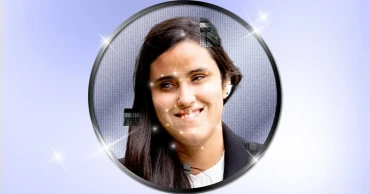
Lucy Edwards, a blind content creator, described how AI feedback allows her to understand her appearance after years of relying solely on descriptions from others. “Suddenly we have access to all this information about ourselves, about the world, it changes our lives,” she said.
Experts warn, however, that such tools can inadvertently reinforce unrealistic beauty standards. Helena Lewis-Smith, a body image researcher at the University of Bristol, noted that AI often compares users against idealized Western beauty norms, which could negatively affect mental health, especially for those who cannot cross-check information visually.
Envision CEO Karthik Mahadevan said that while the apps were initially designed for basic tasks like reading text or navigating the world, users increasingly employ them for personal grooming and styling. “Often the first question they ask is how they look,” he said.
AI’s growing role as a personal visual assistant raises both empowerment and risk. Users can control how feedback is provided—whether descriptive, poetic, or evaluative—but inaccuracies and algorithmic biases remain a concern. Some services, such as Aira Explorer, offer human verification of AI descriptions to improve reliability.
Researchers emphasize that body image is multi-dimensional, influenced by context, social comparison, and personal agency—factors that AI cannot fully capture. Yet for many blind users, the technology offers newfound independence and self-understanding. Edwards said: “Even though we don’t see visual beauty in the same way sighted people do, AI allows us to experience aspects of ourselves we thought we’d lost.”
As AI continues to expand into daily life, specialists call for careful study of its emotional and psychological impact on blind communities, balancing empowerment with awareness of potential harms.
With inputs from BBC
19 hours ago