infrastructure strain
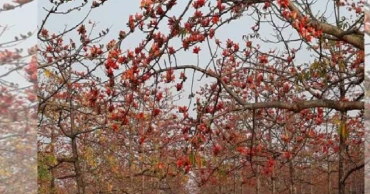
Shimul bloom draws thousands to Sunamganj; exposes infrastructure strain
Every spring, a remote riverbank in northeast Bangladesh, Sunamganj, turns bright red, sparking a short-lived but major economic boost.
Along the banks of the Jadukata River in Tahirpur upazila, some 300 kilometres from Dhaka, thousands of shimul (silk cotton) trees have erupted into bloom, transforming the famed Shimul Garden into a vivid red canopy against the rolling blue hills of Meghalaya across the border.
This year’s display coincided with Pahela Falgun and Valentine’s Day falling on the same date, amplifying the draw. Visitors poured in from early morning, many dressed in yellow, orange and red to mark the first day of spring, turning the riverside into what locals described as a carnival of colour.
The garden’s origins trace back to 2000, when then chairman of Badaghat Union, Joynal Abedin, planted around 3,000 shimul trees across 100 bighas of land at Manigaon. Over time, the site gained national recognition and has been described by local sources as one of the largest shimul gardens in Asia.
Two decades later, the seasonal bloom has become central to the economy of Tahirpur’s remote communities.
Small eateries, roadside tea stalls, hotels and boat operators reported brisk business as thousands arrived to photograph the fiery blossoms, ride horses through the grounds and sit along the riverbank. For many residents, the few weeks of peak bloom now represent a vital source of annual income.
“It felt like walking into a dream,” said a female visitor from Dhaka who travelled with her husband to see the blossoms. “We had seen photos before, but the real experience is beyond imagination. The only drawback was the crowd, making it difficult to find a quiet corner.”
The surge has also exposed infrastructure constraints. Long queues formed at boat terminals, while narrow approach roads struggled to handle the influx of vehicles. Traffic congestion and overcrowding were common complaints.
Ali Haider, another tourist, described the location as extraordinary but said improved road connectivity and the swift completion of a bridge over the Jadukata River would ease travel hassles and likely attract even more visitors.
Authorities deployed tourist police and members of law enforcement agencies, including plainclothes personnel, to maintain order and ensure safety during the peak period.
Funding delays stall haor embankments, putting Sunamganj’s Boro harvest at risk
Rakib Uddin, owner of the garden, said thousands of tourists began arriving from the first day of spring. Communication facilities have improved compared with previous years, he added, though visitors and locals alike believe further upgrades -- better roads, transport management and facilities -- could elevate the site into a premier tourist destination.
For now, however, the attraction’s power lies in its transience. Within weeks, the crimson petals will fall, the crowds will thin and the garden will return to quietude — waiting for another spring to set the riverbank ablaze once more, Rakib added.
7 months ago