energy pressure
Experts flag possible energy pressure for Bangladesh amid US-Iran tensions
Bangladesh could face mounting energy and financial pressures amid rising tensions between the United States and Iran, with concerns growing over possible disruptions in the Strait of Hormuz, a key route for the country’s energy imports.
With 65-70 percent of the nation's energy demand met through imports—primarily Liquefied Natural Gas (LNG), crude oil, and Liquefied Petroleum Gas (LPG)—sector experts warn that a prolonged regional war could paralyze the economy.
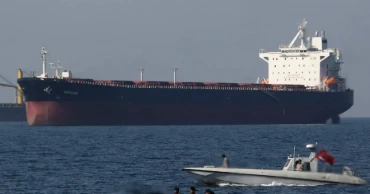
The Strait of Hormuz is the world’s most vital oil transit point. Reports indicate that Iran’s Revolutionary Guard has begun transmitting radio warnings that vessels may be barred from the passage. If the Strait is officially closed, international research agencies forecast that crude oil prices could surge to between USD $95 and $110 per barrel.
For Bangladesh, this is a direct threat. The country relies on this specific maritime route for:
LNG: 55 percent of total imports (mainly from Qatar and Oman).
Crude Oil: 20 percent of annual demand (sourced from Saudi Arabia and UAE).
LPG: Almost 100 percent of supply is Middle East-centric.
How Bangladesh Will Be Affected
The disruption of this supply chain is expected to trigger a domino effect across several sectors.
Severe Power Shortages: As Qatar is a primary source of gas for power plants, any disruption in LNG shipments will lead to widespread load-shedding during the upcoming peak summer season.
Gas Crisis: Professor M. Tamim, an energy expert and Pro-VC of Independent University, warned that "a continued war will spike oil prices and disrupt Qatar's LNG supply, creating a grave gas crisis."
LPG Scarcity: The domestic market, which requires 1.2 lakh tonnes of LPG monthly, is already facing a shortage. A supply chain break would cause prices to skyrocket and supplies to vanish.
Economic Strain: Rising global oil prices will put immense pressure on Bangladesh's foreign exchange reserves and increase the cost of living.
Dr. Ijaz Hossain, Professor and Dean of Engineering, Specialization Energy and Environment of BUET told UNB that energy supply from the Middle East will be severely disrupted if the war prolonged.
“Impact of this both energy supply and electricity generation in Bangladesh would be affected vastly as there is no immediate alternative. The national storage capacity is small for our country,” he added.
Despite the looming threat, the Bangladesh Petroleum Corporation (BPC) maintains that refined oil supplies are "safe" until June, as they are sourced from Malaysia, China, and Singapore, bypassing the Strait of Hormuz. However, the BPC Chairman, Md. Rezanur Rahman, admitted they are "closely monitoring" the crude oil situation.
Petrobangla Director (Operations) Engr. Md. Rafiqul Islam echoed these concerns, stating that while they are monitoring the situation 24/7, a closure of the Qatari shipping route remains a major cause for anxiety.
Energy Minister Iqbal Hassan Mahmood, has called an emergency meeting to discuss the crisis. "We are monitoring the situation and planning to explore alternative import sources to ensure Bangladesh does not fall into an energy vacuum," the Minister told reporters.
Industry leaders, including East Coast Group Chairman Azam J. Chowdhury, have urged the government to establish advanced communications with alternative suppliers like Indonesia and Malaysia to mitigate the risk.
6 months ago