Iran’s largest gas field

Escalating conflict hits Iran’s largest gas field as Tehran expands retaliatory strikes
Iran has intensified its attacks on major energy facilities across the Middle East, prompting strong warnings from Gulf Arab nations, which described the situation as a dangerous escalation that could pull them into direct conflict. The surge in violence follows Israeli strikes that reportedly targeted Iran’s South Pars gas field—the largest natural gas reserve in the world—and killed high-ranking Iranian officials, including the country’s intelligence minister.
In response, Iran launched attacks on energy infrastructure in Qatar, Saudi Arabia, and the United Arab Emirates. These countries strongly condemned the strikes, with Saudi Arabia warning that trust in Iran has been severely damaged. Despite facing repeated attacks since the conflict began, Gulf states have so far avoided direct military involvement alongside the United States and Israel.
Although Israel has not officially confirmed the strike on the South Pars field, its defense leadership hinted at further operations. Iran’s president warned that such actions could trigger uncontrollable consequences on a global scale.
U.S. President Donald Trump stated that Israel would not carry out additional strikes on the gas field but warned that if Iran continues attacking Qatar’s energy facilities, the U.S. could respond by completely destroying the site. He added that he hopes to avoid such extreme measures due to their long-term impact.
The United States was reportedly aware of Israel’s plans to strike the gas field but did not participate. Meanwhile, Iran escalated its campaign by targeting shared energy infrastructure in the Persian Gulf, including gas facilities in Qatar. In response, Qatar ordered Iranian embassy staff to leave the country.
Additional Iranian strikes hit key gas sites in the UAE, which officials there described as a serious escalation. While defensive measures have been taken, Gulf countries are under increasing pressure as attacks continue on their energy assets and civilian infrastructure.
The conflict has also disrupted global energy markets. Oil prices have risen by more than 5%, surpassing $108 per barrel, largely due to concerns over instability in the Strait of Hormuz—a critical route for global oil transport.
As tensions rise, the U.S. has taken steps to stabilize oil supply by easing sanctions on Venezuela, allowing American companies to resume business with its state energy sector.
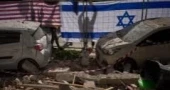
Meanwhile, Israel continues targeting Iran’s leadership, reportedly killing additional senior figures. Iran has retaliated with missile attacks on Israeli territory, including a strike in the West Bank that caused casualties—marking the first deaths there linked to the current conflict.
Iran has also expanded its attacks to include Saudi Arabia, Kuwait, Bahrain, and the UAE, increasing fears of a wider regional war.
3 hours ago