Eid without cheer
Eid without cheer: Dhaka’s low-income people struggle to cope with rising costs
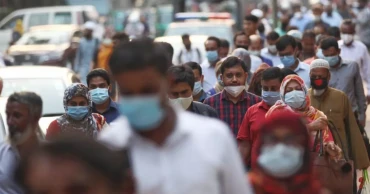
As glittering shopping malls and crowded markets signal the arrival of Eid in the capital, a different reality unfolds in its narrow alleys where thousands of marginalised families are preparing for a festival stripped of joy.
In Mohammadpur’s Geneva Camp and nearby slums, the usual festive spirit is largely absent.
Instead, rising food prices, shrinking incomes and mounting debts dominate daily life.
“I have three children. They keep asking for new clothes, but I cannot even ensure regular meals,” said Rahima Begum, a domestic worker. “Eid now feels like any other difficult day.”
The situation is no different in Basila ,where many low-income families live in makeshift homes along the riverbank.
For day labourers and rickshaw pullers, incomes have fallen sharply while living costs continue to climb.
Md Hanif, a rickshaw puller, said his earnings have dropped from Tk 700–800 a day to barely Tk 400 on some days. “After paying rent and buying essentials, nothing is left. Eid is a luxury we cannot think of,” he said.
Many said they are cutting down on meals to cope. Meat - a staple of Eid celebrations - has become unaffordable.
“My children have not eaten beef for months,” said Shirin Akter, who lives near Basila Bridge. “They keep asking if we will have meat on Eid day. I have no answer.”
In Badda, another densely populated area of informal workers, the story remains the same.
Garment workers, cleaners and small vendors say wages have remained stagnant despite soaring expenses.
Rashid Mia, a construction helper, said he has struggled to find regular work in recent weeks. “Some days I sit idle from morning to evening. Eid is near, but I have no savings. It is painful when my children ask for things I cannot provide,” he said.
Women in these communities are bearing the heaviest burden often sacrificing their own meals to ensure their families can eat.
“Everything is expensive - rice, oil, vegetables,” said Nasima Khatun, a part-time cleaner. “I skip meals so my children can eat. For Eid, I only wish they can have a decent meal.”
Even in Uttara, considered one of Dhaka’s more affluent areas, pockets of hardship persist among low-paid workers living in informal housing clusters.
Abdul Karim, a security guard, said his salary has remained unchanged for years. “My employer gives a small bonus, but it is not enough. Prices have doubled. Eid now brings stress instead of happiness,” he said.
Many in these communities rely on informal loans to manage Eid expenses, often trapping them in cycles of debt.
“I borrowed money last Eid and I am still repaying it,” said Salma Begum, a housemaid. “This year, I may have to borrow again just to buy clothes for my children.”
“We depend on donations, but there is no guarantee,” said Hanif. “Some years we get help, some years we don’t.”
Bangladesh’s point-to-point inflation increased to 9.13 percent in February from 8.58 percent in January, driven by a notable rise in food prices, according to the latest figures from the Bangladesh Bureau of Statistics (BBS).
Food inflation jumped to 9.30 percent in February, up from 8.29 percent the previous month. Non-food inflation also edged up slightly, reaching 9.01 percent compared to 8.81 percent in January.
Price pressures remained more intense in rural areas than in urban centres, largely due to higher food costs outside major cities.
The 12-month moving average inflation for the period from March 2025 to February 2026 was recorded at 8.65 percent, a decline from 10.31 percent during the corresponding period a year earlier, indicating some easing of overall inflation compared to last year.
However, wage growth continued to fall behind inflation, raising concerns over shrinking purchasing power among workers.
As the call for Eid prayers approaches, the contrast between abundance and deprivation across the capital becomes stark — a reminder that for many, Eid is no longer a celebration of joy, but a test of resilience.
5 months ago