Tobacco
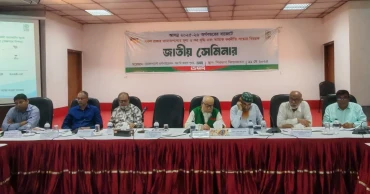
Seminar urges hike in tobacco price and taxes in upcoming budget
Development Organisation of the Rural Poor- DORP, alongside journalists, social leaders, and policymakers, have called for an increase in tobacco product prices and taxes, as well as reforms to the tobacco tax policy, in the upcoming national budget for FY 2025–26.
Anti-tobacco coalition demands effective tax structure to reduce demand
This demand was raised during a national seminar titled “Increasing the Price and Tax on Tobacco Products and Reforming the Tobacco Tax Policy in the National Budget for FY 2025–26”, held at the CIRDAP Auditorium.
The speakers called for the increase to safeguarding public health and advance the goal of a tobacco-free Bangladesh.
The seminar, presided over by DORP’s Founder and CEO AHM Noman, highlighted the urgent need to reform the existing tobacco tax structure. Special guests included Md. Akhtaruzzaman (Joint Secretary), Director General of the National Tobacco Control Cell; Hossain Ali Khondaker, former Additional Secretary at the Health Services Division; and Munshi Alauddin Al Azad (Retired Joint Secretary), Member of the BDR Investigation Commission.
The event also acknowledged the World Health Organization’s decision to honour the National Board of Revenue (NBR) with the 2025 World No Tobacco Day (WNTD) Award. On behalf of the NBR, Md. Tarek Hasan, First Secretary (Tax Policy), was in attendance and received congratulations from the seminar participants.
A major focus of the seminar was the demand to merge the low and medium tiers of cigarettes and set the minimum retail price for a 10-stick cigarette pack at BDT 90. Speakers argued that the current pricing gap between the low and medium tiers is so narrow that consumers frequently shift from one to the other, undermining the impact of price hikes.
Mohammad Zobair Hasan, deputy executive director of DORP, presented the keynote paper detailing budget proposals.
NBR spilt into 2 divisions to overhaul tax system: Govt
These included setting the minimum retail price of a 10-stick cigarette pack at TK 90 for the merged low and medium tiers, retaining TK 140 for the high tier, and setting TK190 for the premium tier. He also proposed maintaining a 67% supplementary duty, 15% VAT, and a 1% health development surcharge on the retail price of cigarettes.
Other tobacco products were also addressed.
The proposed prices include TK 25 for 25-stick non-filtered bidis and BDT 20 for 20-stick filtered bidis, both subject to a 45% supplementary duty. For smokeless tobacco, the suggested retail price is TK55 for 10 grams of jarda and BDT 30 for 10 grams of gul, with a 60% supplementary duty. A 15% VAT and 1% health surcharge are to remain applicable across all tobacco products.
In his remarks, Md. Akhtaruzzaman highlighted the inefficiency of the existing four-tier pricing system for cigarettes. He explained that the minimal price difference between the low and medium tiers enables consumers to shift between them, diluting the intended impact of price-based control measures.
Adding to this, Munshi Alauddin Al Azad projected that the proposed reforms could reduce the national smoking rate from 15.1% to 13.03%. Approximately 2.4 million adult smokers might be encouraged to quit, and 1.7 million youths could be discouraged from initiating smoking. In the long term, this could prevent 864,758 adult deaths and 869,000 youth deaths due to tobacco-related illnesses. Furthermore, the proposed tax reforms could generate an additional TK 200 billion in revenue—a 43% increase over the previous year.
Social leaders and university students were also present, lending support to the cause.
1 year ago
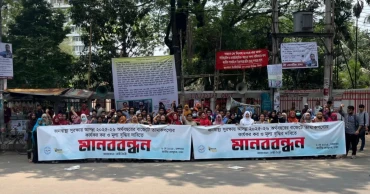
Youth advocates call for higher tobacco taxes in 2025–26 budget
The Youth Forum Against Tobacco on Tuesday called on the government to increase taxes and prices of all tobacco products in the upcoming national budget for 2025–26 to protect public health and save lives.
They organised a human chain in front of the National Press Club with the banner "To Protect Public Health: Demand for Effective Taxation and Price Increases on Tobacco Products in the 2025–26 Budget."
The event saw participation from forum members as well as students from various universities.
They said the easy availability and low prices of tobacco products are putting the nation's health at serious risk.
Prioritise harm reduction in battling tobacco addiction: speakers
They urged the government to take strong action by increasing tobacco prices and adopting stricter tobacco control policies.
Nasrin Akter, Project Coordinator of Nari Maitree, was also present at the human chain.She said,
“The current four-tier pricing structure for cigarettes (low, medium, high, and premium) has made the tobacco taxation and pricing measures ineffective. Particularly, the prices of low and medium-tier cigarettes are very close, allowing consumers to easily switch between tiers. If the low and medium tiers are merged and prices increased in the upcoming 2025–26 budget, it would discourage smoking among low-income groups and the youth.”
She also highlighted specific proposals regarding tax and price increases in the upcoming budget.
These proposals include: merging the low and medium tiers and setting the retail price of 10-stick cigarettes at Tk 90; keeping the high tier price unchanged at Tk 140; setting the premium tier price at Tk 190; and maintaining a 67% supplementary duty on the retail price of cigarettes, along with a 15% value-added tax (VAT) and a 1% health development surcharge.
The human chain also called for setting the retail price of 25-stick non-filtered bidis at Tk 25, and 20-stick filtered bidis at Tk 20, with a 45% supplementary duty. Furthermore, it was proposed that the retail price for 10 grams of jorda be fixed at Tk 55 and for 10 grams of gul at Tk 30, with a 60% supplementary duty imposed.
Besides, a 15% VAT and a 1% health development surcharge should be retained on all tobacco products.
Ashrafia Jannat, Convener of the Youth Forum Against Tobacco, said, “If these proposals are implemented, it could help prevent over 1.7 million premature deaths, including around 900,000 youth. At the same time, it could add over BDT 20,000 crore in extra revenue for the country.”
The Youth Forum Against Tobacco hopes the government will take their message seriously and include effective tobacco tax measures in the upcoming budget to build a healthier and tobacco-free Bangladesh
1 year ago

Tobacco kills 1.61 lakh annually in Bangladesh, experts say
Mentioning that some 1.61 lakh people die every year due to tobacco consumption in Bangladesh, speakers at a seminar said the media should play a crucial role in countering the manipulative tactics of the tobacco industry.
These issues were highlighted at a discussion meeting titled "Amending the Tobacco Control Law to Protect Non-Smokers and Youth: The Role of Media in Countering Industry Interference", held in the capital on Monday.
The National Heart Foundation of Bangladesh organised the event.
Ignoring this alarming death toll, tobacco companies obstruct amendments to the tobacco control law by emphasising revenue concerns, said speakers.
In Bangladesh, 71% of total deaths are caused by non-communicable diseases and tobacco use is a major preventable cause of these deaths.
Presided over by Professor Dr. Khondker Abdul Awal Rizvi, President of the organisation, Prof. Dr. Sohel Reza Choudhury, Head of the Department of Epidemiology and Research, presented the keynote speech.
The National Heart Foundation said that approximately 38.4 million adults in Bangladesh are exposed to secondhand smoke in public places and public transport, despite being non-smokers.
The current interim government has taken steps to amend the existing tobacco control law to protect non-smokers.
However, since this initiative began, tobacco companies have attempted to create obstacles by lobbying the Ministries of Finance and Law, falsely claiming that the amendment would reduce revenue and employment opportunities.
NBR to form committees to curb illegal tobacco trade, boost VAT collection
Meanwhile, an analysis of National Board of Revenue (NBR) data reveals that after the enactment of the Tobacco Control Act in 2005, cigarette tax revenue increased by 17.97% and 37.52% in the following two fiscal years.
Similarly, after the 2013 amendment, cigarette tax revenue increased by 25.51% and 46.52% in the next two fiscal years.
Besides, data from the Bangladesh Bureau of Statistics (BBS) 2021 indicates that the number of retail shops selling food, beverages and tobacco products is only 196,341 and these shops primarily sell other goods along with tobacco products.
This refutes the misleading claim that amending the law would lead to massive job losses.
Journalists attending the event emphasized that young people are the future of the nation, yet they remain a primary target of tobacco companies’ aggressive marketing strategies.
To protect the youth, social awareness must be strengthened alongside urgent amendments to the tobacco control law.
When speaking, Prof. Dr. Rizvi said that more than 61,000 children suffer from diseases caused by secondhand smoke.
Expose tobacco industry’s deceptive tactics to safeguard public health: Experts
Besides, due to the lack of stringent laws, 6.9% of adolescents aged 13 to 15 use tobacco products, he said.
He also urged the government to quickly pass the proposed amendments to safeguard young people and prevent avoidable deaths.
It is worth mentioning that to align the existing law with the World Health Organization’s (WHO) Framework Convention on Tobacco Control (FCTC) and bring it up to global standards, the Ministry of Health has proposed several key amendments.
These include banning designated smoking areas in all public places and public transport; prohibiting the display of tobacco products at points of sale; completely banning corporate social responsibility (CSR) activities by tobacco companies; Increasing the size of health warnings on tobacco packaging from 50% to 90%; Banning the sale of loose cigarettes, unwrapped tobacco products, and smokeless tobacco products in bulk, and prohibiting e-cigarettes and all emerging tobacco products entirely.
Former BCIC Chairman Md. Mostafizur Rahman and several senior journalists from leading media outlets attended the programme.
1 year ago

Taxes curb tobacco use; not sole solution: Adviser Farida
Fisheries and Livestock Adviser Farida Akhter has said that imposing taxes is one of the most effective methods for reducing tobacco consumption, though she emphasised that it is not the only solution.
Despite existing laws banning the promotion of tobacco, cigarette companies continue to create incentives and attractions, which has led to a persistent consumption rate that refuses to decline, she said on Tuesday.
Effective media role vital for tobacco control: Experts
The adviser was speaking at a seminar titled "Proposal for Effective Taxation on Cigarettes for Public Health Protection," organised by Unnayan Samannay at the Bishwo Shahitto Kendro.
Research showed 35.3% of the country’s population consumes tobacco, meaning that one in every three individuals is a user, said Farida. She also said that 22% of preventable deaths are directly linked to tobacco consumption.
Farida said according to SDG target 3.9, tobacco use needs to be significantly reduced to protect public health, she also called for amendments to the tobacco control law to ensure its enforcement by 2030.
Adviser Farida said that while there is apprehension within the National Board of Revenue about the impact of higher taxes on tobacco use, research consistently showed that although tobacco use may slightly decrease, the overall revenue would increase as a result.
Anti-tobacco activities to be strengthened in Gazipur city
The Adviser also called on leaders of the anti-discrimination movement to take a more active role in the tobacco control efforts, urging them to lead campaigns that will raise public awareness and encourage behavioral change.
Speakers at the seminar expressed concerns that although cigarette prices have been gradually increased in recent years, this has not achieved the desired results. They called for more significant tax hikes, arguing that if cigarette prices become unaffordable, tobacco consumption will drastically decrease.
Young doctors demand six amendments to bring Tobacco Control Law up to date
Zahid Rahman, senior programme coordinator at Unnayan Samannay chaired the programme.
Mohammad Mostafizur Rahman, lead policy adviser of CTFK-Bangladesh, Dr. SM Zulfiqar Ali, research director at BIDS, and Umama Fatema, spokesperson for the Anti-Discrimination Student Movement, attended the programme, among others.
1 year ago

‘38.4 million Bangladeshis, mostly women and children, exposed to secondhand smoke’
The Mothers' Forum Against Tobacco on Wednesday called for the rapid passage of the proposed amendments to the Tobacco Control Law, citing the harmful impact of secondhand smoke on mothers and children.
The demand was made during the formation meeting of the Anti-Tobacco Mothers' Forum, organized by Nari Maitree at Krishibid Institute Bangladesh.
Eighteen mothers at the event raised awareness about the dangers of smoking, both direct and secondhand, and to push for stronger tobacco control measures. The forum emphasized that passive smoking poses a significant health risk to women and children, even if they do not smoke themselves.
Shivani Bhattacharya, former Additional Secretary of the Ministry of Social Welfare, convened the meeting, which was co-convened by Shahnaz Begum Poly, management committee member of the National Press Club, and Afsana Nowrin. Shaheen Akter Dolly, Executive Director of Nari Maitree, chaired the event.
Prioritise harm reduction in battling tobacco addiction: speakers
Abdus Salam Mia, Programs Manager at Campaign for Tobacco-Free Kids Bangladesh, highlighted the urgent need for the government to act swiftly.
During the meeting, Nari Maitree’s project coordinator, Nasrin Akter, presented alarming data, revealing that 37.8 million people in Bangladesh use tobacco, with an estimated 442 deaths per day from tobacco-related diseases.
The forum called for the immediate approval of the Ministry of Health’s proposed amendments to the Tobacco Control Law, which include eliminating smoking areas in public places, banning tobacco product displays at points of sale, prohibiting corporate social responsibility activities by tobacco companies, and restricting the marketing of e-cigarettes and heated tobacco products. Other key provisions include banning loose sales of tobacco products and increasing the size of pictorial health warnings on tobacco packaging from 50% to 90%.
Convener Shivani Bhattacharya pointed out that 38.4 million people in Bangladesh, predominantly women and children, are exposed to secondhand smoke, which leads to serious health issues such as miscarriages, premature births, low birth weight, and stillbirths.
The forum pledged to provide ongoing support in pushing for the passage of the amendments and to work tirelessly to educate mothers on the dangers of tobacco use and secondhand smoke. The forum also stressed the importance of effective taxation on tobacco products and urged the National Board of Revenue and the Ministry of Finance to take action.
Abdus Salam Miah underscored the role of mothers in protecting young people from tobacco addiction, which is becoming more common among teenagers. Citing a World Health Organization Global Youth Tobacco Survey, he noted that nearly 12% of Bangladeshi adolescents aged 13 to 15 are regular smokers.
Notable attendees included writer and columnist Sapna Reza, News Editor of Views Bangladesh Maria Salam, Senior Reporter of Ittefaq Rabia Hossain Baby, President of Kheya Women and Child Development Organization Farzana Shammi, and mothers from diverse professional backgrounds.
1 year ago

Effective Home Remedies to Combat Bad Breath
Bad breath, or halitosis, is a common yet uncomfortable and often embarrassing problem that can affect anyone. While it can stem from various causes, understanding and addressing these issues can help you maintain fresh breath. This article explores natural solutions to keep your breath fresh and your confidence high. Embrace these home remedies to enjoy fresh, pleasant breath every day!
Common Causes of Bad Breath
Poor Oral Hygiene
Poor oral hygiene is the most common cause of bad breath globally. Inadequate brushing and flossing can leave food particles in the mouth, which bacteria break down, causing unpleasant odors. Plaque, a sticky film of bacteria, can build up if teeth are not brushed regularly, contributing significantly to bad breath.
Certain Foods and Drinks
Certain foods, such as garlic, onions, and spices, have strong odors that can linger in the mouth. Beverages like coffee and alcohol can also contribute to bad breath.
Read more: How to Keep Your Skin Healthy During Monsoon
Dry Mouth
Saliva helps cleanse the mouth by neutralizing acids produced by plaque and washing away dead cells that accumulate on the tongue, gums, and cheeks. When saliva production is reduced, these cells break down and result in bad breath. Conditions like xerostomia (dry mouth) can exacerbate this issue.
Tobacco Products
Smoking and the use of other tobacco products can leave chemicals that cause a persistent odor. Tobacco also affects oral health, contributing to gum disease and other dental issues that can cause bad breath.
Medical Conditions
Several medical conditions can contribute to bad breath, including:
- Respiratory infections
- Gastrointestinal problems
- Diabetes
- Liver or kidney disease.
Read more: Circadian Rhythm: How to Reset the Biological Master Clock
Dental Issues
Gum disease, cavities, and oral infections can all contribute to bad breath. Bacteria that accumulate in cavities or pockets formed by gum disease can produce foul-smelling odors.
Medications
Certain medications can cause dry mouth, leading to bad breath. Additionally, some medications break down in the body to release chemicals that can be carried on your breath.
Mouth, Nose, and Throat Conditions
Infections or chronic inflammation in the nose, sinuses, or throat, which can contribute to postnasal drip, can also result in bad breath.
Read more: What is Autism spectrum disorder? Why is Autism Awareness Important?
Poor Diet
Low-carb diets can cause a condition called ketosis, which produces fruity-smelling breath due to the breakdown of fats in the body.
Home Remedies for Bad Breath
Practice Good Oral Hygiene
Maintaining solid oral hygiene is crucial for fresh breath. Brush your teeth twice daily with fluoride toothpaste for two minutes. Clean your tongue daily using a tongue scraper or toothbrush to remove bacteria and food particles. Additionally, flossing daily is necessary to eliminate food particles and plaque between teeth, preventing bacterial growth and ensuring a clean mouth.
Stay Hydrated
Dehydration is a major contributor to bad breath. Drinking plenty of water is essential as it helps keep your mouth moist and promotes saliva production. Saliva washes away food particles and bacteria, preventing bad breath.
Read more: Cerebral Haemorrhage: Signs, Reasons, Treatment, and Prevention
Use a Natural Mouth Rinse
Combat bad breath with homemade mouth rinses. For a baking soda rinse, mix a teaspoon of baking soda in a glass of water; it neutralizes odors and kills bacteria. Alternatively, use an apple cider vinegar rinse by mixing a tablespoon of apple cider vinegar in a glass of water. Both options effectively freshen your breath.
Salt Water Rinse
This is a simple and effective way to freshen your breath. Mix ½ teaspoon of table salt with a cup of warm water. Swish thoroughly for 30 seconds and spit. The salt helps neutralize acids produced by bacteria and eliminate odor-causing microbes.
Chew Fresh Herbs
Chewing on fresh herbs like mint (pudina) can help mask bad odors and promote fresh breath. These herbs contain chlorophyll, known for its deodorizing properties, making them effective natural remedies for maintaining pleasant breath. Incorporate these herbs into your daily routine for a fresher, cleaner mouth.
Read more: How Does Fat Leave the Body When We Lose Weight?
Spice Up Your Breath
Certain spices common in Bangladeshi cuisine can be surprisingly helpful. Briefly chew on a clove, fennel seeds, or coriander seeds. These spices have natural antibacterial properties and leave a refreshing taste.
Eat Crunchy Fruits and Vegetables
Crunchy fruits and vegetables such as apples, carrots, and cucumbers can help clean teeth and stimulate saliva production. These foods act as natural toothbrushes, effectively scraping away plaque and food particles, promoting better oral hygiene and fresher breath. Incorporate these healthy snacks into your diet to maintain a cleaner mouth naturally.
Use Essential Oils
Essential oils with antibacterial properties can help fight bad breath. For instance, add a few drops of peppermint oil to a glass of water and use it as a mouthwash. Clove oil can be used similarly to peppermint oil, providing a natural and effective way to maintain fresh breath and reduce oral bacteria.
Read more: Measles: Causes, Symptoms and Prevention
Probiotics
Probiotics aid in regulating the balance of bacteria within the oral cavity and digestive tract. Probiotic foods like yogurt can promote good bacteria and enhance oral health. Include yogurt in your diet to benefit from its probiotic properties, leading to fresher breath and a healthier mouth.
Maintain Regular Dental Check-ups
Regular dental appointments play a critical role in preserving oral well-being. Professional cleanings can remove plaque and tartar that you might miss with regular brushing and flossing. Your dentist can also identify any potential issues that are causing bad breath.
Additional Tips for Fresh Breath
- Avoid sugary foods and drinks
- Quit smoking
- Chew sugar-free gum
- Use a tongue scraper
- Stay away from alcohol-based mouthwashes
- Regular dental check-ups.
Read more: Colon Cancer: Everything You Need to Know
Conclusion
Bad breath can be a nuisance, but with the right home remedies, you can overcome this issue. Maintaining good oral hygiene, staying hydrated, and using natural remedies can keep your breath fresh and your confidence intact. Remember, if bad breath persists despite trying these remedies, it may be a sign of an underlying health issue. In such cases, it is best to consult a healthcare professional. By addressing the root causes and adopting these natural solutions, you can enjoy fresh, pleasant breath every day.
2 years ago

Bangladesh Economic Association proposes 70 percent tax on cigarettes, tobacco
The Bangladesh Economic Association (BEA) has proposed a 70 percent tax on all types of cigarettes and tobacco in the next budget.
The association reckons that doing so will reduce smoking by about 66 percent, alongside generating revenue of Tk1,700 crore for state coffers.
The proposal was submitted to the National Board of Revenue (NBR) during the pre-budget discussion held at the NBR Building on Sunday (February 18).
The General Secretary of the BEA Professor Dr. Md. Aynul Islam presented the budget proposal. Vice President of the association Professor Hannana Begum was present.
Read more: Govt cut VAT, duty on import of 4 essential items ahead of Ramadan
According to the BEA's proposal, imposing a single supplementary duty of 70 percent on all types of cigarettes would increase the price of cigarettes by an average of 130 percent.
Smoking will be reduced by 66 percent. About 70 lakh smokers will quit smoking, and about 71 lakh young people will stop habituating to smoking. Also, the additional tax revenue of the government will be earned at least Tk1700 crores, the proposal stated.
Similarly, the BEA demanded to impose a tax of 70 percent on all types of tobacco products including smokeless tobacco such as jorda, gul, sadapata, etc.
On the other hand, in the case of bidi, if the tax is imposed at the rate of Tk 4.90 on the retail price of every 25 shalak (piece) packet, the government will be able to collect additional revenue of Tk 800 crore.
Read more: ICMAB delegation takes part in pre-budget discussion with NBR
The BEA thinks with such a tax increase; revenue earning will be raised and it would help to revive the economy from the ongoing economic crisis. The BEA has a total of 27 new sources of revenue income.
At this time, Prof Aynul said, as a method of gathering resources for the upcoming budget, no pressure can be applied on the general population, such as the poor, lower class, lower middle class, and middle class.
Due to various reasons, this class of people is now in a severe economic crisis. It would be unfair at this moment to rely completely on them as in the past for tax collection.
In that case, the imposition of additional income tax on these three groups – the super-rich, the rich, and the upper-middle class – can be considered, said Prof Aynul.
Read more: PROGGA, ATMA for imposing specific taxes on tobacco products
2 years ago

Industry monitoring must to advance tobacco control: Research
A new study published in the British Medical Journal’s Tobacco Control journal has highlighted the importance of monitoring the tobacco industry’s interference in the formulation and implementation of graphic health warnings.
The study titled “Tobacco industry interference to undermine the development and implementation of graphic health warnings in Bangladesh” examined the tobacco industry’s efforts to “delay and weaken” the implementation of graphic health warnings (GHWs) in Bangladesh.
The study found that the Bangladesh Cigarette Manufacturers’ Association (BCMA) was the most active industry actor in interfering with the process, reads a media release sent by PROGGA.
Also Read: Amend tobacco law in line with WHO guideline, speakers urge govt
British American Tobacco Bangladesh (BATB) was most active and the only company that acted alone to thwart GHW implementation, according to the study.
The study urges the government of Bangladesh to adopt WHO FCTC Article 5.3 Guidelines and to make their implementation a policy priority.
The paper was co-authored by Professor Anna B Gilmore, Director of the Tobacco Control Research Group at the University of Bath; Dr Britta K Matthes, Research Associate in the Tobacco Control Research Group at the University of Bath; and four tobacco control advocates from PROGGA (Knowledge for Progress), a Bangladesh-based anti-tobacco research and advocacy organization – ABM Zubair, Executive Director of PROGGA, Md Hasan Shahriar, Head of Programs, Md Shahedul Alam, Head of Advocacy, and Md Mehedi Hasan, Media Manager of Tobacco Control Program.
3 years ago

Strengthening law a must to ensure tobacco-free Bangladesh: Minister
Agriculture Minister Dr Muhammad Abdur Razzaque on Wednesday said it is necessary to strengthen the tobacco control law to achieve the goal of a tobacco-free Bangladesh.
He also said the initiative to fortify the tobacco control law to curb tobacco use is a timely one.
The minister came up with the comments during a meeting with a delegation from research and advocacy organization PROGGA and ATMA (Anti-Tobacco Media Alliance) at the Secretariat, said a press release.
Read: Fallow lands to be brought under cultivation: Agriculture Minister
The meeting was organised to inform the minister about the progress made by the Health Ministry in amending the tobacco control law and the potential role that the Agriculture Ministry can play in the process.
Dr Abdur Razzaque said his ministry has full support for the Health Ministry's proposals for tobacco control law amendment.
The delegation of PROGGA and ATMA informed the minister that currently the prevalence of tobacco use stands at 35.3 percent (37.8 million) of the adult population (15 y/o and above).
They said the tobacco-induced deaths and diseases cost the economy dearly since the financial toll is much higher than the revenue generated from tobacco sector.
Read: No famine risk in Bangladesh right now: Agriculture Minister
Realizing the extent of tobacco’s devastation, the Prime Minister voiced her commitment to build a tobacco-free country by 2040 and accordingly provided the directive to bring time-fitting changes to the tobacco control law, they observed.
Following clear directive from the PM, the Health Ministry took the initiative to amend the law.
3 years ago

Tobacco Control Act: BSOA wants quick approval of proposed amendment
The Bangladesh Supermarket Owners' Association (BSOA) have demanded quick approval of the proposed amendment to the Tobacco Control Act.
Recently the health ministry has prepared a draft for further revision of the Tobacco Control Act 2005.
The BSOA leaders were speaking at a joint discussion with Dhaka Ahsania Mission Sunday in Dhaka, according to a media statement.
BSOA Chief Advisor and Founder President Niaz Rahim said the government has set a target to make the country tobacco-free by 2040.
Read: HC reconstitutes Destiny board of directors
"We hope the amended law will be passed soon and the government's vision will be implemented."
Campaign for Tobacco-Free Kids Bangladesh Lead Policy Advisor Md Mostafizur Rahman said the current Smoking and Tobacco Products Usage (Control) Act 2005 completely prohibits the advertising and promotion of tobacco products.
However, the existing law does not specifically prohibit the display of tobacco products at the point of sales, he added. "Tobacco companies are mainly advertising and promoting tobacco products through the exhibition of their products at the sales centres."
So, the health ministry recently formulated a draft for further revision of the Tobacco Control Act, Mostafizur said.
4 years ago