malaria
Scientists propose drug-treated bed nets to combat malaria
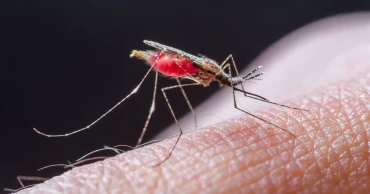
US researchers have proposed a new strategy to combat malaria by treating mosquitoes with anti-malarial drugs instead of solely relying on killing them with insecticides.
Traditionally, efforts to curb malaria—responsible for nearly 600,000 deaths annually, mostly among children—have focused on eradicating mosquitoes, the disease's primary carriers.
But a team from Harvard University has identified two drugs capable of eliminating malaria parasites inside mosquitoes.
NASA’s Perseverance Rover snaps selfie with surprise appearance by Martian dust devil
When the insects absorb the drugs through their legs, the parasites are killed, rendering the mosquitoes unable to transmit the disease.
The long-term plan is to apply this drug combination to bed nets. These nets, a key defense against malaria, serve as both a physical barrier and a delivery system for insecticides. However, the effectiveness of insecticides has declined due to growing resistance among mosquito populations.
Dr. Alexandra Probst of Harvard noted that this new strategy directly targets the malaria parasites within mosquitoes—a shift from the traditional focus on killing the insects themselves. She explained that because each mosquito carries only a few parasites (compared to billions in an infected human), there's a lower risk of the parasites developing drug resistance.
Researchers screened thousands of compounds and identified 22 promising candidates, eventually finding two that completely eradicated the parasites in tests. The drugs, when applied to materials like those used in bed nets, maintained their effectiveness for up to a year, offering a potentially cost-effective and durable solution.
Four-legged investigators sniff out spotted lanternfly eggs to slow the spread of invasive pest
The approach has so far only been tested in the lab. A real-world trial is set to begin in Ethiopia, but it may take around six years to determine the strategy’s overall effectiveness. The ultimate goal is to create bed nets treated with both insecticides and anti-malarial drugs to maximize protection.
1 year ago

Why do Mosquitoes bite me so much?
Do you ever wonder why mosquitoes bite you always while your partner or family members are sitting beside you without getting bitten?
Mosquito bites not only leave irritating itchings; but also threaten life. Some mosquitos may create life-threatening diseases such as malaria, dengue, zika, chikungunya, etc. While more than 3500 types of mosquitos are available worldwide, a few of those species bite people.
Interestingly, these insects don’t bite everyone continuously. Mosquitoes seem to love some people more than others. If you are often attacked by mosquitos, stay with us! This article will explore the reasons why mosquitoes bite you more than others.
Read 10 houseplants that are bad for your pets
8 Reasons Why Mosquitoes Are Attracted to You So Much
Why do mosquitoes bite some people more than others? And is there anything we can do to stop them from biting? Here are the 8 commons reasons why some people are more like to be bitten by mosquitoes.
Body Odor
Mosquitoes are attracted to certain chemicals in the sweat of humans, and they use this to locate their victims. In fact, body odor is one of the main factors that determine how likely you are to be bitten. A person’s individual body chemistry plays a role in how attractive they are to mosquitoes.
Studies have found that some compounds, such as lactic acid and ammonia, attract mosquitoes. But there are some general guidelines that everyone can follow to minimise their risk of being bitten. Try to avoid scented products like perfumes or lotions, as these can actually attract mosquitoes.
Read Dengue vs. Severe Dengue: Causes, Symptoms, Treatment, Prevention
Carbon Dioxide Emission
Carbon dioxide is a gas that is produced when humans and animals exhale. It is also produced when certain types of plants decay. Mosquitoes are attracted to the CO2 that a living being emits during the process of inhalation.
The mosquitoes use CO2 to locate humans. The amount of carbon-di-oxide a person emits may decide whether mosquitoes will be more attracted to him or not. In short, carbon dioxide is indirectly responsible for mosquito bites.
Heat and Water Vapor
Mosquitoes tend to home in on human bodies by following the heat signature that bodies give off. These insects are attracted to the vapor that we exhale as well as the heat that our bodies radiate.
Read Low-grade Fever: Causes, Symptoms, Treatments, Prevention
When a mosquito is close enough to sense these things, it will fly toward a human body and attempt to land on that individual’s skin. Once the mosquito is on human skin, it will insert its long, sharp proboscis into the person’s flesh in order to feed on our blood.
The amount of body heat and vapour that a human emits determines how attractive s/he is to mosquitoes. Those who emit more heat and vapor, such as pregnant women or people who exercise vigorously, are more likely to be bitten by mosquitoes.
However, there are ways to reduce the amount of heat and vapor that you emit, such as wearing light-colored clothing and staying cool and dry. By taking these measures, you can make yourself less attractive to mosquitoes and avoid being bitten.
Read Bug-free Home: How to get rid of insects indoors
Colors
A study has found that certain colors may be more likely to attract mosquitoes. The study found that mosquitoes were most attracted to dark colors such as black, likely because they contrast sharply with the color of the sky. The findings suggest that wearing clothing in black colors may increase your risk of being bitten by a mosquito.
Alcohol Consumption
The link between alcohol and mosquito bites may seem a bit counterintuitive, but there is actually a strong connection between the two. For one thing, alcohol consumption can cause changes in the body that make someone more attractive to mosquitoes.
For example, alcohol consumption can raise body temperature, making someone more likely to be bitten. In addition, alcohol consumption can cause dehydration, which makes the skin drier and more vulnerable to biting insects.
Read Climate change making dengue an annual affair in Bangladesh
Pregnancy
Pregnancy is related to a mosquito bite in a few ways. One way is that a pregnant woman’s blood is more ‘appetizing’ to a mosquito than that of a non-pregnant woman. A second way is that a pregnant woman’s body temperature is higher, making her more attractive to mosquitoes.
Body Size
The size of a person does not affect how often they get bitten by mosquitoes. Larger people simply have more surface area for mosquitoes to choose from. However, body fat percentage does play a role in how attractive you are to mosquitoes.
Studies have shown that people with higher levels of body fat are more likely to get bitten than those with lower levels of body fat. This is because mosquitoes are attracted to the lactic acid that is produced when fat is metabolized.
Read How to protect yourself and your family fron Dengue Fever
Blood Type
It’s long been known that different people react differently to mosquito bites. Some people’s skin may swell up and itch for days, while others seem to barely notice they have been bitten. Now, scientists have discovered that there may be a correlation between blood type and mosquito bites.
In a 2004 study, participants with type ‘O’ blood were found twice as likely to be bitten by mosquitoes than those with type ‘A’ blood. The reason for this difference is still unknown, but it’s possible that mosquitoes are attracted to the chemicals found in type O blood. Whatever the reason, you should keep in mind your blood type before heading outdoors into mosquito-prone areas.
How to Stay Safe from Mosquitoes?
Fortunately, there are a few simple steps you can take to reduce your risk of being bitten.
First, make sure to use mosquito repellent whenever you go outside, especially during peak mosquito hours (dawn and dusk).
Read Don't use pesticides, but destroy mosquito breeding places
You should also wear loose-fitting clothing that covers your arms and legs, as mosquitoes can bite through tight fabric. If possible, avoid standing water, as this is where mosquitoes lay their eggs.
Finally, be sure to keep your home or campsite clean and free of debris, as mosquitoes can breed in even small amounts of standing water.
By following these simple tips, you can enjoy the outdoors without having to worry about mosquito bites.
Read Keep houses clean to prevent dengue: Khokon - UNB
Final Words
So far, we have discussed why mosquitoes bite some people more than others. While there are many factors that contribute to some of the reasons may include skin sensitivity, an inability to fight off the mosquito, or simply being easier prey.
Mosquito bites can be more than just a nuisance. They can also transmit deadly diseases. However, following the above-mentioned preventive and control measures, you can be less attractive to mosquitoes, and thus minimise the risks of mosquito bites.
4 years ago

Malaria grips Jurachari, 388 cases in two months, say docs
Malaria has gripped an inaccessible hilly upazila of Rangamati district.
Jurachari upazila has seen as many as 388 cases of the vector-borne disease in the past two months, a sudden spurt that has put the local health authorities on high alert.
Caused by Plasmodium parasites, malaria affects over 200 million people worldwide annually. This is according to the World Health Organization.
According to the Jurachari upazila health complex authorities, some 265 people were infected with malaria in July. The figure was 123 in June.
Most of the victims were from the inaccessible Moidang and Dumdumya union parishads.
Read: Geoengineering can put 1 billion people back at risk of Malaria: Icddr’b study
Ward members of Dumdumya union, Laxmi Lal Chakma and Kala Cokha Tanchainga, told UNB, “Every week, at least 7-8 cases of malaria are reported from here."
According to doctors, June and July usually see a spurt in malaria cases in the hilly region. "The situation may prevail till October,” said Dr Ananya Chakma, upazila health and family planning officer.
Samur Pangkhoa, headman of Dumdmya mouza, said, “In the last two years, malaria cases were low. However, this year, we are witnessing a rise in the cases."
Amar Shanti Chakma of Bagakhali Community Clinic, also said that the number of malaria cases are on the rise.
However, Dr Ananya allayed fears. "Even if malaria cases are increasing, there is no need to panic. We have adequate stock of medicines at the upazila health complex and community clinics."
4 years ago
.jpg)
Covid-19 threatens global progress against malaria: WHO
UN World Health Organization (WHO) urged nations and health partners to step up the fight against malaria, with better targeting of interventions, new tools and increased funding.
5 years ago

UN: More than 7 million malaria cases in Burundi outbreak
The World Health Organization says more than 7 million cases of malaria have been reported in Burundi this year. Officials blame the outbreak on factors including the lack of protective bed nets, problems with medicines and climate change.
6 years ago