price hike
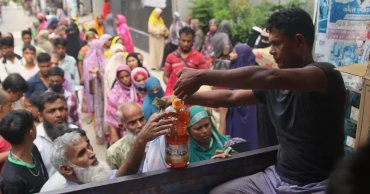
Rising costs drive Dhaka residents to subsidised TCB truck sales
As the cost of living continues to put pressure on household budgets, hundreds of people crowded around Trading Corporation of Bangladesh (TCB) truck sales across the capital on Saturday in search of essential commodities at subsidised prices.
5 months ago

Soaring price of fresh produce and its effect on low-income families of Dhaka
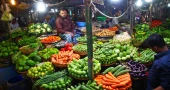
As the scent of winter promises relief, the fresh produce markets of Dhaka are delivering a different kind of jolt: sudden and sharp price hikes on essential food items. For the city's ordinary citizens, this surge in the cost of living is a heartbreaking compromise between family needs and financial reality.
The recent spike in prices for both seasonal vegetables and proteins is placing an immediate and heavy burden on middle and low-income families, with a simple trip to the market becoming a source of anxiety.
The struggles reported by consumers and small traders across the capital show a widening gap between market reality and the goal of price stability pursued by bodies like the Directorate of National Consumer Rights Protection (DNCRP).
Read more: Winter fails to cool prices as Khulna kitchen markets see fresh hikes
Reality of the Market
The escalating prices are not abstract figures; they are deeply personal crises.
Md. Dulal, a security guard, shared his heartache over a family craving. "The duck meat is now selling for Tk 500 per kilogram. My children had their hearts set on it, but with the price going up, it's out of our reach now. It's simply a luxury we cannot afford."
The protein crisis extends to fish as well. Md. Mainuddin, a fish trader himself, noted the extreme costs for premium catches. "A one-kilogram Hilsa fish goes for Tk 2,800, and a large Rupchanda fish is Tk 1,200 per kg, which is far too high for the average buyer, even if other fishes are slightly lower in price."
11 months ago
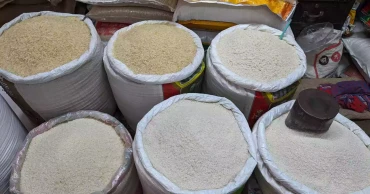
Human chain in Ctg demands urgent action to curb rice price hike
Speakers at a human chain in Chattogram city on Thursday expressed deep concern over the abnormal rise in rice prices and demanded immediate government measures to control the rice market.
They alleged that unscrupulous traders are manipulating prices at will amid lax market monitoring.
The human chain was arranged by Bangladesh Food Security Network (KHANI), Consumers Association of Bangladesh (CAB) Chattogram, ISDE Bangladesh, and Pran on Jamal Khan Press Club premises. Youth CAB Chattogram Metropolitan President Abu Hanif Noman moderated the event.
No immediate power price hike, assures Finance Adviser
Citing official data, speakers said rice prices alone contributed nearly 40% to the country’s food inflation in May 2025 despite sufficient Boro season production, said a press release.
They blamed weak market monitoring, increased milling costs, price instability at the paddy level, and hoarding by corporate groups and millers for the soaring prices.
They said lower- and middle-income people, struggling with stagnant incomes, are being forced to rely solely on rice while cutting out essential nutrition such as fish, meat, pulses, and vegetables.
“This is creating long-term malnutrition and health risks especially for children and the elderly,” said KHANI General Secretary Nurul Alam Masud.
Quoting the UN Food Agency data, they said around 20% of Bangladesh’s population faces food insecurity with 3 out of 10 people unable to meet daily nutritional needs.
The World Food Programme 2024 data shows that the monthly cost for minimum calorie-based meals stands at Tk 3,051 per person—69.5% higher than the food poverty line.
BERC reduces LPG, auto gas prices for July
They placed five key demands at the human chain. These are:
1. Expand direct rice procurement from farmers by the government.
2. Introduce a rationing system for the poor and vulnerable groups.
3. Protect small farmers by strengthening production, pricing, and consumption capacities.
4. Increase OMS (Open Market Sale) and TCB food programmes to support at-risk communities.
5. Monitor rice markets, prevent hoarding, and break syndicate control to stabilise prices.
CAB Vice President S M Nazer Hossain, senior journalist and former president of Chattogram Journalists Union M Nasirul Haque, women's rights activist Jesmin Sultana Paru, Bangladesh Human Rights Foundation Secretary General Advocate Zia Habib Ahsan, Bangladesh Fruits and Vegetables Exporters Association leader Mohammad Selim Jahangir, and several other civic and political representatives voiced their concern at the event.
1 year ago

Nari Maitree demands for effective tax and price increase on tobacco products
Nari Maitree, media professionals, and tobacco control experts on Monday called for price hikes and effective taxation on tobacco products in the upcoming national budget, to protect public health by reducing tobacco use.
This demand was raised at a press conference titled "Demand for Effective Tax and Price Increase on Tobacco Products in the Upcoming Budget 2025-26 for Public Health Protection", held at the National Press Club.
Speakers urge to increase budget allocation for water, sanitation sector
The press conference was presided over by Shaheen Akter Dolly, Executive Director of Nari Maitree while Mir Masrur Zaman, Chief News Editor of Channel i, and speaker Dr. Shafiun Nahin Shimul, Professor of Health Economics at Dhaka University, were present. Representatives from the Youth Forum Against tobacco, Mothers’ Forum Against tobacco , Teachers’ Forum Against tobacco and students from various universities also attended the event.
Speakers demanded that the lower and medium tiers of cigarettes be merged, setting the minimum retail price of a 10-stick cigarette pack at TK 90. They pointed out that due to the close price range between these two tiers, consumers tend to switch to cheaper options when prices rise, especially from medium to lower tiers. However, merging the two and increasing prices would discourage consumption, particularly among youth, potentially preventing around 900,000 premature tobacco-related deaths among young people in the long term.
In the keynote speech, Hasan Shahriar, Head of the Tobacco Control Program at PROGGA, stated, “The current four-tier price structure of cigarettes (low, medium, high, and premium) hinders effective taxation and pricing strategies. Especially the minimal price difference between the low and medium tiers allows smokers to easily switch between them. If these tiers are merged and prices increased in the 2025-26 budget, it would discourage smoking among low-income groups and the younger generation.”
He also outlined the proposed tax and price measures, including setting the retail price of a 10-stick cigarette pack at BDT 90 by merging the low and medium tiers, keeping the high-tier retail price unchanged at BDT 140, setting the premium-tier price at BDT 190 per 10 sticks, imposing a 67% supplementary duty, 15% VAT, and a 1% health development surcharge on the retail price of cigarettes.
Additionally, the demand includes setting the retail price of a 25-stick non-filtered bidi pack at TK 25 and a 20-stick filtered bidi pack at TK 20, with a 45% supplementary duty. A 10-gram pack of jorda should retail at BDT 55, and a 10-gram pack of gul at BDT 30, each with a 60% supplementary duty. All tobacco products should continue to be subject to a 15% VAT and a 1% health development surcharge on their retail prices.
Retired customs and VAT officers urge govt to revise new revenue ordinance
Nasrin Akter, Coordinator of the Tobacco Control Project at Nari Maitree, stated that reforming the existing tax system as per the recommendations in the upcoming budget could reduce cigarette use from 15.1% to 13.03%. It would encourage nearly 2.4 million adults to quit smoking and discourage around 1.7 million youths from starting. In the long run, it could prevent approximately 864,758 adult and 869,000 youth premature deaths. Moreover, it could generate around BDT 68,000 crore in revenue, an increase of BDT 20,000 crore compared to the previous year—representing a 43% rise.
1 year ago
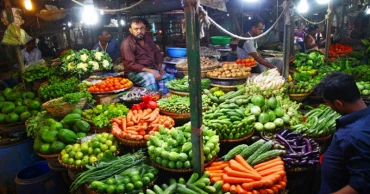
Ramadan nears; escalating food prices spark worries in Bangladesh
With inflation already near record levels and traders raising the prices of essential commodities ahead of Ramadan, low- and middle-income families fear greater struggles as the fasting month approaches.
The interim government has assured that it has taken measures to ensure a steady supply of essential commodities and prevent syndicate-created market instability during the holy month.
Prices are usually increased during Ramadan almost every year using various excuses and the past experiences raise no hope among general people despite the government's assurance.
Commerce Adviser Sk. Bashir Uddin told UNB that various initiatives have been taken to keep the prices stable and ensure adequate stock of essentials ahead of Ramadan and Eid.
"The government is making every effort to control prices during Ramadan. Strict monitoring will be ensured to keep the market free of syndicates," the adviser said.
No change in duties until Ramadan ends: Finance Adviser
The government is ready to maintain the supply of essential items such as dates, chickpeas, lentils and other staples during Ramadan. “The food market will remain stable and prices are expected to decrease."
Adviser Bashir Uddin said he warned traders against unethical practices and urged them to act responsibly and help keep the market stable during Ramadan.
The government’s main aim is to protect the sanctity of Ramadan and create a market environment that brings relief to consumers, he added.
Meanwhile, Chief Adviser Dr Muhammad Yunus has instructed field-level officials to prioritise the smooth supply of goods and keep the prices of essentials within people’s purchasing capacity during the fasting month, he said.
The government has taken some steps, including market monitoring, syndicate control and ensuring uninterrupted supply of essentials, he said.
Controlling Syndicates
The adviser said monitoring has been intensified to prevent artificial crises and price hikes caused by syndicates of traders.
Keep prices under control during Ramadan: CA to officials
The Directorate of National Consumer Rights Protection (DNCRP) and other law enforcement agencies will work to check unethical practices.
Uninterrupted Supply
Adequate stocks of essential items such as rice, lentils, sugar, cooking oil, onions and garlic have been ensured and measures have been taken to prevent any disruptions in import and supply chains.
Daily Market Monitoring
Daily surveillance will be enhanced to detect and penalise unscrupulous traders and instant action will be taken against those attempting to create artificial crises.
The adviser said consumers have been urged to avoid panic buying and purchase goods at fair prices.
Expansion of TCB Activities
The distribution of essentials through the Trading Corporation of Bangladesh (TCB) at subsidised rates have been scaled up to ensure availability of goods throughout Ramadan.
Govt trying to keep prices of essentials tolerable till Ramadan: Finance Adviser
Special Task Force
A special task force under the Ministry of Commerce has been formed to monitor market trends and prevent artificial crises.
According to Commerce Ministry officials, the imports of essential commodities such as chickpeas, lentils, dates, sugar and soybean oil have been expedited to ensure steady supply until Ramadan.
The government has also planned to establish storages to control potato prices.
Inflation
Bangladesh’s economy in 2024 faced major challenges as rampant inflation not only eroded purchasing power but also overshadowed the country’s progress in other areas.
Commodity prices to stay below normal during Ramadan: Commerce Adviser
The inflation rate in Bangladesh reached an alarming average of 11.38% in November 2024, marking the highest level in over a decade. It hit 11.66 percent in July, the highest at least since the 2010-11 fiscal year, driven mainly by food prices reflecting the worsening of the purchasing capacity of people.
This sharp increase was fuelled primarily by escalating food prices, which constitute a significant portion of household expenditure and the Consumer Price Index (CPI).
Food inflation, in particular, hovered around 12%-14% for most of the year, as prices of essentials like rice, cooking oil, and vegetables surged.
Non-food inflation also rose steadily, driven by increased transportation costs, higher utility bills, and imported goods becoming more expensive due to currency depreciation.
1 year ago

Commerce Adviser acknowledges public suffering due to rice price hike
Acknowledging the suffering of general people due to rice price hike, Commerce Adviser Sk. Bashir Uddin has said that the government cut a 60 percent duty on rice import to keep the local market stable.
He said this while talking to reporters after a meeting with his Turkey counterpart Prof Dr Ömer Bolat at the Secretariat on Thursday.
Asked about the preparedness ahead of the Ramadan to keep commodities at tolerable levels, he said, “We are prepared overall with the Ramadan and taking several initiatives on the rice market at this moment. We are relaxing the import while the duty on rice import was about 63 percent; we have reduced it to 3 percent.”
The Ministry of Food has been importing several lakh tonnes of rice from India, Pakistan and Myanmar, said the adviser.
Bashir Uddin assured that there would be no crisis of rice till April as a full season of Aman was going on now. There has been no inconsistency of any product so far.
Read: Government aims to stabilize rice market, ensure trader support: Commerce Adviser
Seeking cooperation from the reporters to take actions against syndicates who manipulate the rice market, he said that there was no crisis of the rice market now but the rice price hiked slightly due to the weather, flood and other issues.
Warning of strict action against the manipulators, he hoped that the rice market would be stable soon.
He said distribution of rice to 63 lakh families who hold TCB smart cards would begin this week and 50 lakh families would also get rice at lower price under the Food-friendly Programme.
Replying to a query, adviser Bashir Uddin said they scrapped 37 lakh smart cards due to corruption as one more member from the same family managed cards through forgery.
Read more: Government to import rice, LNG to meet domestic demand
"We want to add another 37 lakh cards. If it’s possible to increase it from one crore by bringing transparency in procurement and marketing, we will do that too,” he said.
1 year ago
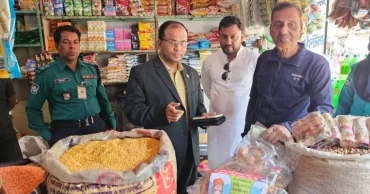
Directorate of Consumers' Rights continues crackdown on price hike
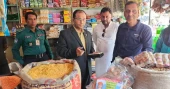
The consumer market surveillance team of the Directorate of National Consumers' Rights Protection (DNCRP) and a special task force have been conducting raids against market manipulation and the price hike of goods.
On Wednesday, raids were carried out in all divisions and districts of the country, including Dhaka Metropolitan area, to stabilize the prices of daily necessities such as onions, sugar, and edible oil, ensuring a normal supply, according to a press release.
In the Dhaka Metropolitan Area, market surveillance activities were conducted in different areas of the city by six teams led by six officers from the department.
A total of 100 organisations were fined a total of Tk 518,500 during a campaign conducted by 45 teams of the Department across 35 districts of the country, read the release.
ACC to start probe against ‘big fish’ soon: New Commissioner
Representatives from both government and private sector organisations, including district and upazila administrations, were present during the raids.
All these efforts, including the DNCRP raids, will continue nationwide to protect consumer rights, it added.
1 year ago
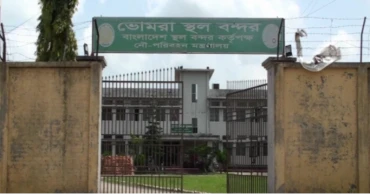
6,520 MT of Indian rice imported through Satkhira's Bhomra in 8 days
Bangladesh imported 6,520.21 metric tonnes (MT) of rice from India through Bhomra Land Port in Satkhira over the past 8 days that authorities hope would help stabilise the country’s rice market.
The import began on November 13 after the withdrawal of customs duties on rice imports by the National Board of Revenue (NBR).
According to sources at the port authority, after the duty withdrawal, 12 companies approved by the Ministry of Food started importing through Bhomra.
Read: 131MT rice imported from India through Hili Land Port
Among the imports, Dhaka-based Old Paltan Majumdar Agrotech International imported around 1,861.47 MT of rice in four shipments. These included 770 MT on November 13, 368.5 MT on November 16, 380.97 MT on November 17, and 342 MT on November 18.
Mukul Enterprise from Kalai of Satkhira, imported 300 MT in three shipments: 100 MT each on November 13, 14, and 17. Ismail Hossain Milon from Jhikargacha of Jashore, imported 100 MT on November 13, while Abul Monsur Khan from Bogura brought in a total of 500 MT across three dates: 150 MT on November 14 and 16, and 200 MT on November 18.
Abu Musa, general secretary of Bhomra Customs C&F Agents Association, said the Indian government had imposed a ban on rice exports to Bangladesh on July 20, 2023.
Read: Rice import from India through Benapole port resumes after 2 years
Recently the country lifted the ban allowing export to Bangladesh, he said.
Abul Kalam Azad, deputy commissioner of Bhomra Land Customs Station, 6,520.21 MT of rice was imported from India through the port in eight days from November 13.
If this trend continues, rice imports through this port will increase in the future, he said.
1 year ago

Govt determined to set example in controlling pollution: Rizwana
Environment Syeda Rizwana Hasan on Tuesday said the government is determined to set an example in controlling air, noise, plastic, and river pollution.
“Our efforts are focused on ensuring a cleaner and healthier environment for the people of Bangladesh,” she said.
The environment adviser made this remark when Ambassador of the Netherlands to Bangladesh Irma van Dueren paid a courtesy visit to her at the Secretariat.
The meeting discussed strengthening collaboration between Bangladesh and the Netherlands in the areas of environmental sustainability, water resource management, and pollution control. Both sides discussed ongoing initiatives and future cooperation to address the growing challenges of climate change and environmental degradation in Bangladesh, said a press release.
Rizwana emphasized the importance of community involvement in environmental initiatives, particularly in river conservation. “Rivers are the lifeline of our ecosystem, and any sustainable cleanup programme must involve local communities. Their active participation is key to ensuring long-term success in preserving our natural resources,” she added.
Read more: Price hikes: Seven businesses fined in market monitoring drive
She also mentioned the government's ongoing enforcement of the polythene shopping bag ban.
The Dutch Ambassador expressed her country's willingness to assist Bangladesh in its efforts to improve water resource management and mitigate the effects of climate change.
In the meeting, both sides expressed optimism about future collaborations to enhance environmental conservation and water resource management in Bangladesh.
The Dutch government’s expertise in water management and Bangladesh’s commitment to sustainable development were recognised as strong foundations for continued partnership.
The environment secretary and the water resources secretary, director general of Bangladesh Water Development Board, among others, were present at the meeting.
1 year ago

Students protest market prices, demand Competition Commission resignations
Students from the Anti-Discrimination Movement have launched protests against the rising market prices in Bangladesh, demanding the resignation of three members of the Bangladesh Competition Commission, including acting chairman Salma Akhtar.
On Monday, students from the University of Dhaka and several private universities gathered at the commission's Eskaton office, but authorities had locked the gates in anticipation of their protest. Today, they held another rally at Burak Tower in the capital, expressing dissatisfaction with previous discussions on price control.
Magura residents in distress as prices of daily essentials skyrocket
The protesters accuse the commission of failing to control market syndicates, which has led to soaring prices and raised concerns about the government's credibility. Farhan Dinar, a student representative, expressed frustration over the lack of engagement from the commission, saying they would continue their protests until a resolution is reached.
As the protests escalated, Farida Yasmin, the adviser on fisheries and livestock, summoned seven student representatives to the ministry for further discussions. The outcome of the meeting is yet to be announced.
2 years ago