food security
Govt unveils roadmap to modernise agriculture, strengthen food security
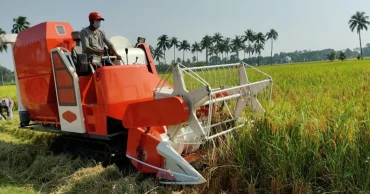
The government has taken a series of measures to modernise agriculture through expanded support for farmers, climate-resilient farming and greater use of technology, aiming to strengthen food security.
The initiatives, announced in the FY2026-27 budget, seek to transform agriculture into a self-reliant, technology-driven and climate-resilient sector, reduce production costs and improve rural livelihoods.
A key feature of the plan is the nationwide rollout of the Farmer Card programme, for which the government has allocated Tk 1,062.5 crore in the new budget.
Launched formally on April 14 this year, the programme has so far covered 22,065 farmers under a pre-pilot phase in 11 upazilas across 10 districts.
Fish farmers, livestock farmers and salt cultivators have also been brought under its coverage.
The government plans to distribute 4.25 million Farmer Cards across 100 upazilas in FY2026-27 before expanding the programme nationwide.
Eligible landless, marginal and small farmers will receive an annual one-time cash assistance of Tk 2,500, along with 10 additional benefits promised in the government’s election manifesto.
The budget also provides Tk 1,567.96 crore to implement the government’s decision to waive agricultural loans of up to Tk 10,000, including interest, in the crop, fisheries and livestock sectors.
To strengthen farmers’ resilience against climate shocks, the government said it is preparing to introduce agricultural insurance while continuing concessional credit programmes.
Loans at four percent interest will remain available for cultivating pulses, oilseeds, spices and maize, as well as for salt cultivation in coastal areas.
Farmers in hill districts will continue to receive loans at five percent interest through Bangladesh Krishi Bank.
The government also pledged to continue agricultural rehabilitation and incentive programmes through free distribution of seeds, fertilisers and other inputs while expanding farm mechanisation and building a comprehensive digital database of farmers.
Among new initiatives is the revival of the Voluntary Canal Excavation Programme, aimed at restoring natural water flows, improving irrigation efficiency and reducing dependence on groundwater.
To promote environmentally sustainable irrigation, the government plans to install 98 solar-powered irrigation pumps and 27 solar-powered dug wells, alongside expanding drip irrigation and aquifer recharge technologies.
Fertiliser subsidies will continue, while 30,000 metric tonnes of fertiliser donated by Russia through the World Food Programme will be distributed free among farmers during the fiscal year.
The budget also focuses on reducing post-harvest losses by expanding cold storage facilities, packaging houses and cold-chain infrastructure through public and private investment.
A specialised cold storage facility will be established in the Barendra region to support mango growers.
Agricultural research will prioritise developing high-yielding, salt-tolerant and drought-resistant crop varieties.
The government also plans to introduce an Agropreneurship Start-up Policy and an Agricultural Cooperative Policy to create employment opportunities for young people.
On food security, the government has set a food grain procurement target of 4.129 million metric tonnes for FY2026-27, up from the revised target of 3.819 million tonnes in the current fiscal year.
Food grain storage capacity is expected to increase from 2.316 million tonnes in FY2024-25 to 2.45 million tonnes by FY2026-27.
The government also plans to procure paddy directly from farmers across all upazilas through the Krishaker App, alongside expanding digital food management systems.
To support low-income families, 5.5 million beneficiaries will continue to receive 30 kilograms of rice per month at Tk 15 per kg for six months under the Food-Friendly Programme.
Open Market Sale operations have been expanded to 419 upazilas, where rice is being sold at Tk 30 per kg, while subsidised rice and flour will continue to be distributed through more than 1,000 sales centres across the country.
A digital database for Food-Friendly Programme beneficiaries and an online food grain price monitoring system are also being developed.
The budget gives renewed attention to the fisheries sector, setting a production target of 5.635 million metric tonnes of fish in FY2026-27.
Under its blue economy strategy, the government plans to expand commercial tuna fishing, promote seaweed cultivation and increase fisheries export earnings to US$1 billion by 2030.
Kuakata and Salimpur will be declared new Marine Protected Areas, while a modern fishing port will be established at Matarbari to encourage sustainable exploitation of marine resources.
The government also plans to expand fish sanctuaries and nursery management to conserve indigenous fish species. Under the principle of “Jal Jar, Jola Tar” (Those who fish shall own the water), local fishers and low-income communities will receive greater access to water bodies, canals and haor areas.
Coverage under the Vulnerable Group Feeding programme will be expanded to include 1.5 million fisher households, including newly enlisted families from haor regions and the Sundarbans.
The government further announced plans to introduce the country’s first fisheries insurance scheme and promote mechanisation in commercial fish farming.
In the livestock sector, authorities said locally developed vaccines against Avian Influenza and Goat Pox have completed field trials and will soon be supplied nationwide.
The government also plans to ensure adequate stocks of animal disease prevention medicines at every upazila while strengthening the production of safe and quality feed for poultry and fish farms.
2 months ago
Project launched to boost climate resilience, food security in Cox’s Bazar
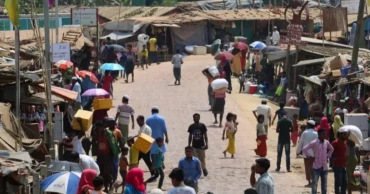
The government of Bangladesh has taken a project aimed at strengthening the resilience and livelihoods of poor and marginal communities in Cox’s Bazar, one of Bangladesh’s most disaster-prone districts, through sustainable, nature-based solutions.
The project, titled “PRO-ACT Bangladesh – Resilience Strengthening through Agri-Food Systems Transformation in Cox’s Bazar,” will be implemented by the Department of Agricultural Extension (DAE) under the Ministry of Agriculture and is set to run until June, 2028.
With an estimated cost of Tk 53.01 crore, fully funded by foreign grants, the project seeks to improve food and income security, promote sustainable agriculture, and reduce disaster risks in four upazilas — Cox’s Bazar Sadar, Ramu, Ukhiya, and Teknaf.
Under the initiative, 10,000 farmers will receive training and input support to cultivate nutrient-rich crops, while 600 families involved in aquaculture will be trained in modern fish-farming techniques.
Besides, 1,050 farmers will be supported in toxin-free dry fish processing including branding and market access development.
Read more: Access to credit for agri sector can enhance food security: Bangladesh Bank Governor
The project also envisions creating five agricultural aggregation centres to boost market connectivity and promote ICT-based agricultural extension services.
Local service providers and farmers’ groups will be trained on financial literacy, digital tools, and business planning to improve access to agricultural credit and strengthen value chains.
To enhance disaster preparedness, communities will receive training on the Landslide Early Warning System (LEWS) and crop-based land use maps will be developed to integrate disaster risk reduction into agricultural planning.
According to the Planning Commission, the project will play a pivotal role in mitigating the adverse effects of climate change and addressing the environmental degradation worsened by the Rohingya refugee influx — including deforestation, land erosion, and waterlogging.
Funded by the European Union and implemented in collaboration with the Food and Agriculture Organization (FAO), Forest Department, and Department of Fisheries, PRO-ACT Bangladesh focuses on restoring ecosystems and strengthening the adaptive capacities of vulnerable populations.
With a target to reach more than 54,000 beneficiaries, including smallholder farmers, women, and marginalised groups, the initiative aims to transform Cox’s Bazar’s agri-food systems through climate-smart agriculture, sustainable resource management, and inclusive economic opportunities.
Officials said the project aligns with Bangladesh’s long-term climate adaptation goals and underscores the government’s commitment to building a resilient future in the face of worsening climate challenges.
Read more: Bangladesh's food security at risk as farmland shrinks by 3.75 percent in 8 Years: BBS Survey
Cox’s Bazar is facing frequent exposure to a wide range of natural hazards and extreme weather conditions such as cyclones, heavy rainfall, landslides, flash floods and storm surges.
In recent years, the district has been particularly vulnerable to recurring landslides and cyclones.
The severity of these disasters is worsened by widespread poverty and the limited coping capacity of local communities — with about 33 percent of the district’s population living below the poverty line, according to UNDP.
Since 2017, Cox’s Bazar has also hosted around one million Rohingya refugees, which has significantly increased the population at risk.
The influx has contributed to new environmental and safety challenges, including deforestation, hill-cutting, and mounting pressure on infrastructure. Because of overcrowded settlements, hilly terrain, and temporary housing conditions, Rohingya families are particularly susceptible to severe weather events.
Read more: Dream project derails; Khulna-Mongla railway struggles without freight flow
10 months ago
ADB to expand food security support by $26bln in Asia-Pacific
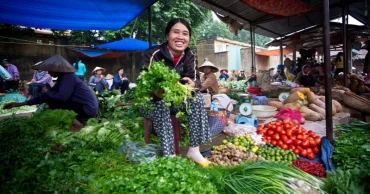
The Asian Development Bank (ADB) on Sunday announced plans to expand its support to long-term food and nutrition security in Asia and the Pacific by $26 billion, bringing its total funding for food security initiatives to $40 billion over 2022–2030.
The assistance will fund a comprehensive program spanning the entire food production process—from farming and processing—to distribution and consumption.
Through financing and policy support for governments and companies, the program aims to help Asia and the Pacific generate diverse and nutritious food, create jobs, reduce environmental impacts, and promote resilient agricultural supply chains, according to a press release.
“Unprecedented droughts, floods, extreme heat, and degraded natural resources are undermining agricultural production, while at the same time threatening food security and rural livelihoods,” said ADB President Masato Kanda at ADB’s 58th Annual Meeting in Milan.
He said that expanded support will help countries alleviate hunger, improve diets, and protect the natural environment, while providing opportunities for farmers and agribusinesses.
“It will drive change across the entire food value chain, from how food is grown and processed to how it is distributed and consumed.”
The new ambition builds on ADB’s September 2022 pledge to invest $14 billion by 2025 to improve food security and ease the regional food crisis.
By the end of 2024, ADB had committed $11 billion—about 80% of the original allocation—with an additional $3.3 billion in investments programed for 2025.
TikTok fined $600 million for China data transfers that broke EU privacy rules
The $26 billion in additional funding announced today will consist of $18.5 billion in direct ADB support for governments and $7.5 billion in private sector investments.
By 2030, ADB aims for private sector investments to account for more than 27% of the total $40 billion program—underscoring the critical role of the private sector in driving food systems transformation.
More than half of the world’s undernourished people live in developing Asia. Biodiversity loss and malnutrition are straining food systems, which account for 70% of global water use, 50% of habitable land, and 80% of biodiversity loss. Food systems also employ 40% of the region’s workforce.
To support food systems transformation, the program will modernize agricultural value chains to improve access to affordable and healthy food for vulnerable populations.
It will also invest in improving soil quality and conserving biodiversity-essential elements for productive agriculture that are increasingly under threat from climate change, pollution, and the loss of land and aquatic ecosystems.
The program will support the development of digital technology and analytics to improve decision-making for farmers, agribusinesses, and policymakers.
ADB is establishing the Natural Capital Fund—a planned $150 million blended finance vehicle—with anchor support from the Global Environment Facility and contributions expected from other partners including the Global Agriculture and Food Security Program.
This fund will support agri-food system projects by farmers and innovators that protect, restore, and manage natural capital sustainably across ADB’s developing members.
1 year ago

Bangladesh, Kuwait explore trade and food security ties
Citing food security as a new area of cooperation, Foreign Secretary Md Jashim Uddin on Wednesday said Kuwaiti investors could take advantage of investing in Bangladesh’s agro-base products and food processing sector in the Exclusive Economic Zones.
Newly appointed Ambassador of the State of Kuwait to Bangladesh Ali Tunyan Abdul Wahab Hamadah welcomed the idea and responded positively.
During a courtesy meeting with Foreign Secretary Jashim, the envoy expressed Kuwait’s readiness to engage with the Bangladesh’s proposal on food security initiatives especially as well as development of halal food industry in Bangladesh.
The meeting focused on reviewing the existing areas of bilateral cooperation including employment of workers, trade, energy, food security and forging cooperation in new areas.
During the meeting, Ambassador Hamadah expressed the Kuwaiti government’s keen interests to enhance engagement with the Government of Bangladesh and underlined the need to increase cooperation in bilateral trade, business and investment area.
Both sides discussed the ways and means to explore opportunities and potential and identify key areas for a structured collaboration aimed at boosting investment and trade for mutual benefits of the two countries, according to the Ministry of Foreign Affairs.
The Foreign Secretary described the bilateral cooperation as a role model adding that employment of workforce in Kuwait, people-to-people contact, energy security and defense and development cooperation were the pillars of this longstanding bilateral ties.
Japanese Ambassador sees Bangladesh's bright future
The envoy expressed deep appreciation for the contribution of the Bangladesh workforce in Kuwait praising them as loyal, hard-working and committed adding that they have been contributing to the economic development of both the brotherly countries.
He said that Kuwait was ready to recruiting more Bangladesh workforce specially in skilled and professional trades and in technical fields like doctors, nurses, IT experts etc.
The Foreign Secretary thanked the government of Kuwait for employing a good number of nurses in the recent time under the MoU signed between the two countries.
He also expressed a positive response to the Kuwaiti intent to recruit domestic aides and their proposal for signing a legal instrument with the government of Bangladesh for the smooth regulation and management of domestic workers’s employment and rights in their workplace.
Recalling the excellent defense collaboration between the two countries, they also appreciated the professionalism and dedication of military professionals serving in Kuwait.
Dr Yunus engages with global leaders, seeks support to bring back stolen money
Ambassador Hamadah took a positive note of the Bangladeshi proposal for simplifying visa procedures for business people and investors, acknowledging the issue as a vital step in strengthening economic collaboration.
Both sides underlined the need to work towards expediting the pending visit of Kuwaiti delegation led by Assistant Minister for Asian Affairs to Dhaka to attend the Foreign Office Consultations between Bangladesh and Kuwait and the proposed visit of Kuwaiti Foreign Minister to attend the Joint Commission (JC) to be hosted in Dhaka.
The two sides also exchanged views and expressed satisfaction over the mutual collaboration in the international fora including the Asian Cooperation Dialogue (ACD).
The meeting concluded with both sides reaffirming their commitment to deepening cooperation in the existing areas as well as new arena of collaboration in a structured and target-oriented manner.
1 year ago

US to work with Bangladesh to ‘enhance economic investment’ in next 50 years and beyond
The United States has said it looks forward to working with Bangladesh to "enhance economic investment" over the next 50 years and beyond.
The visiting US delegation met Salman F Rahman, Private Industry and Investment Adviser to PM Sheikh Hasina, to hear how government and private companies are collaborating.
Eileen Laubacher, Special Assistant to the President and Senior Director for South Asia, US National Security Council (NSC); Michael Schiffer, USAID Assistant Administrator, Bureau for Asia; and Afreen Akhter, US Department of State Deputy Assistant Secretary for South and Central Asia, are on a three-day visit to Bangladesh.
For over 50 years, the US has partnered with the government and the people of Bangladesh, providing over $8 billion to tackle issues like public health, education, energy, environment, food security, natural disasters, and more.
Read: Want to create a new chapter in our relations: Foreign Minister says after meeting with US delegation
The United States is one of the largest investors in Bangladesh and its largest single country export market, said the US Embassy in Dhaka.
"Our leadership from Washington D.C. joined local economic experts to discuss a range of issues impacting the bilateral trade relationship," said the US Embassy.
The United States "stands ready" to help Bangladesh create a business climate that attracts more investment from the US.
The delegation discussed ways to improve the business environment, making investment in Bangladesh more attractive to American companies.
Read: Bangladesh-US relations will be stronger based on environment, climate actions: Environment Minister
The three officials, according to the US side, are visiting Bangladesh to discuss with the government of Bangladesh ways to "strengthen diplomatic ties, address challenges, and promote a shared vision for the advancement of mutual interests in the Indo-Pacific region."
They also met Foreign Minister Dr Hasan Mahmud, Foreign Secretary Masud Bin Momen, civil society representatives, labour leaders, youth activists and those engaged in developing a free and uncensored media.
"We discussed with the Foreign Minister how our two countries can work on mutual interests, including economic development, security, refugees, climate, labor, and trade," said the US Embassy in a separate message after the meeting.
Bangladesh is an important partner in the Indo-Pacific region, it said.
Read more: US Deputy Assistant Secretary meets Bangladeshi civil society members including Zillur and Adilur
2 years ago

Russia proposes wheat export to Bangladesh, discusses bilateral trade expansion
Russian Ambassador to Bangladesh, Alexander Mantytskyi, has expressed his country’s keen interest in exporting wheat to Bangladesh. This intention was conveyed today (January 18, 2024) during a courtesy visit to Food Minister Sadhan Chandra Majumder at his office.
The meeting, which also included Secretary to the Food Ministry, Ismail Hossain; Director General of the Food Department, Shakhawat Hossain, and other high-ranking officials, served as a platform to discuss a range of issues. Key topics included the progress of Bangladesh’s economy, potential expansion of trade and business relations between the two countries, and wheat export from Russia.
Import 300,000 metric tons of wheat from Russia gets cabinet body’s nod
Food Minister Sadhan Chandra expressed his gratitude towards the Russian ambassador for the proposal and recognized Russia as a significant development ally of Bangladesh. The discussions highlighted the mutual benefits and opportunities that enhanced trade and investment ties could bring to both nations.
Ambassador Mantytskyi underscored the substantial potential for trade and investment that exists between Bangladesh and Russia. He emphasized his government’s readiness to contribute to Bangladesh’s food security goals by capitalizing on these trade opportunities.
Discussions underway on possibility of supplying LNG, wheat, fertilisers from Russia: Lavrov
The proposed wheat export from Russia to Bangladesh marks a significant step in strengthening the economic and trade relations between the two countries. It reflects Russia’s willingness to play a constructive role in supporting Bangladesh’s ongoing development and food security initiatives.
2 years ago

Food for All: AL Manifesto Emphasizes Agricultural Development for a Hunger-Free Bangladesh
"Food for All" is the core goal and commitment of the Awami League. The manifesto pledges to build a hunger-free Bangladesh. On Wednesday (December 27), the Awami League announced this manifesto for the 12th national parliamentary election.
Agriculture is a primary driving force of Bangladesh's economy and livelihoods. Agriculture plays a crucial role not only in fulfilling the food and nutritional needs of the population but also in providing employment in rural areas, supplying raw materials to industries, and increasing export earnings. Following independence, Father of the Nation Bangabandhu Sheikh Mujibur Rahman, initiated an agricultural revolution by taking ground-breaking steps to enhance production and ensure food security, giving utmost importance to the development of agriculture and farmers. Currently, under the leadership of Bangabandhu's daughter, Sheikh Hasina, the Awami League government also prioritizes agriculture in state governance. With the commitment of "Food for All," the party emphasizes agricultural development in its manifesto for the 12th national parliamentary election.
PM Hasina unveils AL election manifesto promising dev, peace, prosperity
In the fiscal year 2022-23, rice production surpassed all previous records. Currently, Bangladesh ranks third globally in the production of rice, vegetables, and onions. Additionally, it holds the second position in jute production, fourth in tea, and seventh in potato production. Significant progress has been made in cultivating both domestic and foreign fruits. Farmers are encouraged to cultivate profitable but unconventional crops like coffee, cashew nuts, black pepper, malta (a type of citrus), and dragon fruit. The per capita fruit consumption rate, which was 55 grams in 2006, increased to 85 grams in 2023. In the last 15 years, 699 new crop varieties resilient to adverse environments and 708 technologies have been developed. The mechanization of agriculture is underway to modernize it. From 2010 to 2023, nearly 133,000 agricultural machineries, including combine harvesters, reapers, seeders, and power tillers, have been distributed to farmers at subsidized prices. A 3,000 crore taka agricultural mechanization project is ongoing. Overall, the country's agricultural system is transitioning from subsistence farming to commercial agriculture.
AL to announce election manifesto Wednesday
To maintain this trend, the Awami League, led by Prime Minister Sheikh Hasina, pledges to follow sustainable development strategies based on planned initiatives. The strategy aims to meet the growing population's nutritional needs, ensure the supply and accessibility of nutritious food for all, develop commercial agriculture, expand agriculture-dependent industries, improve rural infrastructure, increase and diversify exports of agricultural and non-agricultural products, and enhance the quality of life in rural communities through poverty alleviation. The annual budget allocation will be increased, and private investment in the rural sector will be encouraged.
Awami League’s Commitment
"Food for All" remains the Awami League's primary goal and commitment. The trend of following sustainable development strategies, based on a contextualized plan for the development of agriculture, farmers, and the rural economy, will continue. The strategy includes ensuring nutrition for the growing population, supplying and accessing nutritious food for everyone, developing commercial agriculture, expanding agriculture-dependent industries, improving rural infrastructure, increasing and diversifying exports of agricultural and non-agricultural products, and enhancing the living standards of rural communities through poverty alleviation. The annual budget allocation will be increased, and private investment in the rural sector will be encouraged.
The daughter of Bangabandhu pledges to expand the initiatives already taken to increase agricultural production. The provision of agricultural loans at 4% concessional interest will continue; the central bank will refinance commercial banks at a 0.5% rate, encouraging them to distribute more agricultural loans. The Awami League will continue to provide assistance and subsidies for agricultural production and investment in agricultural inputs. Easy access to and availability of agricultural machinery will be ensured to alleviate labor shortages in agriculture and increase productivity. Subsidies on agricultural machinery will continue.
The Awami League government has already implemented a policy to bring all land under cultivation to further increase agricultural production. Sheikh Hasina's commitment is that no land will remain uncultivated. Emphasis will be placed on developing an integrated agricultural system.
Furthermore, to build a smart, agriculture-dependent Bangladesh, strategies will be adopted for commercial agriculture, biotechnology, genetic engineering, robotics, artificial intelligence, and nano-technologies, as well as for developing the rural non-agricultural sector and facing globalization challenges. The focus on modernizing agriculture, innovating technology, and increasing opportunities and facilities for agricultural research will continue. Environmental protection will also be seriously considered in the use of various products in agriculture.
Read more: Govt prepared to ensure food security into the future: Agriculture Minister
Not only agriculture, but also the fisheries and livestock sectors are immensely important for ensuring food security, meeting nutritional needs, creating employment, alleviating poverty, expanding export trade, and overall socio-economic development in Bangladesh. To meet the animal protein demand of the growing population, create entrepreneurs and employment, and keep the rural economy active, Sheikh Hasina's government is also giving equal importance to the fisheries and livestock sectors. The Awami League's commitments in this continuity are:
1. To increase the productivity of livestock by one and a half times by 2028.
2. To establish commercial dairy and poultry farms, increase self-employment, and alleviate poverty by providing loans on easy terms, necessary subsidies, technical advice, and policy support.
3. To increase the domestic production of quality animal feed ingredients, expand processing technology, and ensure reasonable prices.
4. To diversify, process, and expand export-oriented industries of animal products.
5. To expand farm mechanization and automated production systems in preparation for the Fourth Industrial Revolution.
6. To increase fish production from 4.915 million metric tons to 5.840 million metric tons and to raise the per capita fish consumption from 67.8 grams/day to 75 grams/day by ensuring sustainable fish production and achieving food security through maximum utilization of resources.
7. To strengthen sustainable management of marine fisheries resources and ensure responsible fishing for the development of the blue economy.
8. To adopt projects/programs based on delta hotspots for coping with the adverse effects of climate change, improving the quality of life of local communities, adaptation, and capacity building.
9. To reduce fish waste by 10% and create employment for about 600,000 people in the next five years by ensuring sustainable use of fish resources through value chain development and diversifying value-added fish and fishery products.
10. To encourage the private sector to increase fish and fishery product exports and expand new markets abroad by organizing Fish Expos and establishing exclusive economic zones for fishery product processing, aiming to increase export earnings from 4,790 crore to 15,000 crore taka.
11. To expand ongoing programs for increasing livestock production and to enhance opportunities and facilities for processing, marketing, and value addition of these products.
12. To continue fish farming in ponds and, where possible, in rice fields by providing quality fish fry, food, and disease treatment.
13. To provide easy access to capital, electricity connections, and other facilities for farmers.
Read more: Food security remains protected amid int’l crisis: PM Hasina tells Parliament
2 years ago

Green Roofs in Dhaka City: Pathway to Smart Urban Agriculture
When the roof or terrace of a building is covered with plants such as trees, shrubs, bushes, and grass, it is termed as a roof garden. This farming practice is also known as, terrace farm, rooftop farm, rooftop garden, green roof, living roof, or eco-roof.
The concept of Smart urban agriculture focuses on adequate production of crops, vegetables and fruits utilising advanced farming techniques along with IoT and AI.
As Dhaka has scarcity of arable land, the methods of smart agriculture can be applied here through terrace farming. Let's take a look into the prospects of smart rooftop farming in Dhaka city.
Threats to the Food System of Dhaka City
Decreasing Arable Land
To cope up with the increasing pressure of population, the agricultural lands are being converted to residential, commercial or industrial land uses. Such practices are reducing the scope of growing agricultural food products in different urban areas of Bangladesh including the Dhaka metropolitan city.
Rising Food Inflation
One of the major impacts of the Russia-Ukraine crisis was the disruption of global trades of some key foods and agricultural commodities. Like many other countries, Bangladesh has been experiencing rising prices of foods and agricultural products which is threatening the country's food security. According to BBS data, the food inflation rate in Bangladesh climbed to 12.54% in August 2023. The demands and prices of food commodities are also rocketing in Dhaka city.
Read more: Inflation ticks up again as food prices remain sticky upwards
Harmful Chemicals
The usage of inorganic fertilisers and harmful pesticides to increase agricultural productions are making the yields hazardous for human health. Furthermore, food contamination practices such as application of harmful chemicals to ripen fruits or keep vegetables fresh for long hours are posing threat to the health of Dhaka city residents.
2 years ago

Food security remains protected amid int’l crisis: PM Hasina tells Parliament
Prime Minister Sheikh Hasina on Wednesday (September 13, 2023) told the parliament that the Bangladesh’s food security remains protected even amid the ongoing international crisis.
“Bangladesh has successfully faced Covid-19 pandemic. The food security remains protected in the country amid the current international crisis as well,” she said.
The premier made the remarks while replying to a question from Awami League lawmaker Md Shahiduzzaman Sarkar (Naogaon-2).
Earlier, Speaker Shirin Sharmin Chaudhry presented the question-answer session at the beginning of the day’s business.
Despite move to rein in price hike, food inflation rose to 12.54 percent in August: BBS
The PM said Bangladesh has already attained food autarky. “The government has been working intensively to maintain our (food) self-sufficiency,” she said.
She said the crisis has been created in the global supply chain of different commodities including foods following the Covid-19 pandemic and the Russia-Ukraine war.
“In this situation, the government has regularly been taking various steps on national and international levels to ensure food security by facing this crisis,” said Hasina.
She said Bangladesh has successfully attained the food autarky thanks to agricultural research, extension, continuous materials support and policy support in the agriculture sector.
“Bangladesh has now become a role model on the global stage in case of food security,” she said.
Dhaka finds Russian agri commodities competitive on price, but payment issues linger
She said the country’s food grains production was 328.96 lakh metric tons in 2008-09 fiscal year, which went up to 477.68 lakh metric tons in 2022-23 fiscal year.
Efforts to continue for recognition of 1971 genocide: PM
In reply another question from Awami League lawmaker Anwer Hossain Khan (Laxmipur-1), the prime minister said many countries demanded the recognition of genocide committed in their respective countries as International Genocide Day.
Later, the United Nations General Assembly on September 11, 2015 adopted a resolution through discussion to observe December 9 as the International Day for the Prevention of Genocide.
“Since December 9 has been observed as the International Day for the Prevention of Genocide, the proposal to observe another International Day on the same issue would not be rational,” she said.
She, however, said the Ministry of Foreign Affairs, the Ministry of Liberation War Affairs and the Liberation War Museum and some members of the martyrs' families are making efforts to achieve international recognition of the genocide taken place in Bangladesh in 1971.
The leader of the House said individuals and organizations working on the genocide are also working to attain the recognition of the genocide.
She said international recognition of the 1971 genocide taken place in Bangladesh is as complex and time-consuming as any other genocide in the world.
However, it would be easy to get international recognition of genocide by creating the global public opinion in favor of recognizing the genocide committed in Bangladesh. “Efforts will continue on the part of the government in this regard,” she said.
Onion prices cross Tk 100 per kg in Dhaka after India imposes extra duty
854km highways made four-lane, 1,131 bridges constructed since 2009: PM
Some 854 kilometers of highways have been upgraded to four-lane ones, while 11,434 kilometers of highways have been developed and construction of 1,131 bridges (123,254 meters) has been completed through 431 projects under the Department of Roads And Highways during the three terms of the present government from 2009 to 2023, said the Prime Minister replying to a question of Jatiya Party lawmaker Hafiz Uddin Ahmed (Thakurgaon-3).
In the current financial year, she said the works are underway to upgrade some 574km of highways to 4-lane ones, develop 4,634km of highway and construct 750 bridges (64,844 meters) under 131 projects.
Sheikh Hasina said the highway development projects completed during her three consecutive tenures from 2009 to June 2023 includes Up-gradation of Dhaka-Chattogram National Highway to 4-lane (Daudkandi-Chattogram Section) project, Joydebpur-Mymensingh Highway Development Project, Joydevpur-Chandra-Tangail-Elenga Highway Project with service lanes on both sides; Jatrabari Intersection-Mawa section of Dhaka- Khulna (N-8) Highway (including Ekuria-Babubazar link road).
Read more: Despite move to rein in price hike, food inflation rose to 12.54 percent in August: BBS
Among the bridges constructed in the three terms of the government were 2nd Kanchpur Bridge, Meghna Bridge, Gomti Bridge, Payra Bridge (Lebukhali Setu) over Payra River on Barisal-Patuakhali highway and Madhumati Bridge constructed over Madhumati River under Cross-Border Road Network Improvement Project (Bangladesh), she added.
Proposed investment in economic zones rose to US$ 26 billion:
Answering a question from AL lawmaker Md. Mamunur Rashid Kiron (Noakhali-3), the Leader of the House said that the overall proposed investment in the economic zone has now reached USD 26 billion.
Besides, 41 companies have started commercial production and 50 industries are under construction in different zones, she said, adding that these industries have produced products worth USD 14.8 billion and exported products worth USD 291 million, creating 50,000 jobs in these industries.
Read more: Half of Boro paddy procurement target not achieved yet, Food Minister tells JS
3 years ago
Russia's threat to exit Ukraine grain deal adds risk to global food security
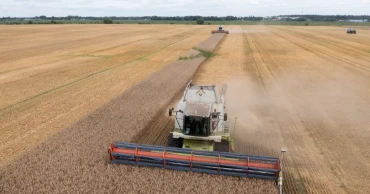
The United Nations is racing to extend a deal that has allowed shipments of Ukrainian grain through the Black Sea to parts of the world struggling with hunger, helping ease a global food crisis exacerbated by the war Russia launched more than a year ago.
The breakthrough accord that the U.N. and Turkey brokered with the warring sides last summer came with a separate agreement to ease shipments of Russian food and fertilizer that Moscow insists hasn't been applied.
Russia set a Thursday deadline for its concerns to be ironed out or it's bowing out. Such brinkmanship isn't new: With a similar extension in the balance in March, Russia unilaterally decided to renew the deal for just 60 days instead of the 120 days outlined in the agreement.
U.N. officials and analysts warn that a failure to extend the Black Sea Grain Initiative could hurt countries in Africa, the Middle East and parts of Asia that rely on Ukrainian wheat, barley, vegetable oil and other affordable food products, especially as drought takes a toll. The deal helped lower prices of food commodities like wheat over the last year, but that relief has not reached kitchen tables.
“If you have a cancellation of the grain deal again, when we’re already at a pretty tight situation, it’s just one more thing that the world doesn’t need, so the prices could start heading higher,” said William Osnato, a senior research analyst at agriculture data and analytics firm Gro Intelligence. “You don’t see relief on the horizon.”
U.N. humanitarian chief Martin Griffiths told the Security Council on Monday that the deal was “critical” and talks were ongoing.
Negotiators who gathered in Istanbul last week made little apparent headway. Ukrainian Deputy Prime Minister Oleksandr Kubrakov said the grain deal “should be extended for a longer period of time and expanded” to “give predictability and confidence" to markets.
Moscow says it opposes broadening or indefinitely expanding the deal. Kremlin spokesman Dmitry Peskov said Tuesday that there's an “intense session of contacts” but that ”a decision is yet to be made.”
Russia, meanwhile, is rapidly shipping a bumper harvest of its wheat through other ports. Critics say that suggests Moscow is posturing or trying to wrest concessions in other areas — such as on Western sanctions — and claim it has dragging its heels on joint inspections of ships carried out by Russian, Ukrainian, U.N. and Turkish officials.
Average daily inspections — meant to ensure vessels carry only food and not weapons — have steadily dropped from a peak of 10.6 in October to 3.2 last month.
Russia denies slowing the work, with shipments of Ukrainian grain also declining in recent weeks.
“We cannot agree that the role of the Russian representative (inspector) should be reduced to automatic rubber-stamping, or approval, or appeals submitted by Kyiv,” Russia’s ambassador in Geneva, Gennady Gatilov, told reporters last month.
Asked whether a blockade of Ukraine's coast or more attacks on its ports could follow any withdrawal from the agreement, Gatilov said Russian authorities were “considering all possible scenarios if the deal is not extended.”
Russia has five main asks, according to Gatilov:
— A restoration of foreign supplies of farm machinery and replacement parts.
— A lifting of restrictions on insurance and access to foreign ports for Russian ships and cargo.
— Resumed operation of a pipeline that sends Russian ammonia, a key ingredient in fertilizer, to a Ukrainian Black Sea port.
— An end to restrictions on financial activities linked to Russia's fertilizer companies.
— Renewed access to the international SWIFT banking system for the Russian Agricultural Bank.
The U.N. says it's doing what it can, but those solutions mainly rest with the private sector, where it has little leverage.
The deal has allowed over 30 million metric tons of Ukrainian grain to be shipped, with more than half going to developing nations. China, Spain and Turkey are the biggest recipients, and Russia says that shows food isn't going to the poorest countries.
U.N. Secretary-General Antonio Guterres says Ukrainian corn for animal feed has headed to developed countries, while “a majority” of grain for people to eat has gone to emerging economies.
Even if a “meaningful part” of the shipments goes to developed nations, that “has a positive impact to all countries because it brings prices down," Guterres told reporters in Nairobi, Kenya, this month. "And when you bring prices down, everybody benefits.”
Osnato, the analyst, said markets aren't reacting to Russia’s threats to exit the deal, with wheat recently hitting two-year lows. If the agreement isn’t extended or negotiations drag on, the “loss of Ukraine grains wouldn’t be a disaster” for a month or two, he said.
He says there is “bluster” coming from Russia to push for easing some sanctions because it's shipping record amounts of wheat for the season, and its fertilizers are flowing well, too.
“It’s more about trying to get a little leverage, and they’re doing what they can to put themselves in a better negotiating position,” Osnato said.
Trade flows tracked by financial data provider Refinitiv show that Russia exported just over 4 million tons of wheat in April, the highest volume for the month in five years, following record or near-record highs in several previous months.
Exports since last July reached 32.2 million tons, 34% above the same period from last season, according to Refinitiv. It estimates Russia will ship 44 million tons of wheat in 2022-2023.
The issue is more pressing with Ukraine’s wheat harvest coming up in June and the need to sell that crop in July. Not having a Black Sea shipping corridor in place at that point would “start taking another large chunk of wheat and other grains off the market,” Osnato said.
Ukraine can send its food by land through Europe, so it wouldn’t be completely cut off from world markets, but those routes have a lower capacity than sea shipments and have stirred disunity in the European Union.
Uncertainties like drought in places including Morocco, Tunisia, Algeria, Syria and East Africa — big importers of food — are likely to keep food prices high, and an end to the U.N. deal wouldn't help.
“Any shock to the markets can cause massive harm with catastrophic ripple effects in countries balancing on the brink of famine," said Shashwat Saraf, emergency director for East Africa at the International Rescue Committee.
“The expiration of the Black Sea Grain Initiative is likely to trigger increased levels of hunger and malnutrition, spelling further disaster for East Africa,” Saraf said.
3 years ago