food safety
Food safety needs coordinated govt-private efforts: State Minister Tuku
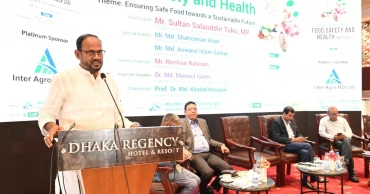
Fisheries and Livestock State Minister Sultan Salauddin Tuku on Saturday stressed the need for building social awareness at every level to ensuring food safety, saying the uncontrolled use of harmful substances and antibiotics in food poses a severe threat to public health.
“Coordinated efforts from both government and private organisations are essential to protect public health and ensure a sustainable food system,” the state minister said at the 8th National Scientific Conference on ‘Food Safety and Health’, organised by the Bangladesh Society for Safe Food (BSSF) in a city hotel.
Themed ‘Ensuring Safe Food for a Sustainable Future’, the conference brought together researchers, scientists, and food safety experts from universities and institutions across the country.
Highlighting the critical role of research, Tuku urged scientists to step up work on preserving biodiversity and natural resources. “Bangladesh was once known as the land of ‘Maach-e-Bhate Bangali’. We must take effective measures to boost fish production and protect aquatic biodiversity.”
Acknowledging the scale of the challenge, he said feeding a large population safely remains difficult but the government under Prime Minister Tarique Rahman is working to ensure a nutritious and sustainable food system for future generations.
The state minister also raised concern over the drug menace, describing it as a major social crisis and called on families, communities, and the state to act together to protect the youth.
BSSF President Professor Dr Md. Khaled Hossain presided over the conference.
Director General of the Department of Livestock Services Md. Shahzaman Khan and Bangladesh Food Safety Authority Chairman (Additional Charge) Md Anwarul Islam Sarkar attended as special guests. Bangladesh Poultry Industries Central Council (BPICC) President Moshiur Rahman was the guest of honour.
Dr Md Monirul Islam, former Member Director (Fisheries) of the Bangladesh Agricultural Research Council, presented the keynote paper.
4 months ago
Daily Danger in Dhaka: Food, air, water offer residents few safe choices
For millions of Dhaka residents, the most basic necessities—food, air and water—have become a daily health gamble, exposing them to risks they can hardly avoid, according to experts.
From toxic chemicals in everyday food items to dangerously polluted air and bacterially contaminated water, public health experts say the capital is facing continuous threats with long-term consequences for millions.
Toxic Food on Tables
Food safety researchers have repeatedly detected formalin, calcium carbide, artificial colours, excessive pesticide residues and antibiotics in fruits, vegetables, fish and dairy products sold in Bangladesh’s markets.
These substances are linked to liver and kidney damage, hormonal disorders and increased cancer risks, experts said.
They warn that chronic exposure is silently fuelling a rise in non-communicable diseases.
Professor Khaleda Islam of the Institute of Nutrition and Food Science said long-term exposure to food contaminants is contributing to Bangladesh’s growing health burden.
Read more: Expose tobacco industry’s deceptive tactics to safeguard public health: Experts
“Nearly one in four adults now suffers from hypertension while diabetes affects about one in three,” she said, noting that dietary contamination is a significant but often overlooked factor.
Unsafe agricultural practices, premature fruit ripening and the widespread use of chemicals to keep produce looking artificially fresh are blamed for the contamination.
Breathing Dirtiest Air
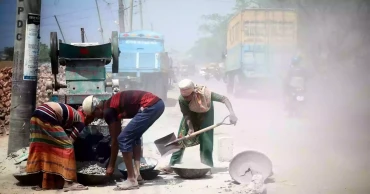
Dhaka continues to rank among the world’s most polluted cities with concentrations of PM2.5 and PM10 particles regularly exceeding international safety limits several times over.
Brick kilns, unregulated construction, ageing and unfit vehicles and open waste burning are the major contributors, according to environmental experts.
Doctors warn that prolonged exposure increases the risk of asthma, respiratory infections, heart disease and stroke.
“Dhaka’s air pollution has been steadily rising for more than a decade, affecting both physical and mental health,” said Prof Dr Ahmad Kamruzzaman Majumder, chairman of the Centre for Atmospheric Pollution Studies (CAPS).
Read more: Unhealthy air quality recorded in Dhaka on Friday
“During the dry months particularly from November to March hospital visits increase sharply as asthma and respiratory patients suffer the most. If hazardous elements persist in the air, the risks can extend even to cancer,” he said.
Unsafe Water, Unseen Dangers
Despite improvements in coverage, safe drinking water remains a daily concern in many areas.
Tests frequently detect E. coli and other harmful bacteria, while some underground sources contain elevated levels of arsenic and ammonia.
Leaking pipelines, ageing infrastructure and inadequate treatment facilities are largely responsible, experts say.
Adding to the concern, a 2025 study titled ‘Antimicrobial resistant enteric bacteria are widely distributed among environmental water sources in Dhaka, Bangladesh’ found widespread antibiotic-resistant bacteria in freshwater sources.
Read more: Dhaka’s air quality continues to be ‘unhealthy’
Researchers detected resistance genes such as blaTEM, mcr-1, qnrB and sul-1, indicating that water pollution is not only causing infections but also threatening the effectiveness of antibiotics.
Systemic Failure
Environmental and public health experts argue that the overlapping crises point to years of systemic neglect. Bangladesh has long ranked near the bottom of global air quality indices.
Acknowledging the scale of the challenge, Environment Adviser Syeda Rizwana Hasan said meaningful improvement would take time.
“A country that ranks 179th out of 180 cannot jump to the 50th position in one year,” she said, adding that legal and administrative reforms are underway.
“If Bangladesh works consistently for five to seven years and reaches around the 70th position the next elected government will have a foundation to build on,” she said.
Civil society voices, however, stress that governance and citizen responsibility must go hand in hand.
“We expect city administrators to play an effective role in building a liveable city, but change must also begin with ourselves,” said Ibnul Syed of the Pran Prakriti Protibesh Poribesh Rokkha Jatiyo Committee.
Architect Iqbal Habib, vice-president of Safety Awareness Foundation, recently warned that Bangladesh is “building a disabled city” unless environmental priorities are urgently mainstreamed into urban planning.
Read more: Toxic harvest: Food safety slipping away in Bangladesh
During a cleanup drive recently, Dhaka South City Corporation administrator Mohammad Mahmudul Hasan echoed a similar sentiment, saying that social changes are possible only when citizens fulfil their responsibilities.
8 months ago
Govt moves to modernise BSTI labs with Tk 851.93cr project
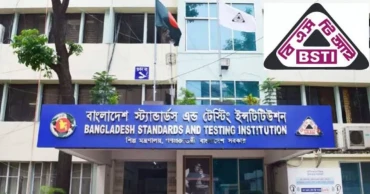
The government has taken up a Tk 851.93 crore project to expand and modernise the physical and chemical laboratories of Bangladesh Standards and Testing Institution (BSTI) to improve product testing, strengthen consumer protection and ensure better quality control in local and imported goods.
Officials said the Ministry of Industries has initiated the project, with BSTI serving as the implementing agency, and it will be carried out from July 2025 to June 2028 at Tejgaon under the Dhaka North City Corporation.
Of the total cost, they said, Tk 801.93 crore will come from government funds while the remaining Tk 50 crore from the government’s own resources.
According to the officials, the main objective is to upgrade BSTI’s testing capacity and align it with international standards so that industries, traders and consumers receive faster, more accurate and reliable services.
They said the country’s food safety challenges, increasing cases of adulteration and the need for globally compliant products in export markets have underscored the urgency of upgrading BSTI’s testing capacity to ensure safer goods at home and stronger acceptance abroad.
Under the project, a 13-storey building with a basement will be constructed on 12,519.04 square metres of land. New chemical and physical laboratories will be set up and existing ones will be expanded and modernised.
BSTI launches unified e-service platform
A total of 20 new chemical testing laboratories will be built, while 18 existing ones will be upgraded. Besides, 15 new physical testing labs will be installed and 14 current ones will be developed further.
The project also plans to purchase 781 advanced machines and instruments along with chemicals, certified reference materials, glassware, computers and office equipment.
Five specialised system-based laboratories will be set up for testing air-conditioning equipment, refrigeration, transformers, LED lamps and solar modules.
BSTI currently tests 299 mandatory products and 79 import-regulated items under the Commerce Ministry’s import policy.
It also provides testing services for public, private and voluntary organisations.
Despite having its headquarters in Dhaka and 10 other offices across the country, BSTI still faces limitations due to inadequate infrastructure and manpower.
A separate project is underway to establish 10 new regional offices but growing national demand for testing led to the proposal for this large-scale modernisation programme.
Read more: Counterfeit goods flood Bangladesh; is BSTI asleep?
Once completed, the officials said, BSTI’s testing capacity will increase substantially, said officials.
Physical, electrical and textile testing capacity is expected to rise by 50 percent while chemical and food testing capacity will go up by 33 percent, they said.
The institution will be able to issue around 20,000 test reports annually for chemical and food samples and 12,000 reports for physical, electrical and textile products.
The Planning Commission has recommended the project saying it will play a key role in ensuring consumer rights, preventing adulteration and supporting fair trade practices.
It said stronger quality control will help local industries grow and make Bangladeshi products more competitive in international markets.
Accurate testing ensures safer consumer goods, prevents substandard imports, protects public health and boosts confidence in locally made products.
A modern BSTI also helps exporters meet global compliance standards — a major requirement for entering premium foreign markets. With upgraded labs and skilled personnel, local industries will be able to certify products faster, reduce production delays and maintain international quality benchmarks.
The officials believe that improved testing services will help curb adulteration, ensure correct measurement in commercial activity and create new export opportunities by increasing the production of high-quality goods.
Read more: Project launched to boost climate resilience, food security in Cox’s Bazar
9 months ago
Toxic harvest: Food safety slipping away in Bangladesh
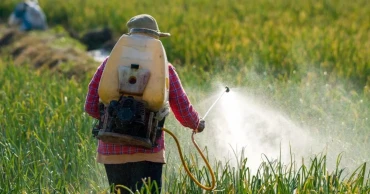
With toxic pesticides and chemical fertilisers saturating its farmlands, Bangladesh faces a growing public health crisis as food safety slips further out of reach.
Although these agrochemicals have played a critical role in boosting crop yields their unregulated and excessive use has raised serious concerns about safety.
Farmers across the country spray over 40,000 tonnes of pesticides annually, often without adequate training or awareness of safe application methods and dosages.
This widespread misuse not only contaminates food but also degrades soil, pollutes water sources, and endangers non-target organisms.
Professor Abu Noman Faruq Ahmmed of Sher-e-Bangla Agricultural University said that although the Pesticide Act was enacted in 2018, Bangladesh still lacks a comprehensive pesticide policy to regulate usage and ensure safe agricultural practices.
FAO organises a poster competition in Dhaka to mark ‘World Food Day’
"Bangladesh currently has over 7,500 pesticide products in the market, but misuse and overapplication are alarmingly common," he said at a recent event in Dhaka.
Environment Adviser Syeda Rizwana Hasan has said the import of pesticides rose sharply from 12,000 tonnes in 2005 to 27,000 tonnes in 2020 — more than double in 15 years.
She shared the information at a roundtable titled “Impact of climate change in the agriculture sector and way forward” organised by the Bangladesh Agricultural Reporters Forum at the Jatiya Press Club in December last year.
She said while the recommended pesticide use per hectare was valued at Tk 98 the current figure has soared to Tk882.
Similarly, fertiliser application has risen dramatically from 8.5 kg per unit of land to about 700 kg.
Organic farming advocate Delowar Jahan, founder of Pran Boichoitor Khamar, said, If I farm naturally, I get 10 maunds of crops; with chemicals, I harvest 25. But the cost to health and nature is not worth the gain."
While vegetable production in Bangladesh grew by 37.6% over the past decade, pesticide use rose even faster.
Environment adviser emphasizes valuing food producers, culinary heritage
A comprehensive study conducted by researchers at Bangladesh Agricultural University has identified 25 highly hazardous pesticides currently registered and used in the country, raising serious concerns over public health and environmental safety.
The study, led by Prof Dr Gopal Das of the Department of Entomology, analysed 343 active pesticide ingredients following eight international benchmarks set by the Food and Agriculture Organization (FAO) and the World Health Organization (WHO).
The findings were presented at a workshop held on July 30 in Dhaka, titled “Enhancing Capacity for Management of Highly Hazardous Pesticides and Chemicals in Bangladesh.”
Out of the 25 pesticides identified, 11 were insecticides, seven fungicides, five herbicides, and two rodenticides.
These are used in nearly 8,000 commercial formulations across the country. Among the most widely used toxic chemicals are abamectin, chlorpyrifos, paraquat, glyphosate, glufosinate ammonium, carbendazim, propiconazole, zinc phosphide and bromadiolone.
Health experts have raised alarms over the acute and chronic health risks posed by these particularly in commonly consumed vegetables like tomatoes, beans, and eggplants. Children and adolescents are especially vulnerable.
Adding to concerns, out-of-season produce such as year-round tomatoes, beans, and cauliflower often grown using heavy chemical input has flooded local markets.
Study: 87% dried fish deemed safe, 13% contains pesticides
Land ownership also compounds the problem.
Nearly 85% of Bangladeshi farmers are landless, working on leased or sharecropped plots, which discourages sustainable land stewardship.
Meanwhile, government fertiliser subsidies have ballooned to Tk 28,000 crore this year—four times more than last year—yet most farmers still struggle to earn a viable income.
“The agriculture system has turned into a gamble,” said Zahidul Islam, an agro-community organizer, adding, “If it were truly profitable, farmers would encourage their children to take it up. Instead, large companies and absentee landlords are buying up land, while small farmers fall deeper into poverty.”
Experts are calling for urgent reforms, including avoiding cultivation near industrial sites, regular soil and crop testing, greater consumer awareness and stronger regulatory enforcement by BFSA.
To address fertiliser demand, the government on October 7 approved the procurement of 2.30 lakh metric tonnes of fertiliser. This includes 30,000 tonnes of bulk granular urea from SABIC Agri-nutrients Company, Saudi Arabia, at a cost of Tk 159.99 crore.
Public health advocates urge a shift toward Integrated Pest Management (IPM), strict enforcement of withdrawal periods before harvest, support for organic farming, and consumer education on how to wash and prepare produce safely.
Mohammad Shoeb, Member of the Bangladesh Food Safety Authority, acknowledged the widespread misuse of pesticides.
“This is an open secret. We’re working to coordinate with relevant authorities to reduce usage and monitor market samples regularly. It’s not just food, but the soil and even cattle fodder have become toxic. Even the grass our livestock feed on has lost its nutritional value,” he added.
10 months ago
Fake food products threaten public health in Bangladesh, experts warn
Experts at a seminar in Dhaka have called for stricter monitoring to combat the growing problem of food adulteration and counterfeit products in Bangladesh, citing their serious impact on public health.
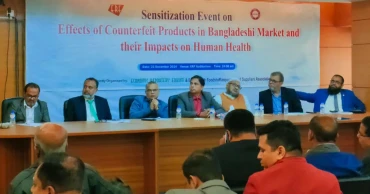
At the seminar titled “Effects of Counterfeit Products in Bangladesh Market and Their Impact on Human Health,” speakers revealed that counterfeit goods labeled as globally renowned brands are being locally produced and sold in Bangladesh. These fake products are linked to a rise in health complications, with many people developing diseases at an early age due to long-term consumption of such items.
Timely information more vital than food during disasters: Experts
The event was held on Monday at the Auditorium of the Economic Reporters’ Forum (ERF) in Paltan and jointly organized by the ERF and the Bangladesh Foodstuff Importers & Suppliers Association (BAFISA). The seminar aimed to raise awareness about the proliferation of counterfeit products and explore solutions to the problem through stricter enforcement, public education, and improved regulations.
Mohammad Alim Akhter Khan, Director General of the Directorate of National Consumers’ Rights Protection (DNCRP), attended the seminar as the chief guest. He emphasized that government agencies alone cannot ensure food safety without greater public awareness and ethical business practices.
Educational institutions and ethical learning play a key role in preventing food adulteration; sensitizing businesses and fostering patriotism among citizens is crucial for meaningful change, said Khan.
Food & Beverage Marketing Fest 4.0 concludes
BAFISA President Mohammad Borhan E Sultan presented data highlighting the alarming extent of fake products in the market. He demonstrated how counterfeit goods are labeled to imitate international brands, misleading consumers and undermining public trust.
Panelists at the seminar included Dr. Mohammad Mostafa, a member of the Bangladesh Food Safety Authority (BFSA), Mohammad Arafat Hossain Sarker, Deputy Director of the Bangladesh Standard and Testing Institution (BSTI), and Md. Anowar Hossain, General Secretary of BAFISA. Refayet Ullah Mirdha also contributed to the discussion.
1 year ago
Ensure food safety while boosting production: Adviser Farida
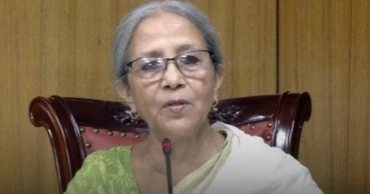
Fisheries and Livestock Adviser Farida Akhter on Sunday warned against the use of harmful pesticides that compromise nutritional value, highlighting the critical importance of ensuring public health and nutrition security.
She made these remarks while addressing a roundtable discussion on “Opportunities, Experiences and Challenges in Implementing Multi-Sectoral Nutrition Services at the District Level,” held at a hotel in Cox’s Bazar.
The adviser pointed out that industrial pollution remains a major obstacle to safe food production, with rivers and seas increasingly contaminated. “Microplastics have been found in fish. We are also opposing golden rice, as there are many local foods rich in zinc that can address the deficiency,” she said.
Highlighting the need for grassroots-level awareness, the advisor called for a social movement to promote nutritional consciousness and emphasised empowering women to achieve this goal.
She also stressed the importance of safe practices in fish and livestock feed production, underscoring the need to focus on native fish varieties and region-specific livestock.
"Nutrition is a fundamental right and ensuring it requires coordinated efforts from all sectors. Departments and agencies must work together to raise awareness on nutritional security," she added.
The advisor also expressed concerns about prioritising farmed fish over native species and the unsafe practices in animal feed. "Increasing local fish production is essential, as we have significant biodiversity that must be preserved,” she noted.
On women's empowerment, Farida Akhter stated, "Nearly half of pregnant women in Bangladesh suffer from anemia. Women's malnutrition is closely tied to their lack of rights. For the betterment of future generations, both men and women must be made aware of nutritional needs. However, women are key agents of change and empowering them will enable them to take a stand."
River, forestland encroachers to face strict action: Rizwana
The roundtable was moderated Samakal’s Online-in-charge Goutam Mandal and presided over by Sayka Siraj, country director of Nutrition International.
Nutrition International’s National Program Manager Iftia Zerin presented the keynote paper.
Later in the afternoon, the adviser visited the Cox’s Bazar district's ‘Dried Fish Processing Industry Establishment (1st Revised)’ project.
1 year ago

Bangladesh Safe Food Authority proposes new regulations to combat misleading food advertisements
In a significant move towards ensuring food safety and consumer protection, the Bangladesh Safe Food Authority (BFSA) hosted a meeting on Monday to present and solicit feedback on the "Safe Food (Advertisement and Claims) Regulations, 2024." Held in the BFSA training room, the gathering aimed at refining the draft regulation, which comprises 16 comprehensive articles addressing various aspects of food advertising and claims.
Under the proposed regulation, penalties will be imposed for false advertising, use of language that offends community sentiments, obscene content, and false superiority claims about food products. The draft meticulously outlines conditions for advertising, including nutrition and no-salt claims, use of additives, health support claims, and prohibited claims. It also details the process for handling advertising complaints and the penalties for non-compliance.
Read: Ghorer Bazar offers safe food products, focusing on health, sustainability
Abdul Qayyum Sarkar, Chairman of the BFSA, chaired the meeting and encouraged the integration of stakeholder feedback into the final regulations. The session featured discussions led by notable participants, including Rezaul Karim, former BFSA member, and Nazma Begum, who delivered the welcoming address.
Highlighting the regulations' objectives, Nazma Begum stated, "These regulations aim to halt misleading or inaccurate advertisements by considering consumer demands and adhering to Codex principles."
Read: Ensure safe food: Food minister
Professor Razia Begum of Dhaka University's Department of Marketing emphasized the importance of strict enforcement and broad media dissemination post-implementation. The event saw active participation from representatives of various food establishments, who contributed their insights, with the BFSA assuring consideration of all input received.
Nazneen Akhter, a scientific officer at the BFSA, presented the keynote, while the meeting was moderated by Sheikh Ferdous Arafat, a law officer at the authority. This initiative represents a critical step toward enhancing food safety standards and consumer trust in Bangladesh.
Read more: First 'Safe Food Carnival' in the country starts from Feb 8
2 years ago

Speakers emphasise modernising country's food safety system
Stating around 10.62 million tonnes of food are wasted every year in Bangladesh, speakers at an international conference on Sunday laid emphasis on modernising the country’s food safety system to prevent food losses and ensure safer food.
They also said the presence of unsafe and contaminated food poses significant health risks, leading to various diseases such as diarrheal diseases and cancer while the annual economic losses from just six diseases alone in Dhaka city are around $1.65 billion.
Also Read: 10th International Food Security Conference to be held in Dhaka on Sunday
The experts urged private entrepreneurs to invest in the agriculture sector for making good profit as well as helping the country overcome challenges in ensuring food security and building a healthy nation.
The International Finance Corporation (IFC) Bangladesh in collaboration with the Bangladesh Food Safety Authority arranged the "10th International Food Security Conference" at a city hotel.
Food Minister Sadhan Chandra Majumder inaugurated the conference as the chief guest. The theme of this year’s conference “Keeping Food Safe and Nutritious, Preventing Losses” focused on climate change as well as good food safety practices, and the impact of reducing nutrition and food waste.
Speaking at the programme, the minister said the government is committed to ensuring nutrition and food safety as it is a prerequisite for building a healthy and prosperous nation.
Also Read: FAO DG lauds PM Hasina’s leadership in ensuring food security in Bangladesh
“Food is one of the basic human rights. According to our constitution, the basic responsibility of the state is to ensure food for all citizens. We also consider ensuring nutrition for people and improving public health as the primary responsibility of the state,” he said.
The minister called upon the experts to shed light on the challenges in ensuring food security in the country and find out their solutions.
He said Bangladesh Safe Food Authority is playing the role of the main coordinator to ensure food safety in the country. “But it is not possible to do it with only one authority or ministry. Everyone has to come on one platform and do proper and logical things to create effective safe food management.”
ALso Read: Bangladesh receives $858 mln World Bank fund for agriculture growth, road safety
The minister also said that Bangladesh needs to adopt comprehensive and effective measures to deal with the multifaceted problem of ensuring safe food. “So, proper research and development is required. Adequate investment is needed for building capacity and conducting science-based research."
IFC Director of Global Manufacturing‚ Agribusiness and Services Wagner Albuquerque de Almeida said there is no question that food safety is critical for health and for economic development. "Food safety and reduced food losses can only be ensured with the active participation of the private sector, and partnership with the public sector, and we must work together if we are to achieve our goals.”
Food Ministry’s acting secretary Salma Mumtaz said it is necessary to ensure nutrition and quality food for building a healthy nation and enhancing the country’s development.
She also said proper steps should be taken to reduce post-harvest food losses and food wastage at different stages and enhance the food safety mechanism to ensure the food safety of the country.
Agriculture Ministry Additional Secretary Rabindra Shree Barua said being a small country it is a big challenge for Bangladesh to feed its 180 million people with quality food by increasing production.
He said Bangladesh has made significant progress in the agriculture sector and the country has achieved self-sufficiency in cereal production. “But climate change is one of the big challenges for the country in ensuring food safety. We’re facing growing natural disasters, including cyclones, floods, excessive rainfall and drought, and heat waves caused by climate change, affecting food production."
Also Read: Food Safety Day: Checking trans-fat intake demanded
Barua also said lack of quality food processing facilities, quality silos, and multiple uses of land are also barriers to ensuring food safety in the country. “Our silos are not getting rest and our land is not getting rest as we grow two-three crops in a year.”
He said salinity in the coastal region is another factor that is hampering food production, forcing the government to invest in research for developing salinity tolerance crop varieties.
“Food contamination caused by the use of excessive fertilizer and pesticides is a challenge in ensuring quality food. Our farmers believe that the more they use fertilizers, the more they will get crops. So, we’re trying to make the farmers aware of using the fertilizer and pesticides,” Barua said.
About 300 local delegates and 43 foreign representatives from 24 countries, including IFC representatives, policymakers, top food producers, manufacturers, retailers, tourism companies, cold chain logistics providers, consumer organizations, and other key stakeholders participated in the conference.
3 years ago

Work to ensure food safety round the year: Minister
Food Minister Sadhan Chandra Majumder on Wednesday urged all concerned to work for ensuring food safety for the consumers, not only during Ramadan but also throughout the year.
He instructed the officials concerned to take effective steps to raise mass awareness about safe food. “Please work to reach safe food to the consumers.”
The minister was addressing a view-exchange meeting titled ‘Measures to Ensure Food Safety during Ramadan’ virtually at the Bangladesh Secretariat as the chief guest.
“Activities of the food offices at the grassroots level need to be visible. If consumers are not aware, then it will not be possible to become successful. That’s why awareness has to be raised among people. Food offices will have to work closely with the businessmen, people’s representatives, and administration to ensure adulteration-free food alongside raising awareness among people.”
READ: Self-reliance in seed production essential for food security: FBCCI
Bangladesh Food Safety Authority (BFSA) Chairman Abdul Kaiyum Sarker presided over the programme while food secretary Mosammat Nazmanara Khanum spoke as the special guest.
Nazmanara Khanum said food officials have been working in the country with various limitations.
BFSA Chairman Abdul Kaiyum Sarker said a total of 2,560 food traders have been given training on safe sehri preparation and food marketing across the country.
4 years ago

World Food Safety Day today
The World Food Safety Day is being observed in the country on Monday as elsewhere in the globe with an aim to draw attention and inspire action to help prevent, detect and manage food borne risks and contributing to food security.
This year’s theme, ‘Safe food today for a healthy tomorrow’, stresses that production and consumption of safe food has immediate and long-term benefits for people, the planet and the economy, according to WHO.
Read: FAO lauds Hasina's leadership in attaining food security in Bangladesh
Recognizing the systemic connections between the health of people, animals, plants, the environment and the economy will help us meet the needs of the future.
Recognizing the global burden of foodborne diseases, which affect individuals of all ages, in particular children under-5 and persons living in low-income countries, the United Nations General Assembly proclaimed in 2018 that every 7 June would be World Food Safety Day.
In 2020, the World Health Assembly further passed a resolution to strengthen global efforts for food safety to reduce the burden of food borne disease.
WHO and the Food and Agriculture Organization of the United Nations (FAO) jointly facilitate the observance of World Food Safety Day, in collaboration with Member States and other relevant organizations.
Food safety is a shared responsibility between governments, producers and consumers. Everyone has a role to play from farm to table to ensure the food we consume is safe and healthy.
Read: Campaign on right to food, health launched
Through the World Food Safety Day, WHO works to mainstream food safety in the public agenda and reduce the burden of food borne diseases globally.
Marking World Food Safety Day, advocacy and research organization PROGGA (Knowledge for Progress) urged to immediately finalize and implement the regulations on limiting trans fats in food.
Industrially produced transfat is a toxic food element that increases risks of premature deaths from heart diseases.
Around 500,000 people die across the globe each year due to transfat-induced heart diseases.
The World Health Organization (WHO) has set the target to eliminate industrially produced transfat from the global food supply by 2023.
Read: UAE provides 50 mts humanitarian food aid to Bangladesh
The Bangladesh Food Safety Authority has prepared the draft “Regulations on Trans Fatty Acids Control in Foodstuffs, 2021”, but its finalization is still underway.
Underscoring World Food Safety Day, Executive Director of PROGGA (Knowledge for Progress) ABM Zubair has said, “There is no alternative to safe food for nurturing a healthy generation. Eliminating trans fat from food can save the lives of thousands and it is also a cost effective measure for the government. Trans fat must be eliminated from the food chain immediately for ensuring safe food for all.”
5 years ago