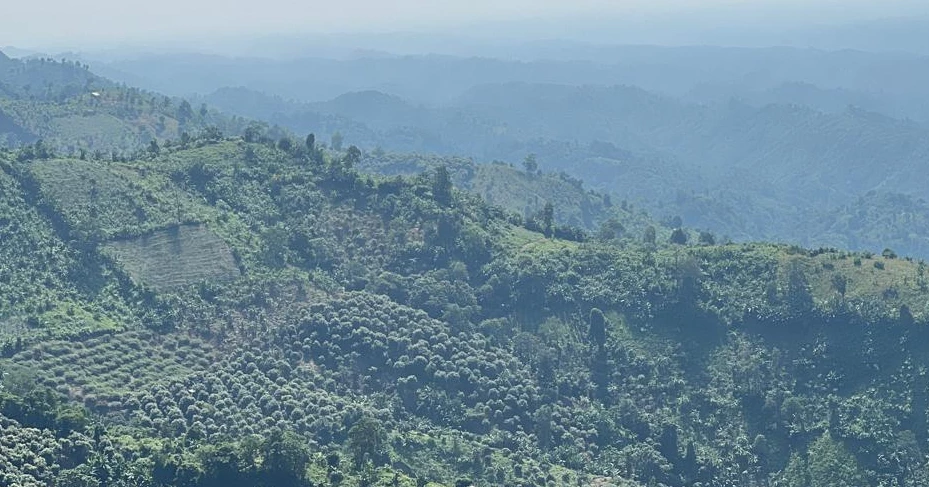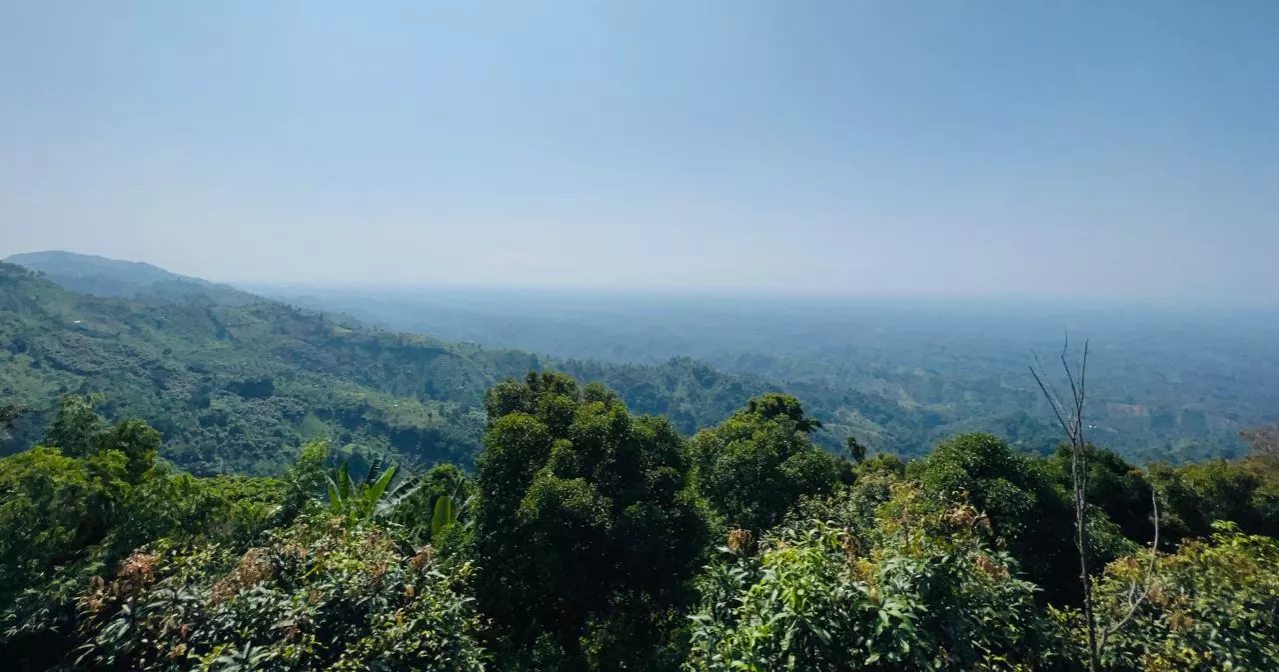
The lush green hills of the Chattogram Hill Tracts (CHT), known for their dense forests, flowing streams and rich biodiversity, are increasingly facing the harsh realities of climate change and environmental degradation.
Deforestation, drying water sources, soil erosion and deadly landslides have become recurring threats in three hill districts -Rangamati, Khagrachhari and Bandarban, prompting the government to roll out a series of initiatives aimed at restoring ecological balance and strengthening climate resilience.
According to the Ministry of Chittagong Hill Tracts Affairs, extensive afforestation programmes, watershed management activities and climate-resilient infrastructure projects have been taken to address mounting environmental vulnerabilities.
Officials say the initiatives are designed not only to restore degraded forests and protect hill slopes, but also to safeguard the livelihoods of indigenous communities whose lives remain closely tied to the fragile hill ecosystem.
Under the government’s Election Manifesto 2026, authorities have set targets to plant thousands of fruit-bearing, forest and medicinal saplings during the 2025-26 fiscal year.
The ministry said 80,000 saplings will be planted in Rangamati, 82,250 in Khagrachhari and another 100,000 in Bandarban as part of the afforestation drive.
Besides, the Chittagong Hill Tracts Development Board has launched a broader plantation programme under the Prime Minister’s “One Child, One Tree” pledge, which forms part of a nationwide initiative to plant 2.5 billion trees over five years.
Under the scheme, the board plans to plant 500,000 trees across 26 upazilas in the three hill districts over the next five years. Activities to plant 25,000 trees have already begun during the current fiscal year, according to official documents.
Authorities believe the plantation drives will help stabilise vulnerable hill slopes, restore degraded forest areas and reduce the growing risks posed by climate-induced disasters.