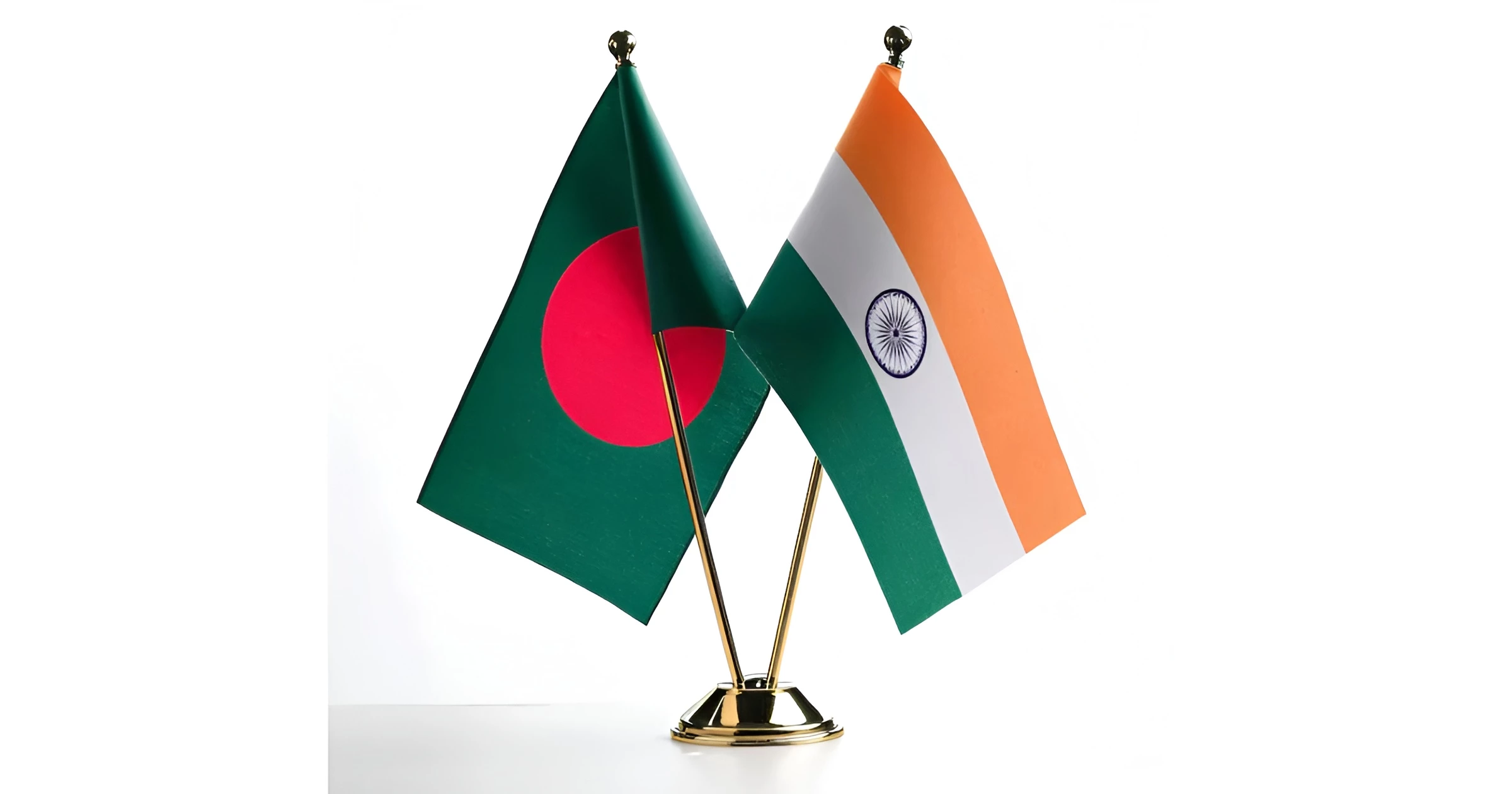
The Bangladesh-India Ganga/Ganges Water Treaty, which is expiring in December this year, needs to be ‘reviewed and reformed comprehensively’ before going for a renewed treaty by engaging economists, urban planners, sociologists and environmentalists in the planning, as Dhaka shares the ‘risk’ of not sharing it appropriately.
“MoFA (Ministry of Foreign Affairs) has to do a lot of homework and data sharing is key. We need to keep in mind that the situation in 1996 and 2026 is not the same. This can't be seen only from engineering or diplomatic prisms; they should include economists, urban planners, and sociologists in the planning,” international affairs expert Prof Shahab Enam Khan told UNB.
Bangladesh-India partnership set to boost medical tourism
What's at stake?
Officials in Dhaka said Bangladesh’s agriculture and food availability will be badly affected while climate vulnerability will increase substantially if the treaty is allowed to expire with no new sharing agreement in its place.
The Ganges Water Treaty was signed on December 12, 1996 for a period of 30 years, which make this the last year covered by it. Discussions over its possible revision and renewal are yet to commence between the two governments.
Bangladesh and India share 54 rivers including the Ganges, or Ganga.
To discuss all relevant issues that form part of this cooperation, the two countries have a bilateral mechanism in place, which is the Joint Rivers Commission.
Foreign Minister Dr Khalilur Rahman said that given the willingness and interest of both sides to reset the relationship, an arrangement for sharing the Ganges waters in an ‘equitable and climate-proof manner’ will be one of the first tests of the reset.
Indian Minister of State for External Affairs Kirti Vardhan Singh has already informed the Lok Sabha, lower house of the Indian parliament, that inputs on drinking water and industrial water requirements have also been received from all stakeholders including the government of West Bengal which have been taken into account while formulating the Indian government’s views.
An authorised representative from the government of West Bengal took part in inter-ministerial discussions held on the matter on October 30, 2023; March 15, 2024; May 31, 2024; and also on March 26, 2025, where a collective view was formulated on the part of the Indians, a diplomatic source told UNB, referring to the issue.
Despite the well-publicised strain in relations following the oustre of the Awami League government in August 2024, under the framework of the Joint Rivers Commission, technical-level meetings continue to be held between India and Bangladesh on all water-related issues of mutual interest, officials said.
Calls to revise and renew
“I think it is very important for Bangladesh and India to renew the Ganges Treaty. But it has to be revised. The very simple reason is that the treaty was done almost three decades ago,” said Prof Shahab, who is the Executive Director of Bangladesh Center for Indo-Pacific Affairs.
He isn’t the first to advocate for the Ganges Water Treaty to undergo “a climate makeover,” since the multifaceted issues arising out of climate change were now well-understood when the treaty was signed, and this reflects in the text of the agreement.
By now, the international relations expert said the science, technology, topography, and of course the climate issues have changed. “Therefore, it has to be reviewed on the basis of what is available at the moment in terms of science and technology.”
Prof Shahab strongly suggested that this should also come with arrangements such as revitalising the JRC and including a much more transparent and accountable data-sharing system, which will definitely build much more confidence over ‘hydro-diplomacy’ and water management and water sharing, most importantly, between the two countries.
“This is very important that we should also go into the diplomatic negotiations not only from the diplomatic perspective, but also from engineering, science, and definitely economic perspectives,” he said.
Because largely, Prof Shahab said, if they see it only from diplomacy or perhaps from engineering, this is not going to give them a holistic solution.
“That is the reason, I believe, that the Bangladesh government should do enough homework, in which they should include people from different walks of society - economists, affected people, and most importantly, social scientists,” he said, noting that environmentalists should be included too.
“The whole idea that they see water only from a water perspective, or perhaps a diplomatic or legal perspective, is an age-old and somewhat archaic understanding of water management,” said Prof. Shahab.
“If sense prevails among these two countries, they would definitely go for a comprehensive review, comprehensive reform, and then go for a treaty which makes much more sense in this particular millennium, when climate change and other effective issues are dictating the rules of engagement.”
Foreign Minister Dr Khalilur, while attending the ninth Indian Ocean Conference in Mauritius, said they would like to see that there is an arrangement and a new treaty, or a revised treaty, ensuring the essential needs of their people.
“These are common rivers, and we have common legacies here, common interests and, as I said, there's no other alternative but to seek a solution that is durable and will win public trust. And this will also be very important to lay the basis for the relationship over the next 25 to 50 years,” he told NDTV on the sidelines of the conference.
The Foreign Minister said they have done 55 years (of bilateral relations) already. “So, I don't think we should look at five years or ten years. We have to look at the very long term. So, mutual climate resilience as a priority in our foreign policies, our people policy, I should say, will actually be a key driver of the future.”