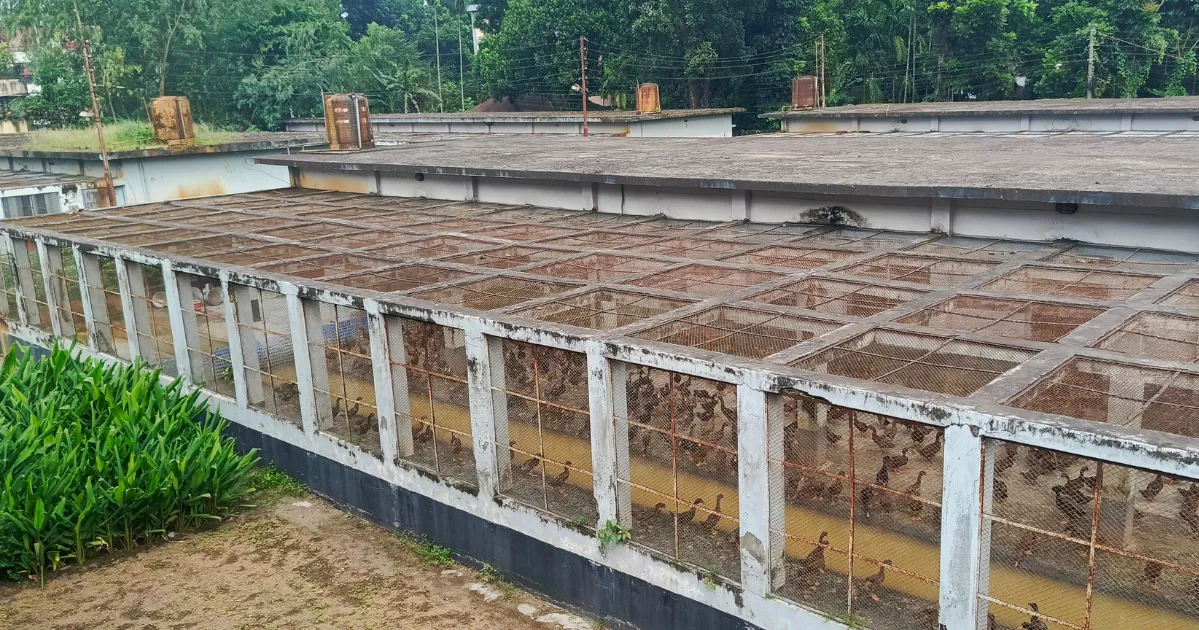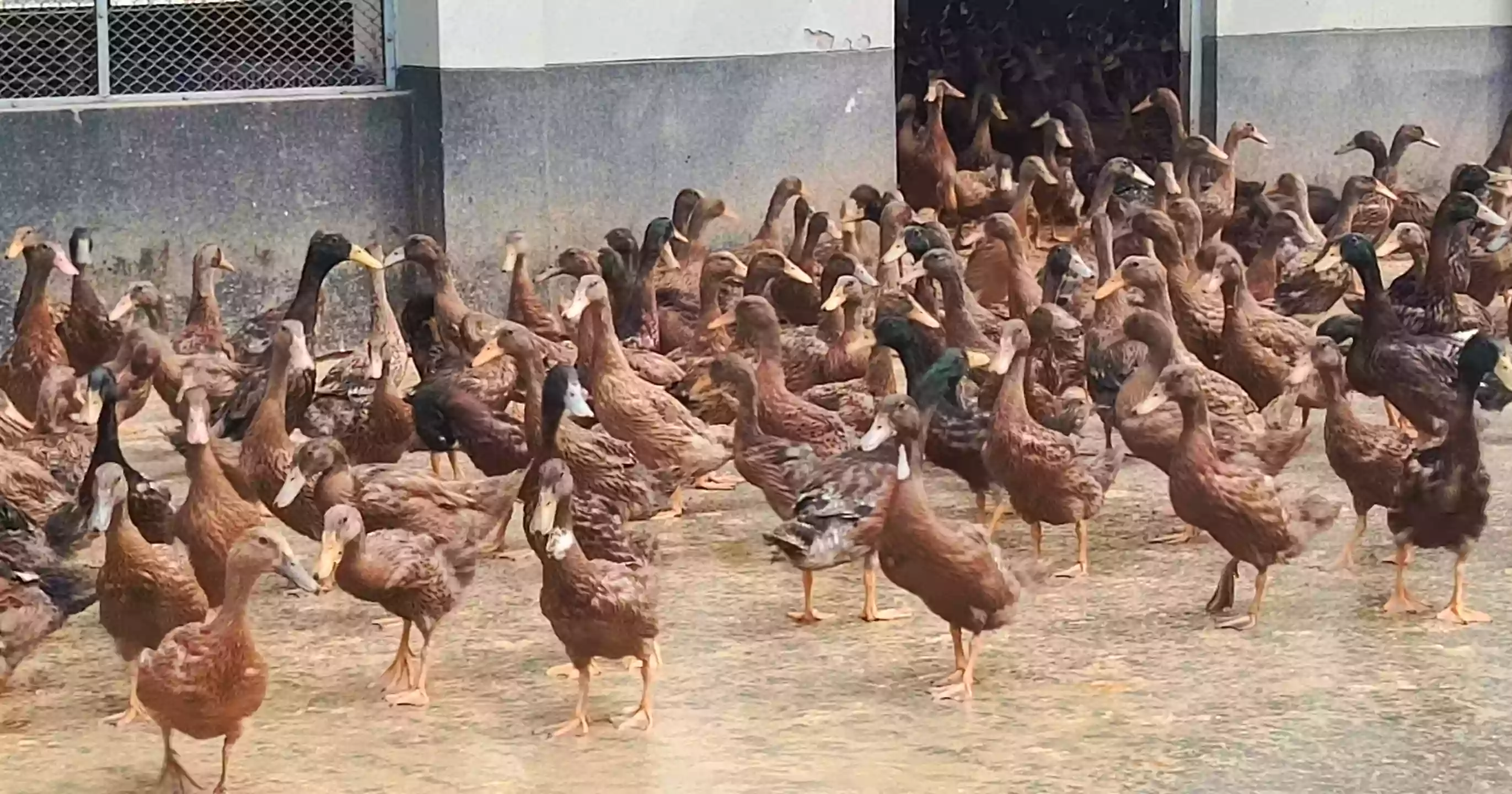
In the flood-prone northern district of Kurigram, duck farming has emerged as a lifeline for countless small-scale farmers striving for economic stability, but their aspirations are now under threat, as the district’s only government-run duck breeding farm fails to keep pace with an overwhelming surge in demand for ducklings and hatching eggs.
Established in 2016 on three acres of land, the farm was launched with the goal of combating poverty through the promotion of backyard duck farming.
It currently breeds improved, high-yielding duck varieties, including England’s Khaki Campbell and China’s Jingding, both known for laying 230 to 250 eggs annually -- more than double the output of native breeds.
But the actual demand has now soared past 200,000 despite having a production target of 50,000 ducklings per year, according to local farmers. This stark mismatch has sparked growing frustration among those depending on duck farming for their livelihood.
After six years of struggling to find a job, Zahid finds success in strawberry farming
“Native ducks lay only 80 to 100 eggs a year,” said Nur Islam, a farmer from Jatrapur.
“But the Khaki Campbell and Jingding breeds lay 230 to 250. Despite repeated visits, we are not getting ducklings or hatching eggs from the government farm,” Nur said.
Farmers face steep financial pressure as ducklings cost just Tk 25 at government facilities but Tk 80-100 in the open market, forcing many to buy at inflated prices and further straining their slim profit margins.
Zahid Hossain, a farmer from Mogolbasa, shared his struggle, saying, “I usually collect 250 to 300 ducklings from the farm each year. While rearing improved breeds is profitable, we are unable to expand production due to the supply shortfall.”
Adding to the farmers’ woes are allegations of favouritism. Some claim that the farm prioritises select clients, although officials have denied any preferential treatment.
‘Relay Farming’ brings new hope to farmers in Khulna
The government farm now maintains 800 layer ducks and 140 drakes. The facility consists of six layer sheds, one growing shed and one brooding shed, far from sufficient to meet the rising demands from Kurigram and neighbouring districts.