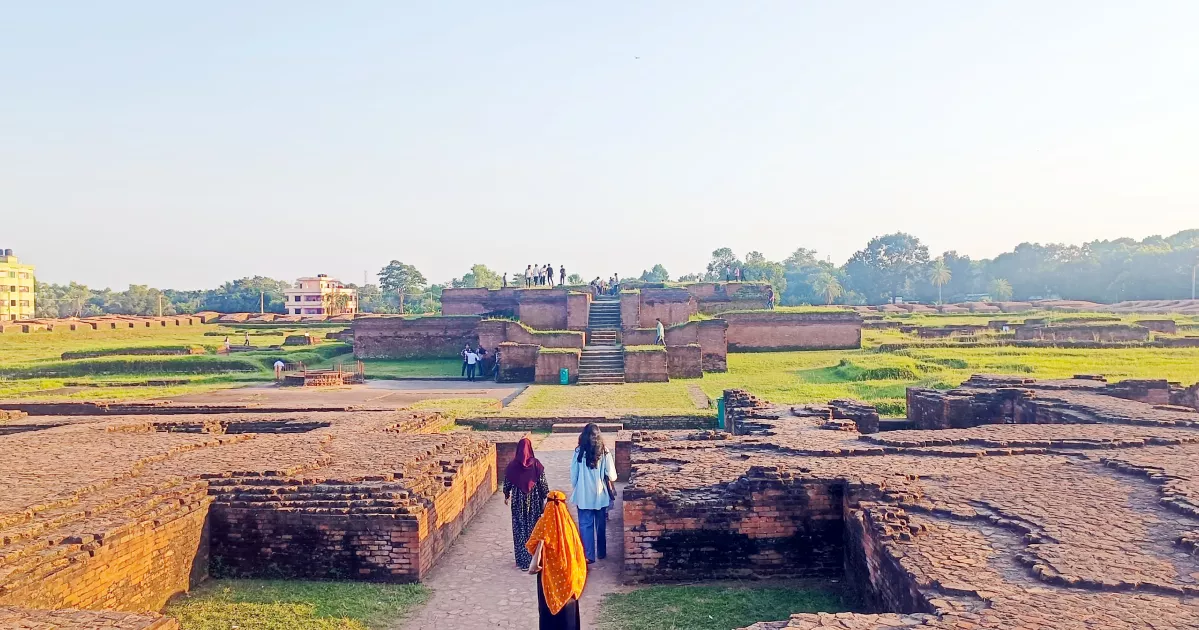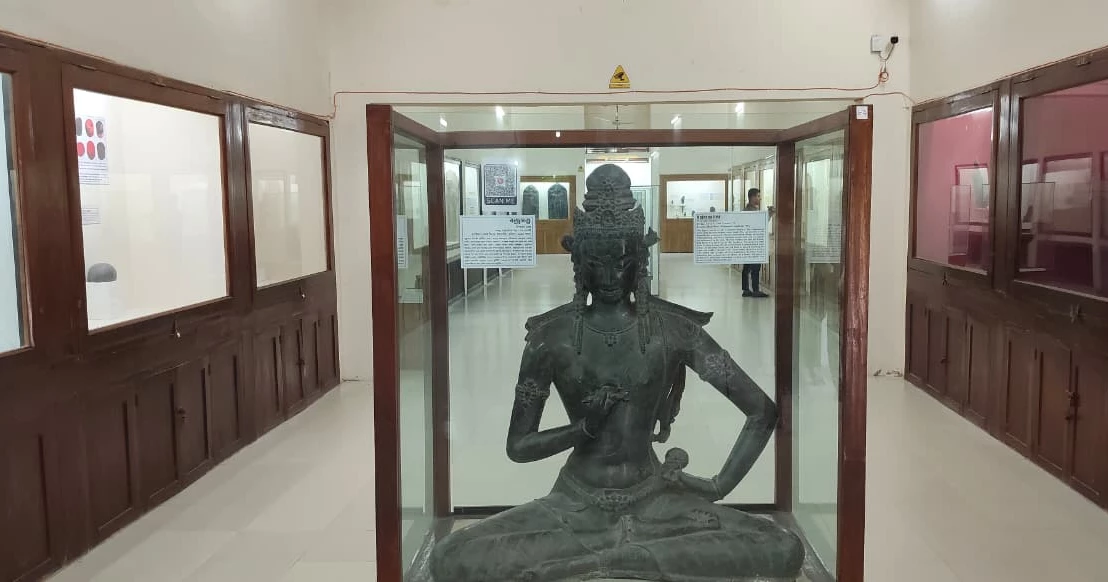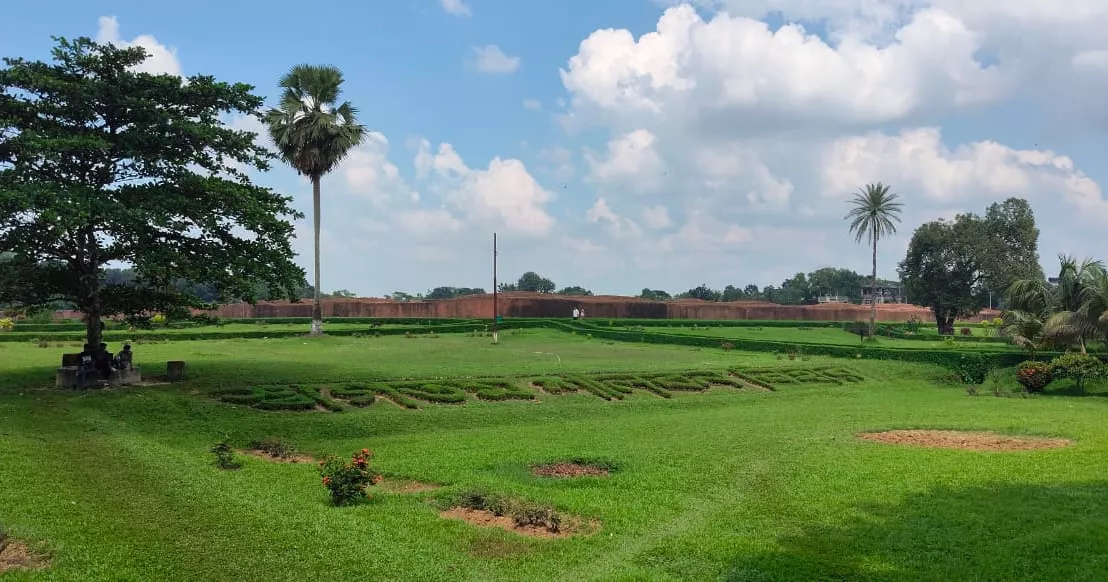
As winter gently settles across the country, the historic Shalban Bihar and the Mainamati Museum in Cumilla are becoming alive once again with colour, calm and charm, inviting tourists with their timeless wonders.
Under the Department of Archaeology of the Ministry of Cultural Affairs, the sites have been beautified with flower gardens, strengthened security systems and enhanced cleanliness measures.
Members of the Tourist Police and Ansar remain on duty day and night to ensure visitor safety.
Two ancient archaeological sites of Bangladesh sites—Shalban Buddhist Bihar and the Mainamati Museum stand against the green slopes of the Lalmai–Mainamati hill range, which is a living testimony of Bangladesh's ancient Buddhist civilization, architectural style and culture.
A Window into 7th–8th Century Buddhist Life
Shalban Bihar, located in Kotbari of Cumilla Sadar upazila, is believed to have been built between the late 7th and early 8th century by Shri Bhavadeva, the fourth ruler of the Deva dynasty. Spread across nearly 37 acres, the quadrangular Bihar measures 167.7 meters on each side, with outer walls almost five meters thick.
At its heart stands a central shrine, surrounded by 115 monastic cells where Buddhist monks once lived, studied and meditated. Each cell contains three niches designed to hold statues, oil lamps and religious objects.