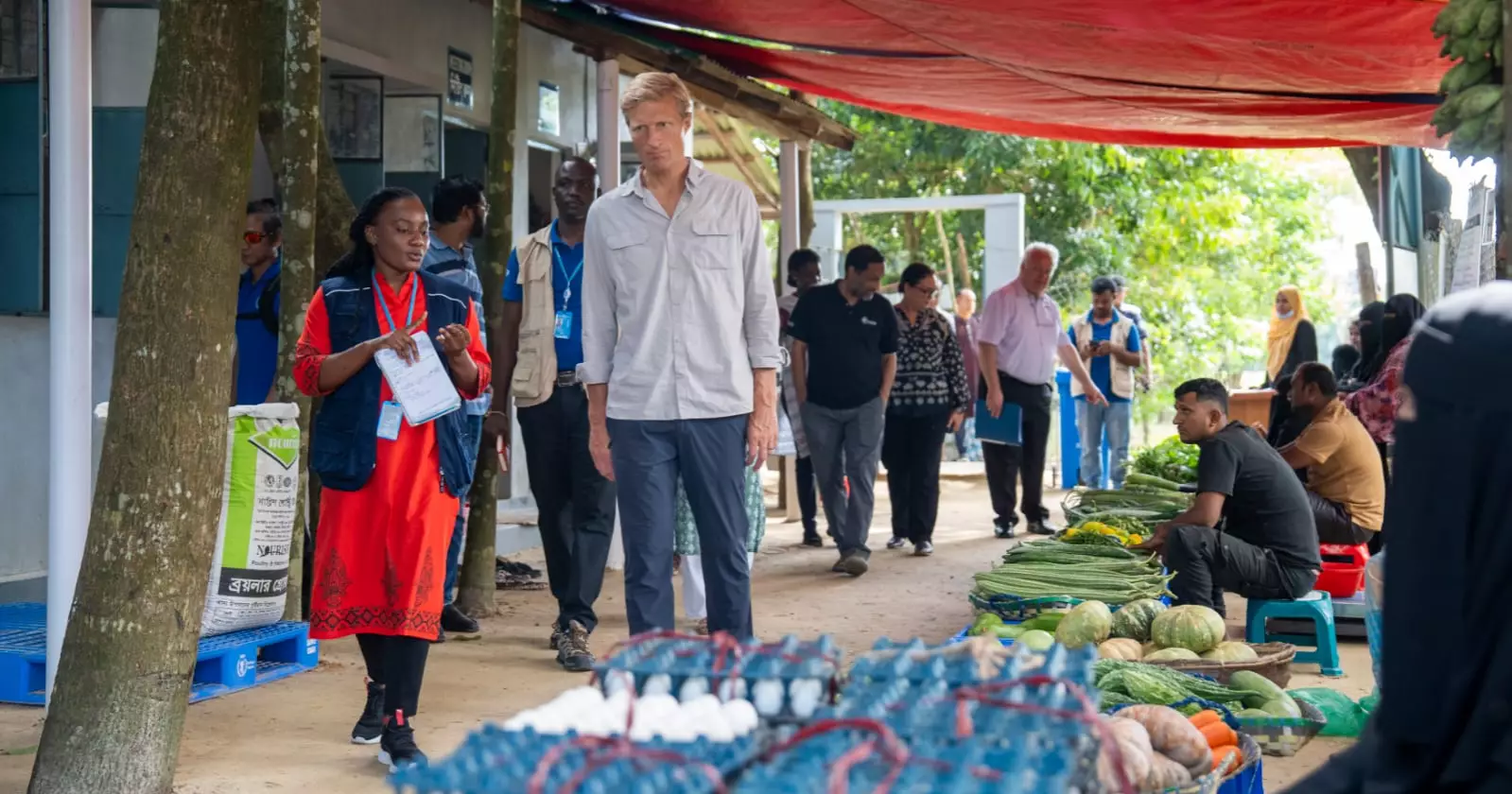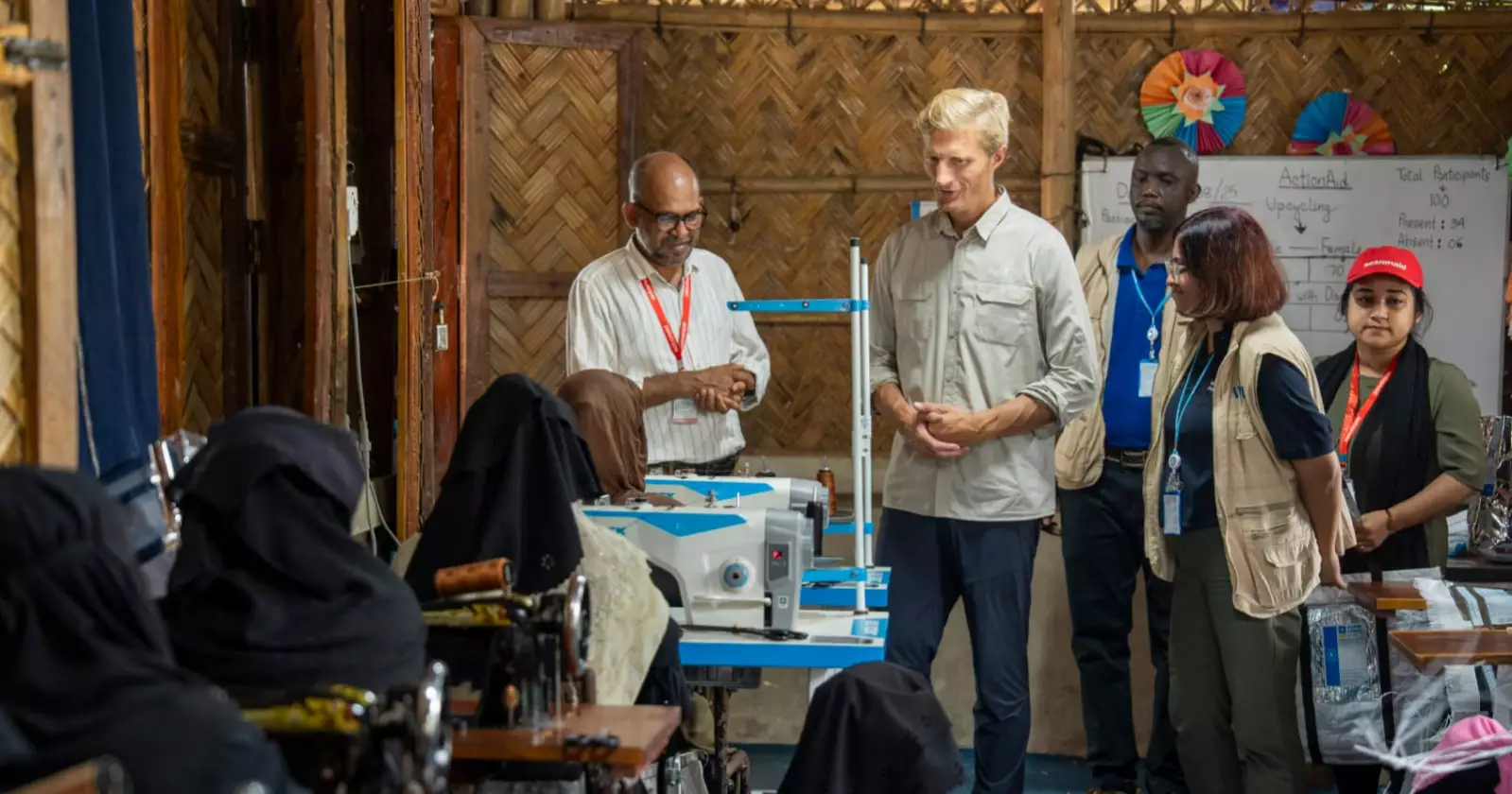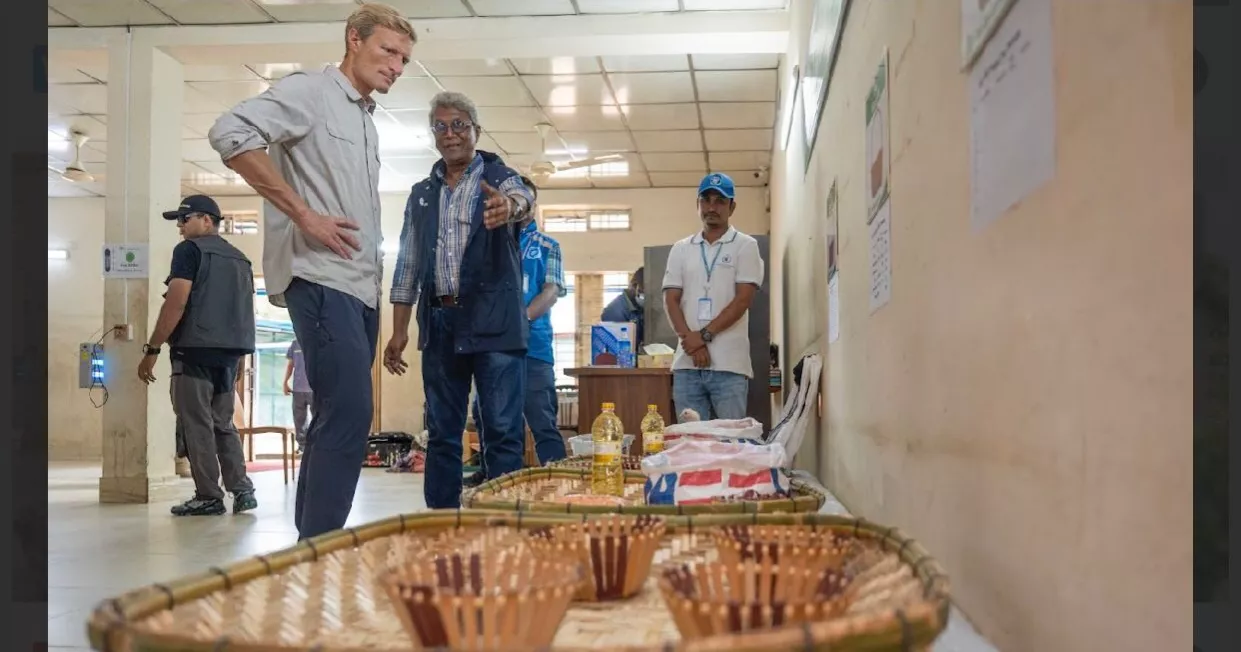
Deputy Executive Director (DED) and Chief Operating Officer (COO) of the World Food Programme (WFP) Carl Skau has said that they need to address the urgent situation facing the Rohingya but WFP’s funding will soon run out by the end of November.
“They (the Rohingya) have nowhere else to turn. They cannot work, they cannot integrate, and they certainly cannot return to Rakhine given the security situation there now – they are 100% dependent on the assistance we provide,” he told UNB in an interview during his recent visit to Bangladesh.
Rohingya crisis not a distant issue but ASEAN concern, says APHR
“And we know from experience that when we withdraw or shrink our assistance, people are forced to turn to negative coping mechanisms,” Skau warned.
Money is Running Out
He expressed their admiration for the generosity and the support the Bangladeshi people have shown, and the communities in Cox's Bazar who are really contributing to this response.
“We always invest in the host communities. The food we provide for the Rohingya is procured in Bangladesh, including Cox's Bazar, making sure there is a return for the Bangladeshi economy as part of our response,” Skau said.
“But our money is running out. We don't have the budget to continue our operation beyond the end of November,” he added.
That was one of the reasons he visited Bangladesh to meet with the government, partners, donors, and also with their teams on the ground, who he describes as “the lifeline”.
“We are providing food for the entire population of the camp – on a monthly basis. And obviously, if we stop that, it would not only have a very negative impact on the humanitarian situation – people will be hungry and they would suffer – but also all kinds of other negative implications, including people having to leave the camps to try to find resources elsewhere,” Skau said.
Diversifying Funding Base