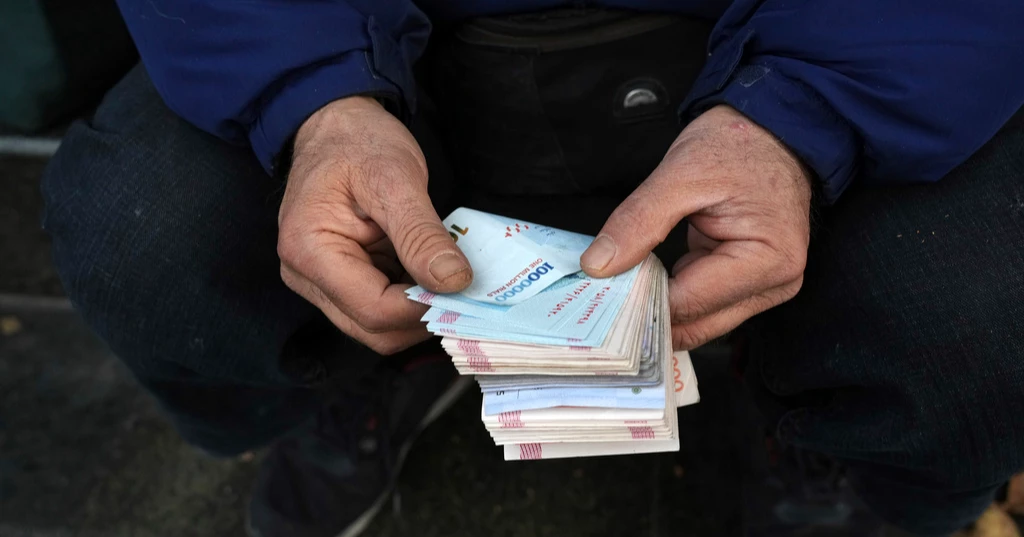
Iran’s rial plunged to a historic low against the U.S. dollar on Saturday, trading at over 1 million rials per dollar, as the country resumed work following an extended holiday. The rising tensions between Tehran and Washington are likely to drive the currency even lower.
During the Nowruz holidays, which marked the Persian New Year, the rial already crossed the 1 million mark due to informal street trading as official exchange shops remained shut. On Saturday, as trading resumed, the rial dropped further to 1,043,000 to the dollar, suggesting the new rate may persist.
Iran rejects direct talks with US amid ongoing tensions
On Ferdowsi Street in central Tehran — the hub of the country’s currency exchange market — some traders turned off their electronic rate boards, citing the unpredictable shifts in the market.
“We turn it off since we are not sure about the successive changes of the rate,” said Reza Sharifi, an exchange employee.
U.S. tensions deepen currency woes
Iran’s economy has suffered greatly under international sanctions, especially since U.S. President Donald Trump unilaterally exited the 2015 nuclear agreement in 2018. That deal had significantly curtailed Iran’s uranium enrichment in return for sanction relief, and the rial then stood at 32,000 to the dollar.
Trump, having begun a second term in January, has resumed his “maximum pressure” strategy, imposing fresh sanctions on Iran, particularly targeting oil exports — including discounted sales to China.
Trump has also reached out to Iran’s Supreme Leader Ayatollah Ali Khamenei, seeking to initiate direct talks. Tehran, however, has only expressed willingness for indirect negotiations — attempts that faltered during the Biden administration.
Meanwhile, Trump has escalated airstrikes against Iranian-aligned Houthi rebels in Yemen. The Houthis remain the last group in Iran’s so-called “Axis of Resistance” capable of attacking Israel, following devastating losses suffered by other Tehran-aligned factions in Israel’s ongoing war with Hamas in Gaza.
According to Tehran’s Donay-e-Eqtesad economic daily, analyst Mehdi Darabi said, “Foreign pressures in recent months have triggered expectations of reduced oil revenues and rising inflation, which have driven up demand for hard currencies.”
Economic turmoil and political heat at home
The economic instability has eroded personal savings, pushing ordinary Iranians to seek refuge in stable assets like U.S. dollars, gold, cars, or even cryptocurrencies and high-risk investment schemes.
Domestically, political tensions continue to simmer. The mandatory hijab law remains a flashpoint, with many women flouting the requirement in Tehran. There are also rumours that the government might hike the price of subsidized fuel — a move that previously led to mass protests.
The sliding rial has intensified pressure on Iran’s reformist president, Masoud Pezeshkian. In March, when the dollar traded at 930,000 rials, Iran’s parliament impeached Finance Minister Abdolnasser Hemmati, blaming him for the currency’s collapse and fiscal mismanagement.
Public outrage also compelled Pezeshkian to dismiss his vice president for parliamentary affairs, Shahram Dabiri, after state media revealed he took a luxury cruise to Antarctica. Though Dabiri reportedly funded the trip himself, his social media photos infuriated citizens struggling with economic hardship.
Iran has rejected direct negotiations with the US in response to Trump's letter
“In a situation where economic pressures are immense and poverty widespread, such expensive leisure trips by officials — even with personal funds — are indefensible and inappropriate,” Pezeshkian stated after dismissing Dabiri, who has yet to publicly respond.