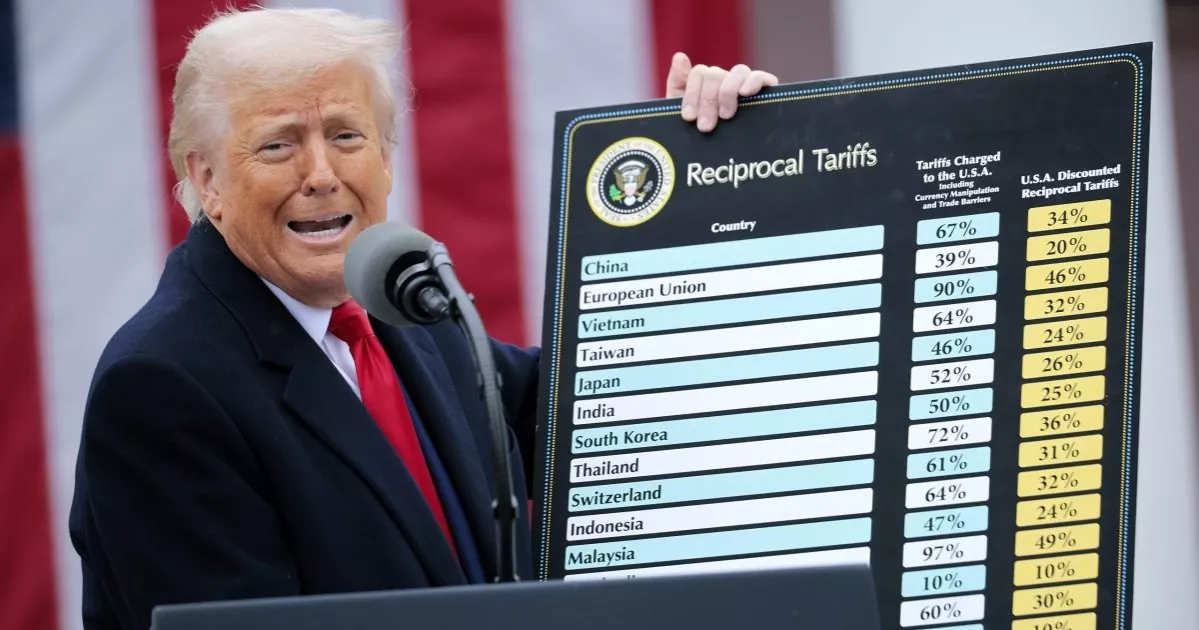
The U.S. Supreme Court on Friday struck down President Donald Trump’s sweeping global tariffs, delivering a significant setback to a central pillar of his economic agenda.
In a 6-3 ruling, the court said Trump’s use of an emergency powers law to impose wide-ranging import duties, including so-called “reciprocal” tariffs on nearly all countries, was unconstitutional because the authority to levy taxes rests with Congress, not the president. Chief Justice John Roberts wrote that the framers did not assign any part of the taxing power to the executive branch.
Justices Samuel Alito, Clarence Thomas and Brett Kavanaugh dissented, arguing the tariffs were legally permissible, though their policy merits could be debated.
Reacting to the decision, Trump called it “deeply disappointing” and criticised the justices who voted against the tariffs. The ruling marks the first major element of his broad economic agenda to be squarely rejected by the high court.
The court did not clarify whether businesses that paid billions of dollars in tariffs would receive refunds, noting the process could be complicated. Federal data show the Treasury collected over $133 billion from the import taxes by December, with long-term impacts projected to reach trillions.
However, the decision does not prevent the administration from pursuing tariffs under other statutory authorities, though those come with stricter limits.
Legal challengers, including small businesses and several states, hailed the verdict as a reaffirmation that Congress, not the president, controls taxation. Trade partners also sought clarity on Washington’s next steps following the ruling.