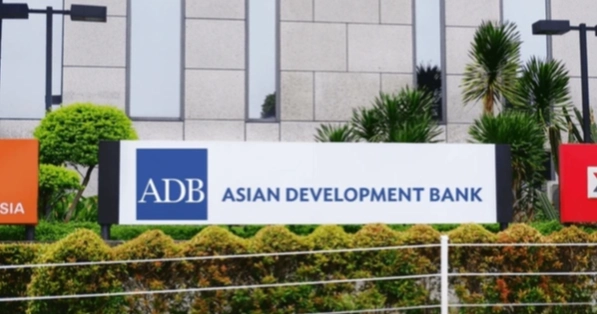
The Asian Development Bank (ADB) has approved a $115.8 million loan to enhance environmentally sustainable and resilient urban services in Narayanganj City Corporation (NCC) in Bangladesh.
The Narayanganj Green and Resilient Urban Development Project will upgrade drinking water supply, modernise drainage systems, and expand green public spaces, according to a release from the Bank.
It will also strengthen institutional capacity in NCC and among local communities.
The project is expected to benefit at least 400,000 residents, support the government’s efforts to ease congestion in Dhaka, and reinforce governance and service delivery in one of Bangladesh’s major urban growth centers.
The ADB release said that it project will significantly improve water supply efficiency and reliability by reducing nonrevenue water to below 20% through the replacement and expansion of 230 kilometers of pipeline network, installation of metered household connections, and adoption of district metered area systems.
The project will also introduce digital technologies, including supervisory control and data acquisition and strengthen online billing and revenue collection systems.
NCC’s water supply capacity is expected to increase from 113 million liters per day to 162 million liters per day through the installation of new tube wells, rehabilitation of the existing water treatment plant, and upgrades to existing wells.
To improve resilience to extreme weather events, reduce flooding, and enhance groundwater recharge, the project will raise the share of surface water across NCC to 51% and develop 22 kilometers of drainage infrastructure using nature-based solutions.
The project will also construct inclusive green parks and rehabilitate a playground to improve livability and reduce urban heat. NCC will be responsible for the long-term operation and maintenance of these facilities.
ADB Country Director for Bangladesh Hoe Yun Jeong said that Narayanganj is central to Bangladesh’s urban transformation. As urbanisation accelerates and environmental risks intensify, strengthening urban services is both a development and economic imperative.
“Investments in reliable water supply, resilient drainage, and inclusive green spaces—combined with stronger institutions—will enhance productivity, support economic growth, advance environmental sustainability, and contribute to long-term human capital development,” he said.