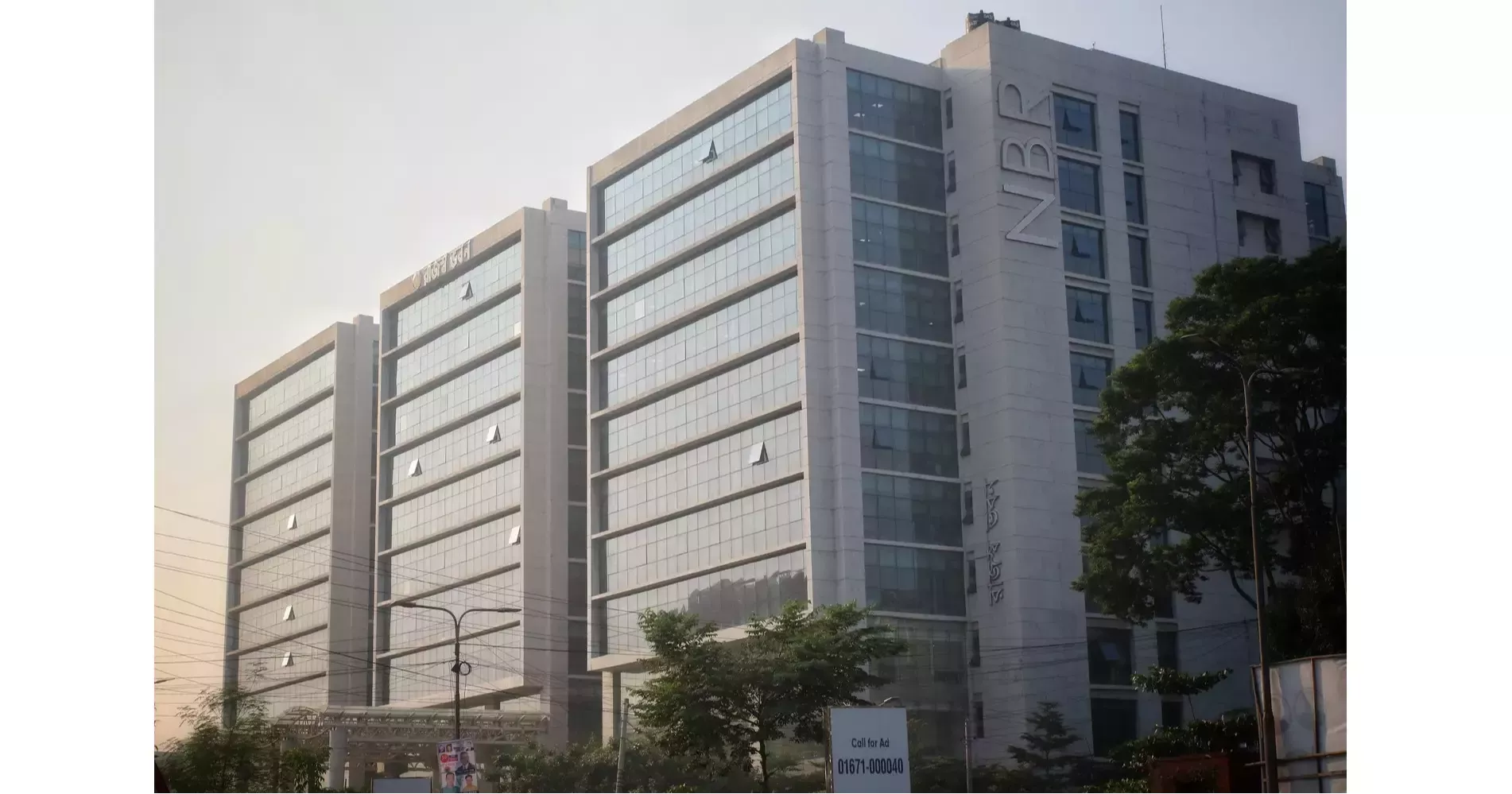
The National Board of Revenue (NBR) ended 2025 at the centre of Bangladesh’s growing fiscal challenge, struggling to raise higher revenue in a slowing economy while attempting long-promised reforms of a tax system criticised for inefficiency, discretion and a narrow base.
The year unfolded as a mix of reform initiatives, technology-driven upgrades and aggressive policy moves, alongside deep-rooted structural weaknesses and unprecedented institutional unrest within the revenue administration.
Together, these factors shaped a year of cautious transition, missed targets and unresolved debates over the future of tax reform.
At a broader level, NBR’s revenue performance reflected the country’s macroeconomic stress.
Sluggish imports caused by foreign exchange constraints, weak domestic demand and cautious private investment reduced traditional revenue flows.
Despite repeated assurances of improved efficiency, revenue collection fell short of targets for much of the year.
Bangladesh’s continued dependence on a small taxpayer base and import-stage taxes again proved risky. Customs duties and import-based VAT, long the strongest pillars of revenue, came under pressure as import controls were tightened to stabilise the balance of payments.
Revenue mobilisation faced further strain in the first five months of FY2025–26. Between July and November, NBR collected about Tk 1.49 lakh crore, posting nearly 15 percent year-on-year growth but missing the target by around Tk 24,000 crore.
Officials blamed weak import growth for the shortfall, which directly hit customs revenue.
Income tax collection recorded double-digit growth but still lagged behind expectations due to limited compliance, a narrow tax base and slower business activity. VAT performed relatively better, supported by price adjustments and enforcement efforts, but also failed to meet targets.
The shortfall comes as the government faces mounting pressure to finance rising expenditure, including debt servicing and social protection programmes, while cutting reliance on bank borrowing. Analysts warn that without faster progress on automation, administration reform and compliance, meeting the annual revenue target will remain difficult.
One area of progress was taxpayer registration. The number of Taxpayer Identification Number holders rose to more than 10.2 million, up from around nine million a few years ago. However, only about four million taxpayers submitted income tax returns, underscoring the challenge of turning registration into actual compliance.
VAT remained central to domestic revenue efforts. Although the NBR took steps to expand registration and promote electronic invoicing, progress was uneven.
About 644,000 businesses are registered for VAT, a small fraction of the total number of operating enterprises. Traders continue to cite complexity, compliance costs and discretionary enforcement as major obstacles.
Technology-based reforms became more visible during the year.
Expanded use of ASYCUDA World, automated customs bond management and new digital modules at land ports were rolled out. However, taxpayers frequently reported system disruptions and ongoing manual intervention, highlighting gaps between policy design and practical implementation.
Policy volatility also drew criticism. The NBR issued numerous exemptions and adjustments through statutory regulatory orders during the year, raising concerns about predictability, lobbying influence and unequal treatment across sectors.
The most defining episode of 2025 was the unprecedented agitation by NBR officials following the promulgation of the Revenue Policy and Revenue Management Ordinance, 2025.
Protests disrupted operations for nearly two months, slowed revenue collection and exposed internal tensions over reform ownership.
Although full-scale strikes were later withdrawn, unease within the organisation has yet to fully subside.
NBR enables election aspirants to file online tax returns
Adding to the pressure, the government raised the NBR’s revenue target for FY2025–26 to around Tk 5.54 lakh crore from Tk 4.99 lakh crore at mid-year, despite ongoing economic headwinds.
As 2025 ends, the NBR stands at a crossroads. While reform intent is evident and digital foundations are being laid, analysts argue that durable progress will require simpler laws, fewer exemptions, credible dispute resolution and a shift towards a partnership-based tax culture.
Whether reform ambitions can translate into lasting institutional change remains one of Bangladesh’s most critical fiscal questions heading into 2026